

An Escape to the 'Rooftop of the World'
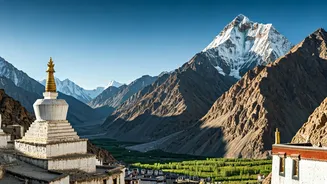
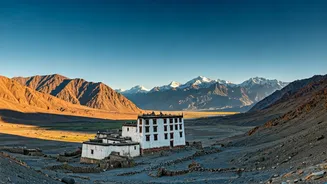
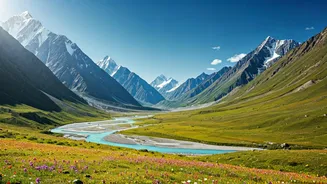
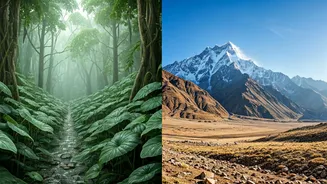
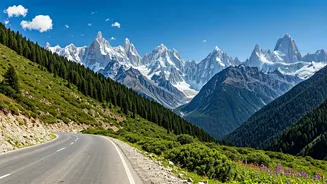
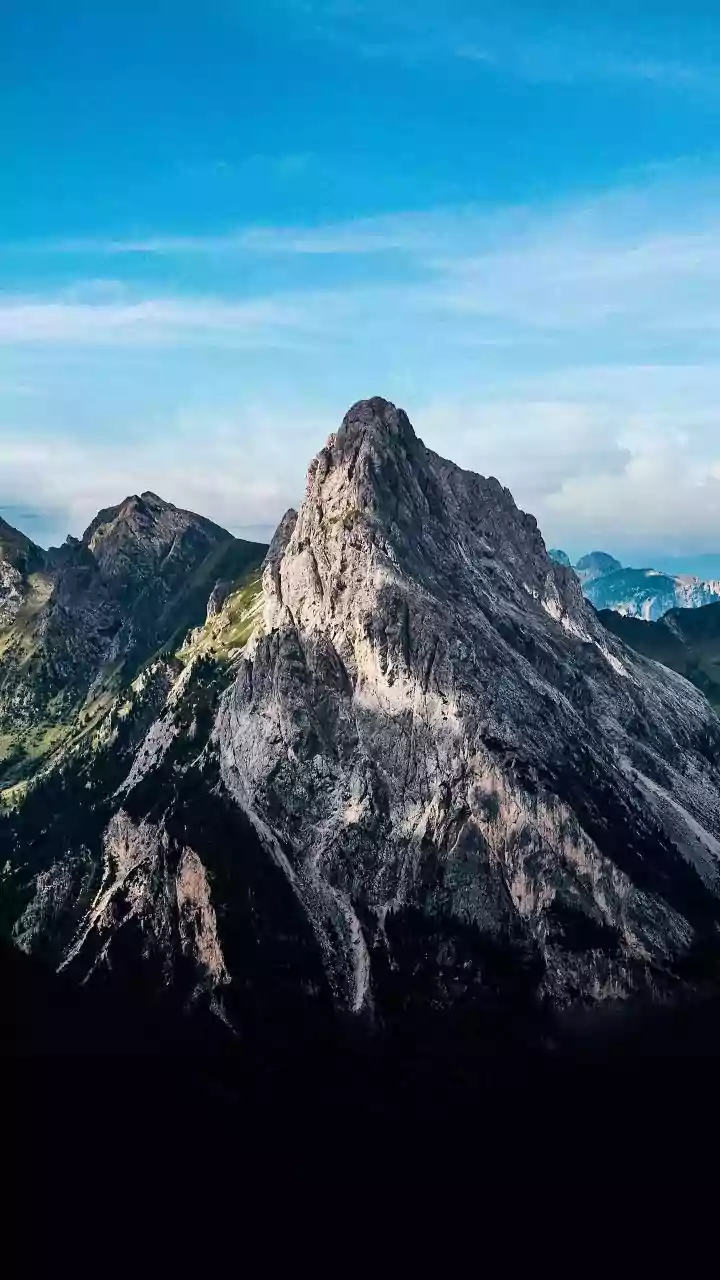
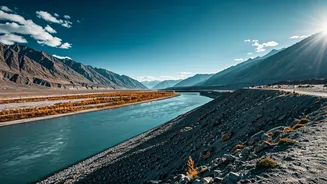
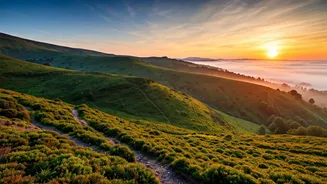
Tucked away in the Indian Himalayas, about 25 miles southeast of Leh, the region's main hub, Hemis isn't just a place; it's a state of mind. Reaching it requires a journey through a dramatic, almost lunar landscape of barren mountains and deep gorges
carved by the Indus River. At an elevation of roughly 12,000 feet, the air is thin, the light is sharp, and the silence is palpable. This isn't the chaotic, vibrant India of popular imagination. This is Ladakh, often called 'Little Tibet,' a region defined by its stark beauty and deep-rooted Buddhist culture. For travelers feeling burnt out by the relentless pace of modern tourism, Hemis offers an immediate and powerful antidote. The journey itself forces you to slow down, breathe deeper, and adjust to a world where nature, not humanity, sets the rhythm.
The Heart of Stillness: Hemis Monastery
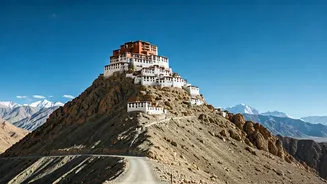
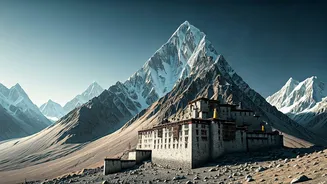
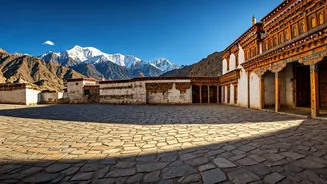
The centerpiece of this serene valley is the Hemis Monastery, a 17th-century institution belonging to the Drukpa Lineage of Tibetan Buddhism. Hidden from the main road, the monastery reveals itself almost suddenly, a splash of color and sacred geometry against the ochre-and-gray mountains. Unlike more exposed monasteries, its concealed location helped it avoid plunder and destruction over the centuries. Inside, courtyards open into prayer halls filled with the scent of juniper incense and melting yak butter lamps. Ancient murals, or thangkas, depict enlightened beings in vivid detail, and the low chanting of monks can sometimes be heard echoing through the halls. This is the source of the 'monastery vibe'—a living, breathing center of faith that has endured for centuries. Visitors are welcome to wander, observe, and simply sit, absorbing the profound sense of peace that permeates the stone walls.
How to Find the Silence
The promise of ditching tourist chaos is real here, but it requires some planning. Hemis is one of Ladakh's largest and wealthiest monasteries, so it's not exactly a secret. However, it rarely experiences the shoulder-to-shoulder crowds of a place like the Taj Mahal. The 'silence' is found in its scale and atmosphere. To maximize the tranquility, visit on a weekday morning outside of peak summer tourist season (July-August). The real key to solitude, however, is to avoid the annual Hemis Festival. If you visit on a regular day, you may find yourself sharing the vast complex with only a handful of other travelers and the resident monks. Take the time to explore the on-site museum, which houses a remarkable collection of artifacts, including a giant thangka that is only unfurled once every 12 years. The quiet moments are found not just in the absence of people, but in the space to contemplate the history and spirituality around you.
When Chaos Is Welcome: The Hemis Festival
For two days each summer, usually in June or July, the monastery's quiet courtyard explodes into a riot of sound and color for the Hemis Festival. This event, which commemorates the birth of Guru Padmasambhava, the founder of Tibetan Buddhism, is the polar opposite of a silent retreat. Monks don elaborate, sometimes fearsome masks and perform ritual dances (cham) to the thunderous sound of long horns, cymbals, and drums. It's a spectacular cultural immersion that draws visitors and locals from across Ladakh. While it's certainly not a 'silent' experience, it’s an authentic and mesmerizing one. If your goal is to witness a vibrant living tradition rather than seek personal solitude, planning your trip around the festival offers a different but equally rewarding reason to visit Hemis.
Practicalities of High-Altitude Travel
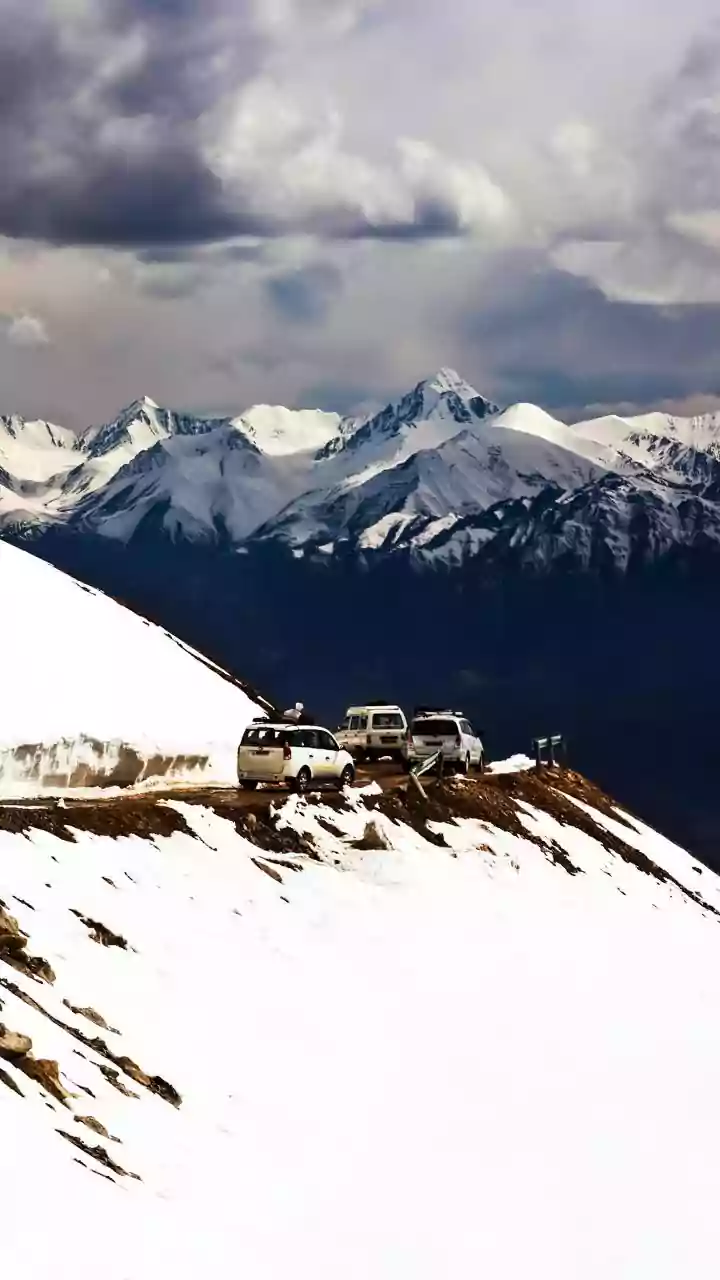
Getting to Hemis is straightforward: most visitors fly into Leh and hire a taxi for the scenic 90-minute drive. The most critical factor, however, is acclimatization. At 12,000 feet, altitude sickness is a serious risk. Plan to spend at least two to three days resting and acclimatizing in Leh (which is slightly lower, at 11,500 feet) before venturing to Hemis or other high-altitude sites. Drink plenty of water, avoid alcohol, and move slowly. The road to Hemis is paved and generally well-maintained, but the journey is part of the high-altitude adventure. There's a small entrance fee for the monastery and museum, and modest guesthouses are available nearby for those wishing to stay overnight, though most people visit as a day trip from Leh.