



A Legacy of Royal Patronage
To understand Lucknow's mango supremacy, you must first understand the Nawabs. These 18th and 19th-century rulers of the state of Awadh were legendary patrons of the arts, famed for their opulent lifestyles, exquisite cuisine, and refined cultural tastes.
While they commissioned grand architecture and poetry, they also poured their resources into horticulture. Mangoes weren't just farmed; they were cultivated with the precision of a jeweler cutting a diamond. The Nawabs sponsored competitions, encouraged experimentation with grafting, and guarded the secrets of their royal orchards. This wasn't merely agriculture—it was a pursuit of perfection, a quest to create the most fragrant, fiberless, and impossibly sweet fruit on Earth. This royal obsession laid the groundwork for a mango culture that remains unmatched.
The Dasheri: A King Born from One Tree
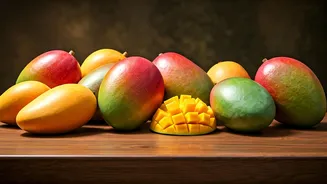
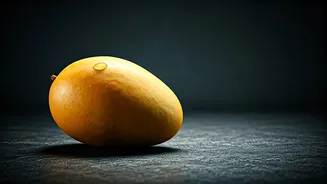
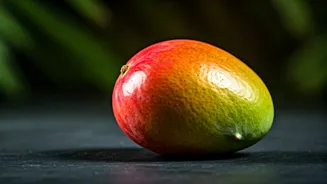
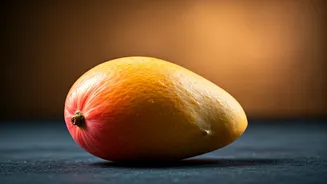
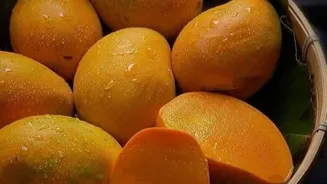
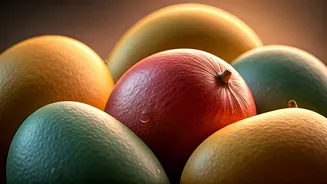
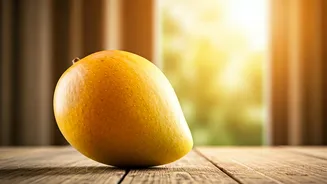
While many regions in India boast incredible mangoes, Lucknow's claim is cemented by one variety in particular: the Dasheri. This is not the round, reddish-green Tommy Atkins mango common in American supermarkets. The Dasheri is a slender, golden-yellow fruit with a heady aroma and a taste that blends bright sweetness with a complex, honeyed finish. Its flesh is completely fiberless, melting on the tongue like a sorbet. The story of its origin is local legend. All true Dasheri mangoes are said to descend from a single 200-year-old “mother tree” in the nearby village of Dasheri. The Nawabs were so protective of this new variety that, for years, guards were posted around the tree to prevent anyone from stealing a sapling. Today, the Dasheri is known as the "King of Mangoes" and is the pride of the region, its unique genetic heritage a direct link to this storied past.
A Garden of Diverse Delights
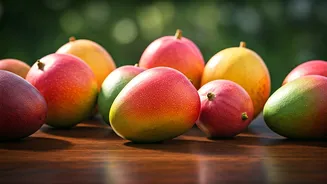
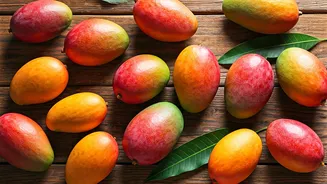
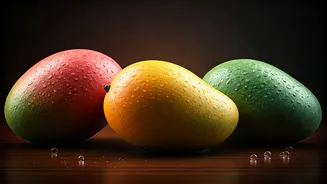
Lucknow's mango belt isn't a one-trick pony. The same soil and horticultural expertise that produced the Dasheri gave rise to a symphony of other varieties, each with its own distinct personality. The Chausa, which ripens late in the season, is famous for its almost-neon yellow pulp and intensely sweet, fragrant juice—it's a mango many prefer to suck directly from the skin rather than slice. Then there's the Lucknowa Safeda, a paler, milder variety prized for its subtle sweetness and firm texture, making it perfect for slicing. Other local gems, like the Langra, have their own devoted followers. This incredible diversity means the mango season in Lucknow is not a single event but a rolling festival of flavors that stretches from May to August, with each month bringing a new and exciting taste to the forefront.
More Than Just a Fruit
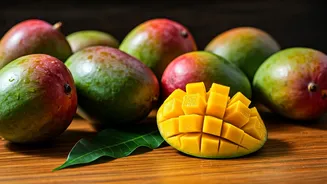
In Lucknow, the arrival of mango season transforms the city. It's a social ritual. Families host "mango parties," where guests gather to do nothing but eat basket after basket of chilled mangoes. The fruit is a ubiquitous gift, a gesture of goodwill and hospitality. Roadside stalls overflow with pyramids of golden fruit, and the air itself seems to carry a sweet, floral perfume. The annual Mango Festival showcases hundreds of varieties, drawing growers and connoisseurs from all over. This deep integration into daily life and social customs is what truly sets Lucknow's mango heritage apart. The fruit is not just a commodity; it's a shared experience, a seasonal joy, and a delicious symbol of the city's enduring connection to its refined, Nawabi past.