




The Legend of the 'Sea of Milk'
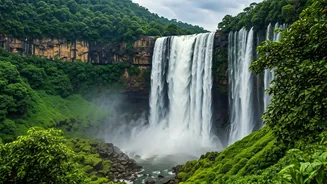
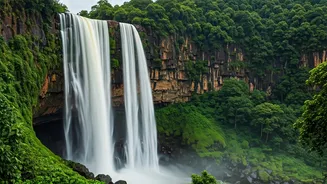
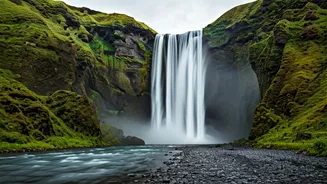
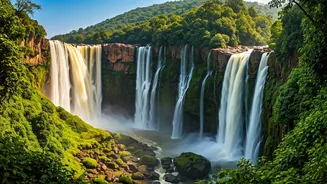
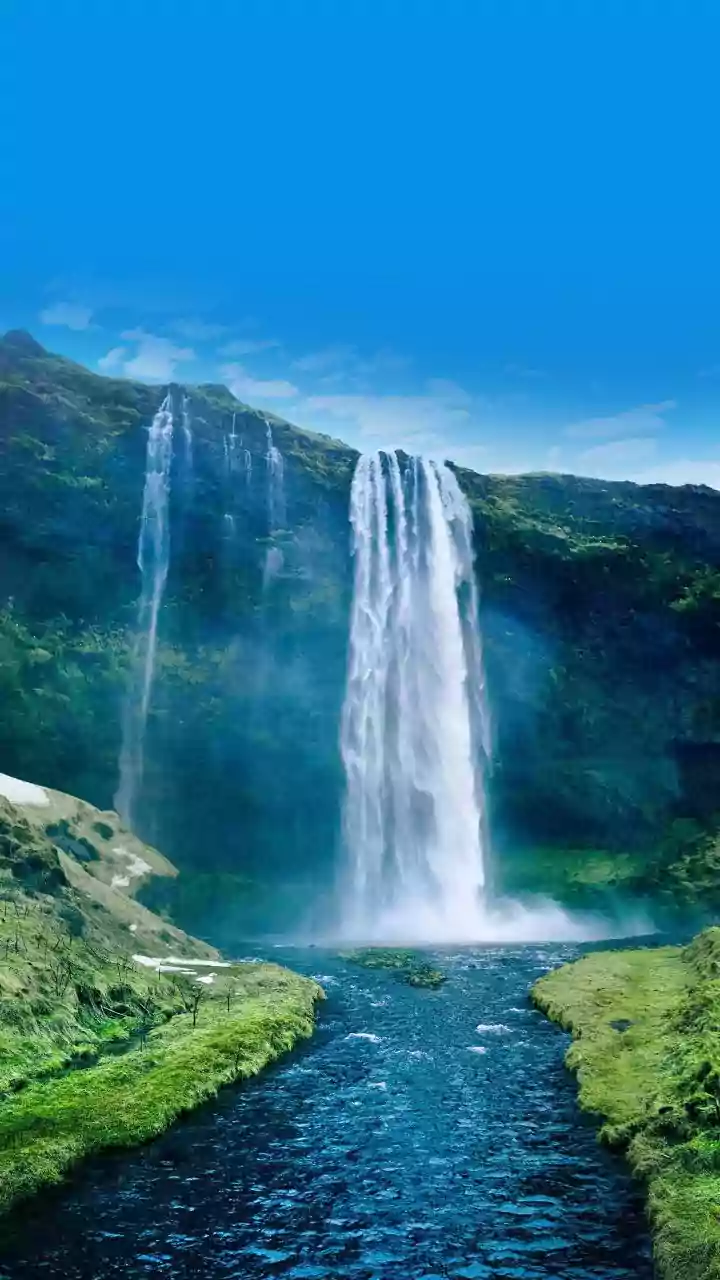
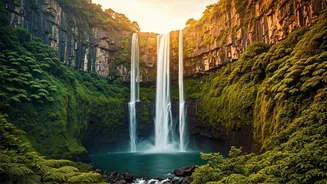
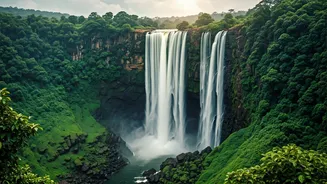
Tucked away in the Western Ghats, on the border of Goa and Karnataka in India, Dudhsagar Falls is one of the country's tallest and most spectacular natural wonders. Its name, which translates to “Sea of Milk,” isn't just poetic hyperbole. During most of the year,
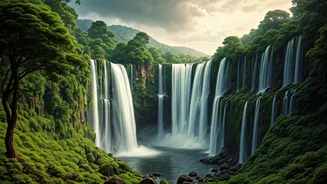
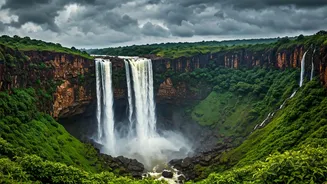
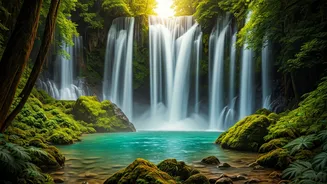
the Mandovi River cascades gracefully down a 1,017-foot rock face. But the name truly comes alive during the monsoon. The sheer volume of water transforms the tiered cascades into a single, roaring, and powerful torrent of white, foamy water that genuinely looks as if a giant celestial jug of milk is being poured down the mountainside. This breathtaking sight is what draws photographers, nature lovers, and awe-struck travelers from around the globe.
Why Late June Is The Magic Moment
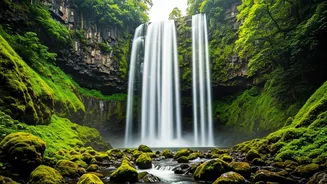
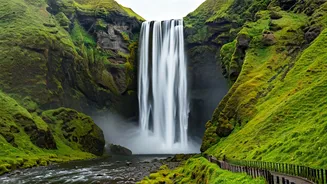
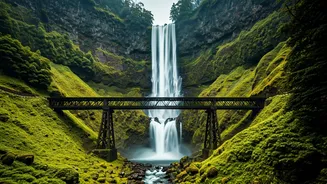
Timing is everything at Dudhsagar. Visit during the dry season, and you'll find a beautiful but much tamer waterfall, with distinct, rocky tiers visible between streams of water. It’s lovely, but it’s not the spectacle the falls are famous for. The magic begins with the arrival of the southwest monsoon, typically in early to mid-June. By late June, the rains have been steady enough to swell the Mandovi River to its peak. This is the moment of transformation. The falls don’t just get bigger; they change character entirely. The sound becomes a deafening roar that echoes through the valley, and a permanent cloud of mist billows from the base, cloaking the surrounding forest and the iconic railway bridge in a dreamlike haze. It’s a raw, elemental display of nature's power, turning a scenic spot into a truly humbling experience.
A Train Ride Through a Waterfall
One of the most iconic and sought-after views of Dudhsagar isn’t from a viewpoint on the ground, but from a train window. The railway line from Vasco da Gama in Goa to Londa in Karnataka snakes directly through the Bhagwan Mahaveer Sanctuary and Mollem National Park, crossing an arched bridge that bisects the falls. Passengers on this route are treated to an unparalleled, cinematic perspective. As the train slows to cross the bridge, you are suspended right in the middle of the action. On one side, the upper tiers of the falls thunder down; on the other, the water continues its plunge into the valley below. During the peak monsoon of late June and July, the spray is so intense that it drenches the entire train, making it feel less like you’re passing a waterfall and more like you’re traveling directly through it. It's a few fleeting moments of pure, unadulterated wonder.
The Adventurous Path to the Base
While the train offers a stunning panoramic view, getting to the base of the falls provides a completely different, ground-shaking perspective. The primary way to do this is via a jeep safari that navigates a bumpy, 4x4-only track through the dense forest and river crossings of Mollem National Park. This journey is an adventure in itself. However, travelers should be aware that this route is often closed during the heaviest periods of the monsoon for safety reasons. When the rivers are too swollen, the jeeps cannot pass. If you're lucky enough to visit when the route is open, the reward is immense: the chance to stand near the pool at the bottom of the falls and feel the incredible force and spray of the water. It’s essential to check with official local tour operators about accessibility before planning a trip, as conditions can change daily during this volatile season.