



So, What Is Kombucha, Anyway?
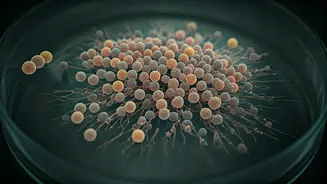
Before we get into the health claims, let's demystify what’s actually in the bottle. At its core, kombucha is simply fermented sweet tea. The magic happens thanks to a SCOBY, a rather strange-looking, rubbery disc that stands for 'Symbiotic Culture Of
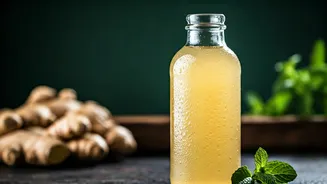
Bacteria and Yeast.' This culture is added to sweetened black or green tea and left to ferment for a week or more. During this time, the yeast eats most of the sugar, converting it into a tiny amount of alcohol and carbon dioxide (which makes it fizzy), while the bacteria produce organic acids. The result is a tangy, effervescent drink that’s been brewed for centuries but has only recently exploded into the American mainstream.
The Gut Health Connection
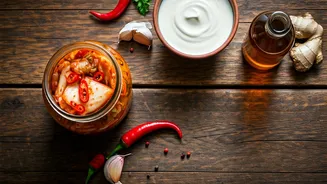
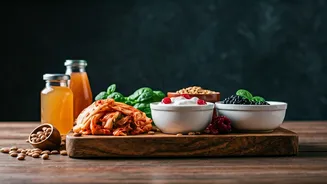
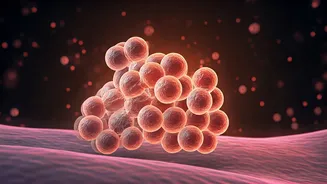
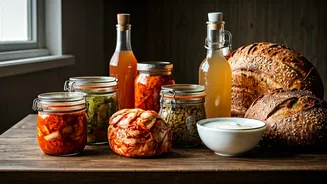
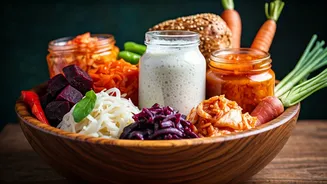
The headline promises “ultimate gut health,” but let’s unpack that. The excitement around kombucha centers on probiotics. The fermentation process creates a host of live bacteria that are considered beneficial for your gut microbiome—the vast community of microorganisms living in your digestive tract. A healthy, diverse microbiome is linked to better digestion, a stronger immune system, and even improved mood. Many studies on fermented foods in general suggest they can contribute positively to gut diversity. However, it's important to be realistic. Kombucha is not a magic bullet. The specific strains and quantities of probiotics can vary wildly from one batch to another, and the science on kombucha itself is still young. Think of it less as a cure-all and more as one potential tool, alongside a diet rich in fiber and other fermented foods like yogurt or kimchi, to support your digestive system.
Why 'Local' Is the Real Buzzword
Here’s where the “local” part of the trend becomes crucial. Many mass-produced kombuchas you find in major supermarket chains are pasteurized. This heat treatment stabilizes the product and extends its shelf life, but it also kills the very live and active cultures—the probiotics—that people are drinking it for. This is why the small-batch, local kombucha scene is thriving. These brewers often skip pasteurization, delivering a 'raw' or 'live' product. This means you're more likely to get a dose of those beneficial bacteria. Furthermore, local brands often experiment with inventive, seasonal flavors using real fruit and herbs, and they tend to be more transparent about their sugar content. The trade-off for this freshness is a shorter shelf life and the need for constant refrigeration.
How to Choose a Good Brew
Navigating the kombucha aisle can be overwhelming. To make sure you’re getting the good stuff, start by reading the label. First, look for phrases like 'raw,' 'unpasteurized,' or 'contains live and active cultures.' This is your best bet for getting a probiotic punch. Second, check the sugar content. Some brands load their drinks with sugar and fruit juice to mask the natural tang, which can counteract the health benefits. A good rule of thumb is to look for brands with under 8-10 grams of sugar per serving. Finally, check the ingredients list. It should be simple: water, tea, sugar (most of which is consumed during fermentation), and the culture. If you see a long list of artificial flavors, concentrates, or additives, it might be best to choose another option.