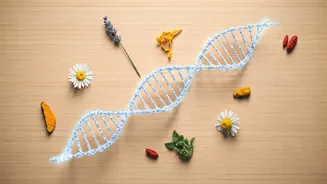




So, What Is Hormone-Aware Nutrition?
At its core, hormone-aware nutrition is an approach to eating that acknowledges the powerful role hormones play in everything from our energy and mood to our metabolism and menstrual cycles. Instead of a one-size-fits-all plan, it encourages understanding
how different foods affect your specific hormonal landscape. This isn't just about the menstrual cycle, though that’s a big part of it for many. It also involves managing hormones like insulin (which regulates blood sugar), cortisol (the stress hormone), and melatonin (which governs sleep). The goal is to use nutrition to support hormonal balance, rather than working against it. Think of it less as a restrictive diet and more as an intuitive framework for giving your body what it needs to function optimally at different times.
The Move Beyond 'One Size Fits All'
For decades, mainstream diet culture has sold a simple, often masculine-coded message: eat less, move more. But many people, especially women, have found that this advice falls short. A woman’s hormonal reality fluctuates daily, weekly, and over the course of her lifetime, from puberty through perimenopause and beyond. These fluctuations can impact appetite, energy, and how the body processes food. Hormone-aware nutrition is gaining traction because it validates this experience. It suggests that feeling sluggish, irritable, or unable to lose weight isn’t a personal failure, but might be a sign of hormonal imbalance that diet can influence. By focusing on stabilizing blood sugar, reducing inflammation, and supporting the body’s natural hormonal ebbs and flows, this approach offers a more personalized and sustainable path to well-being.
Putting It Into Practice
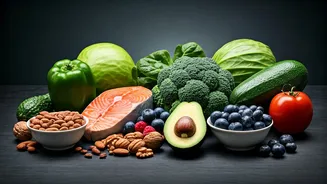
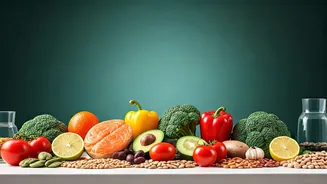
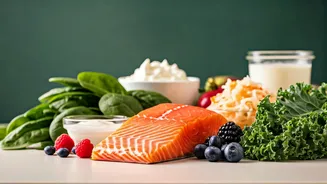
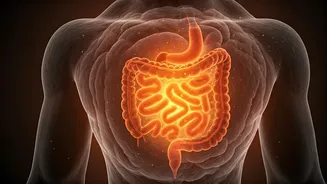
This isn’t about following a complex, color-coded chart of foods (unless you want to). The principles are surprisingly foundational. A key focus is blood sugar management. Spikes and crashes in blood sugar can disrupt insulin and cortisol levels, leading to energy dips and cravings. Hormone-aware eating prioritizes pairing carbohydrates with protein, fat, and fiber to slow down sugar absorption. Another well-known concept is "cycle syncing," where you tailor your food and exercise to the different phases of your menstrual cycle. For example, you might focus on iron-rich foods during menstruation and complex carbs for energy during the follicular phase. While rigorous scientific backing for specific food-to-phase pairings is still emerging, the broader concept of listening to your body’s changing needs is a powerful one. It also means prioritizing nutrient-dense foods that support the liver’s detoxification pathways and gut health, as both are crucial for processing and eliminating excess hormones.
Why Now? And Why 2026?
Several cultural and technological shifts are pushing hormone-aware nutrition into the spotlight. The rise of wearable tech (like continuous glucose monitors and cycle-tracking apps) provides real-time data that makes the invisible world of hormones more visible. People can now see directly how a meal affects their blood sugar or where they are in their cycle. Furthermore, conversations around women’s health, particularly perimenopause and menopause, are becoming less taboo. This has opened the door for more nuanced discussions about health that go beyond fertility. The prediction for 2026 isn't about a sudden explosion but the culmination of these trends. As a new wave of bio-literate consumers seeks control over their health, and the wellness industry pivots toward hyper-personalization, eating for your hormones is set to become a mainstream pillar of self-care.