


An Island Against the Current
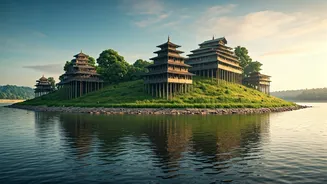
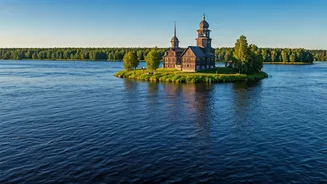
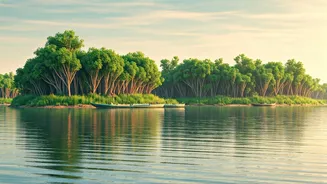
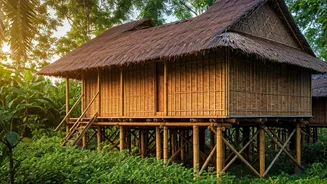
Deep in Northeast India, cradled by the mighty Brahmaputra River, lies Majuli. Often cited as the world’s largest river island, it’s a world apart—a lush landscape of rice paddies, wetlands, and villages built on stilts. But this idyll is fragile. For
over a century, the Brahmaputra’s powerful currents have been relentlessly eroding Majuli’s shores, causing the island to shrink dramatically. Scientists predict it could vanish within decades. This precarious existence is precisely what makes visiting so compelling. A trip here isn’t just a visit to a beautiful place; it’s bearing witness to a living, changing, and disappearing geography. Travelers are no longer seeking static monuments but dynamic stories, and Majuli’s struggle for survival is one of the most powerful on Earth.
The Ecology Trip, Redefined
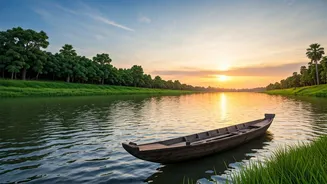
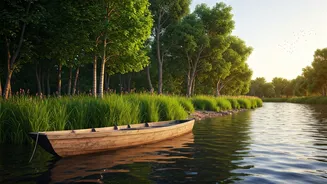
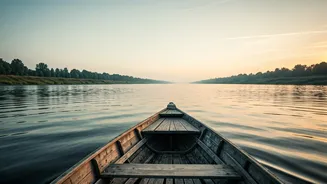
This isn't your typical river cruise with buffets and formal nights. An ecology trip to Majuli is an immersive, science-forward experience. Most journeys involve smaller, country-style boats that can navigate the shifting sandbars and shallow channels of the Brahmaputra. Onboard, you’re often accompanied not just by a tour guide, but by a naturalist or ecologist. The focus is on the river itself: its hydrology, its biodiversity, and its immense power. You learn to spot the rare Ganges river dolphin arcing through the water, identify migratory birds that flock to the island’s wetlands, and understand how the annual monsoon floods both sustain and threaten life here. It’s an active, educational adventure that transforms the river from a simple backdrop into the main character of the story, appealing to travelers who want to return home with more than just photos.
Culture Woven with Water
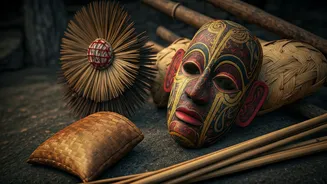
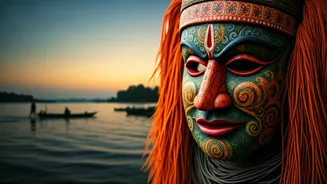
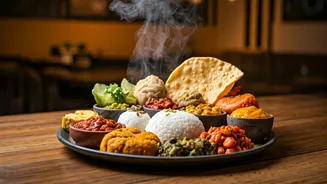
Majuli’s unique geography has cultivated an equally unique culture. For 500 years, the island has been the center of Assamese Neo-Vaishnavism, a monotheistic Hindu sect. Its monasteries, known as ‘satras’, are living institutions where monks practice traditional music, dance, and mask-making. An ecology-focused trip allows for respectful, meaningful engagement with these communities. Beyond the satras, visitors can connect with the Mishing people, an indigenous tribe whose entire way of life is adapted to the river. They live in stilted bamboo homes to accommodate the floods and are masters of weaving and boat-building. Unlike the fleeting encounters of mass tourism, these trips facilitate genuine connection—sharing a meal in a family home or learning about weaving from a local artisan. This cultural authenticity is a huge draw for those tired of transactional travel.
The Appeal of Conscious Travel
So, why is this trend taking off now? Majuli hits the sweet spot for the modern, post-pandemic traveler who is increasingly driven by purpose. After years of restrictions, people are seeking out transformative journeys, not just simple vacations. There’s a growing desire for trips that are sustainable, support local communities, and offer a deeper connection to the natural world. Majuli is remote and uncrowded, a world away from the over-touristed traps of the world. A trip here feels like a contribution—a way of acknowledging the island’s plight and supporting an economy built on preservation rather than exploitation. It’s the antithesis of the passive, consumptive holiday. It’s active, it’s mindful, and it leaves both the traveler and the destination better off.