



First, What Is Makhana?
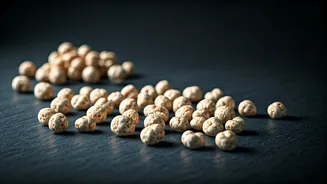
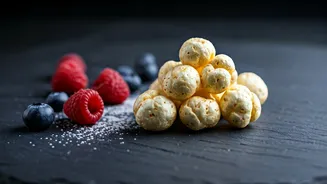
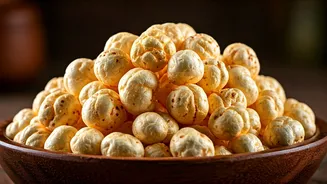
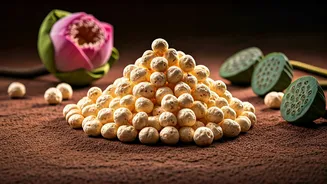
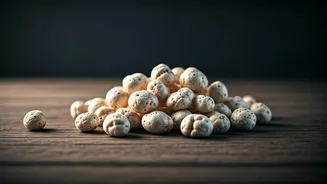
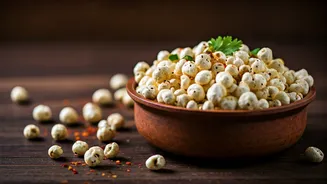
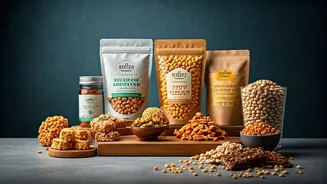
Before we get to the main event, let's meet the star ingredient: makhana. You may have seen them labeled as fox nuts or puffed lotus seeds in the snack aisle of specialty grocery stores. These white, airy orbs are harvested from the Euryale ferox plant,
an aquatic lily. Once harvested, the seeds are dried and roasted until they pop, much like popcorn, but without the annoying kernel that gets stuck in your teeth. On their own, makhana have a subtle, neutral flavor and a delightfully crisp, slightly chewy texture. This makes them a perfect blank canvas. For years, they’ve been a popular snack in India, often roasted with a bit of ghee and spices. But their true potential is unlocked when they become the foundation for something more complex.
The Magic Word: Chaat
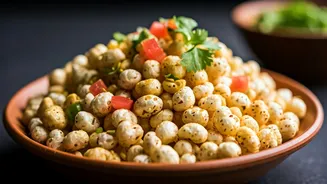
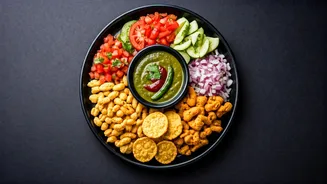
In Indian cuisine, “chaat” isn’t a single dish; it’s a whole universe of snacks defined by a brilliant culinary philosophy. The goal of chaat is to hit every single flavor and texture note in one bite: sweet, sour, salty, spicy, and crunchy. It’s a category of street food that’s messy, vibrant, and utterly addictive. Think of dishes like pani puri or bhel puri, where crispy shells or puffed rice are doused in tangy tamarind chutney, spicy green chutney, cooling yogurt, and a flurry of finely chopped onions, cilantro, and crispy chickpea noodles called sev. Makhana chaat simply applies this philosophy to a new base. Instead of potatoes or fried dough, it uses the light, crunchy makhana. This swap is where the magic happens, creating a snack that feels both indulgent and surprisingly light.
A Perfect Storm of Snackability
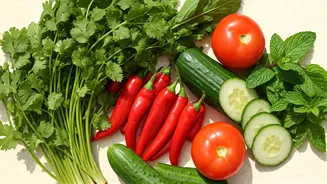
Imagine a bowl of popcorn, but supercharged. That’s the entry point for makhana chaat. The puffed seeds provide the foundational crunch, a satisfying sound and feeling that signals to your brain that a proper snack is underway. Then comes the layering. A drizzle of whisked, slightly sweetened yogurt cools things down. A spoonful of sweet-and-sour tamarind chutney adds a tangy depth, while a cilantro-mint chutney brings a fresh, spicy kick. Toppings are essential: finely diced red onion for a sharp bite, maybe some pomegranate seeds for a juicy burst of sweetness, and a generous shower of sev for that final, crispy flourish. Each spoonful is a different experience. One bite might be dominated by the cool yogurt and crunchy makhana, the next by a punch of spice and tang. It’s this dynamic, multi-layered experience that makes it so effective at crushing cravings. It engages all your senses, preventing the mindless munching that often comes with a boring, one-note snack.
A Healthier-ish Indulgence
Let’s be clear: this isn’t a bland plate of steamed vegetables. It’s a chaat, designed for pleasure. But compared to many go-to evening snacks, makhana chaat holds up surprisingly well. Makhana themselves are naturally gluten-free and contain protein and fiber. They are significantly lower in calories and fat than potato chips or other fried snacks. Because makhana are roasted, not fried, the dish avoids a lot of the heaviness associated with other street foods. While the chutneys contain sugar and the sev is fried, you control the amounts. It delivers the flavor fireworks and textural satisfaction of a truly indulgent snack without the accompanying guilt or greasy feeling. It’s the kind of snack that leaves you feeling satisfied, not stuffed—the perfect bridge to dinner.