




1. Bringing Nature In: The Biophilia Effect
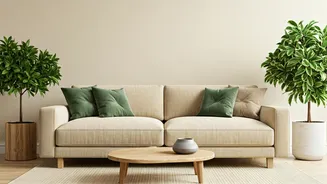
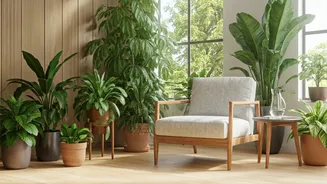
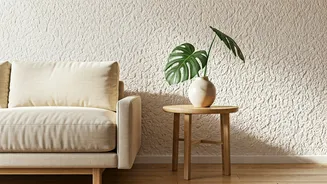
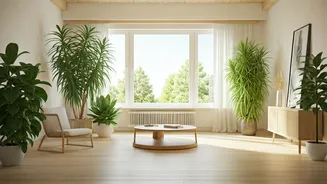
The most visible pillar of wellness design is biophilia—the idea that humans have an innate connection to nature. This isn't just about adding a fiddle-leaf fig to your living room corner. It’s a holistic approach that uses natural materials, patterns,
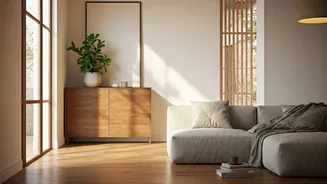
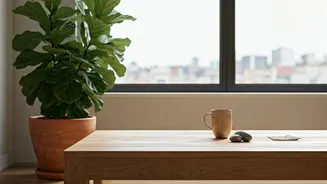
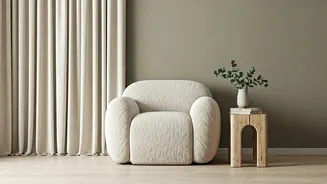
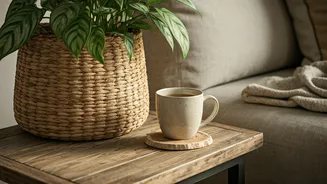
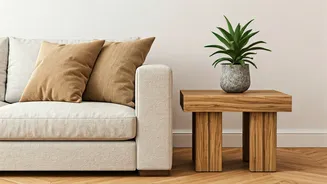
and light to reduce stress and improve cognitive function. Think unstained wood finishes that show their grain, stone countertops with natural textures, wool or linen textiles, and large windows that frame outdoor views. Studies have shown that even images of nature can lower blood pressure and heart rate. In practice, this means prioritizing a view, choosing materials that feel good to the touch, and yes, filling your space with thriving plants.
2. Lighting That Follows Your Rhythm
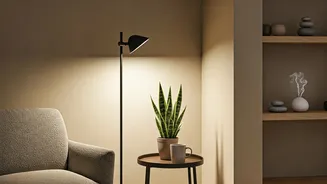
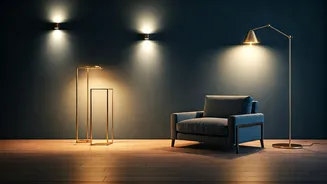
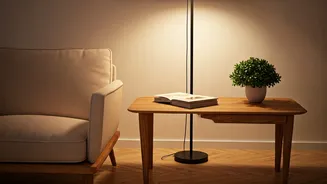
How often do you find yourself under harsh, blue-toned office lights late at night? Wellness-focused interiors aim to fix that by syncing a home's lighting with our natural circadian rhythms. This is the body’s internal 24-hour clock that regulates sleep-wake cycles. The goal is to have bright, cool-toned light during the day to promote alertness and productivity, which then shifts to a warmer, dimmer glow in the evening to signal to the brain that it’s time to wind down. This can be achieved with smart bulbs programmed to change color temperature throughout the day, or more simply by using dimmer switches and choosing lamps with warm-hued shades for evening use.
3. The Power of Clean Air and Materials
What you can’t see can have a huge impact on your health. Wellness design puts a major emphasis on indoor air quality and the use of non-toxic materials. Many common household items—from paint and furniture to cleaning supplies—can release volatile organic compounds (VOCs) into the air. The wellness-first approach favors low- or zero-VOC paints, furniture made from solid wood instead of particleboard with formaldehyde-based glues, and natural flooring like cork or hardwood. It also encourages the use of high-quality air purifiers and good ventilation to create a home that is literally a breath of fresh air.
4. Designing for Mental Clarity and Calm
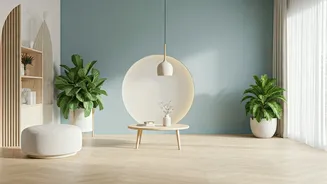
A cluttered space often leads to a cluttered mind. Beyond simple tidiness, wellness interiors are designed to reduce mental friction and create a sense of psychological comfort. This translates to thoughtfully designed storage solutions that keep everyday chaos out of sight, creating a clear and organized environment. It also involves creating designated zones within the home—a quiet corner for reading, a dedicated space for work that can be closed off, or an area for exercise. Color psychology plays a role, too, with designers favoring palettes of soft blues, greens, and earthy neutrals known for their calming effects.
5. Soundscaping Your Sanctuary
Acoustic comfort is the unsung hero of a peaceful home. Constant background noise from traffic, neighbors, or appliances can elevate stress levels without us even realizing it. Wellness design addresses this through 'soundscaping.' This can be as simple as adding soft furnishings like thick rugs, curtains, and upholstered furniture, which are excellent at absorbing ambient noise. On a larger scale, it might involve installing better-insulated windows or using materials like acoustic wall panels (which now come in stylish, design-forward options) to buffer sound between rooms. The goal isn’t total silence, but a controlled, peaceful auditory environment.