


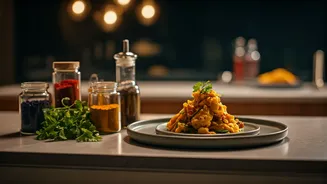

Breaking Up with the Buffet
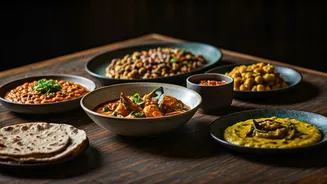
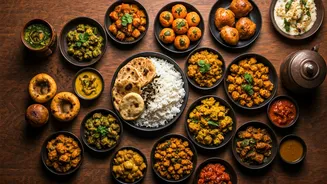
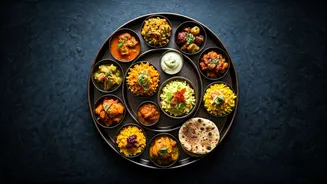
Let’s be honest: for many Americans, Indian food has long been synonymous with the all-you-can-eat lunch buffet or a familiar takeout menu featuring chicken tikka masala, saag paneer, and naan. These dishes are delicious mainstays for a reason. They are comforting,
flavorful, and offered a crucial foothold for Indian restaurateurs introducing a complex cuisine to a new audience. To succeed, they created standardized menus that were consistent year-round, relying on ingredients like chicken, chickpeas, potatoes, and onions that were always available. It was a brilliant strategy for building a culinary beachhead, but it inadvertently painted a picture of Indian food as static—a greatest-hits album played on repeat, regardless of the season.
The Seasonal Soul of Indian Cooking
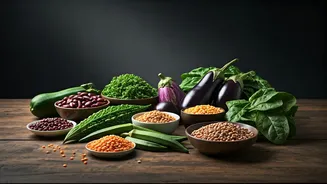
Here’s the delicious irony: back in India, cooking is hyper-seasonal and deeply regional. The idea of eating the same vegetables year-round is foreign in a country where the culinary calendar is dictated by monsoons and scorching summers. Winter in the north brings a bounty of leafy greens like mustard (sarson) and fenugreek (methi), which are transformed into hearty, warming dishes. Summer is the glorious reign of the mango, used in everything from tangy pickles and cooling lassis to sweet desserts. The arrival of the monsoon means fresh corn, earthy mushrooms, and a celebration of ingredients that thrive in the damp weather. This isn't a trendy farm-to-table philosophy; it's just how people have cooked for centuries. It's a practical, sustainable, and flavor-driven approach rooted in making the most of what the land provides, when it provides it.
The New Guard: Farmers' Market Meets Masala
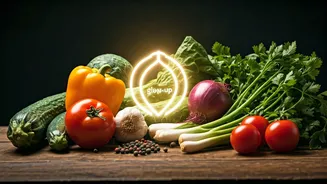
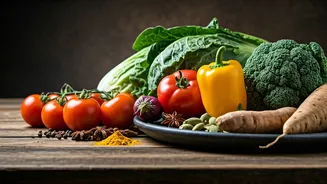
This original spirit is finally being embraced by a new generation of Indian chefs in the United States. They’re looking past the frozen spinach and canned tomatoes and heading straight to the local farmers' market. At acclaimed restaurants from New York to Asheville, you’ll find menus that change with the weather. You might see spring’s delicate asparagus spears stir-fried with mustard seeds and coconut, or ramps (a distinctly American wild onion) adding a garlicky punch to a traditional dal. Summer might bring a corn chaat that bursts with sweetness or a tomato curry so vibrant it makes the winter version seem like a distant memory. Chefs like Chintan Pandya of New York's Dhamaka and Meherwan Irani of Chai Pani have built their reputations on celebrating this very idea—not by importing Indian vegetables, but by applying Indian techniques and flavor principles to the best American produce available right now.
What 'Smarter' Really Means
So, what makes this approach “smarter”? It’s not about intellectual superiority; it’s about a more conscious, connected, and ultimately more delicious way of eating. First, it’s smarter for your palate. An heirloom tomato in August simply has more flavor than a watery, off-season one in February. When ingredients are at their peak, they require less manipulation to shine, allowing the intricate spices of Indian cooking to complement rather than mask. Second, it’s smarter for the planet. Eating locally and seasonally reduces food miles and supports local agricultural economies. Finally, it’s smarter for the cuisine itself. It allows Indian food to evolve and breathe, to have a conversation with its new home. It proves the cuisine is not a fixed museum piece but a living tradition that can adapt and innovate, creating dishes that feel both authentically Indian and completely of their place and time in America.