


First, A Sense of Place
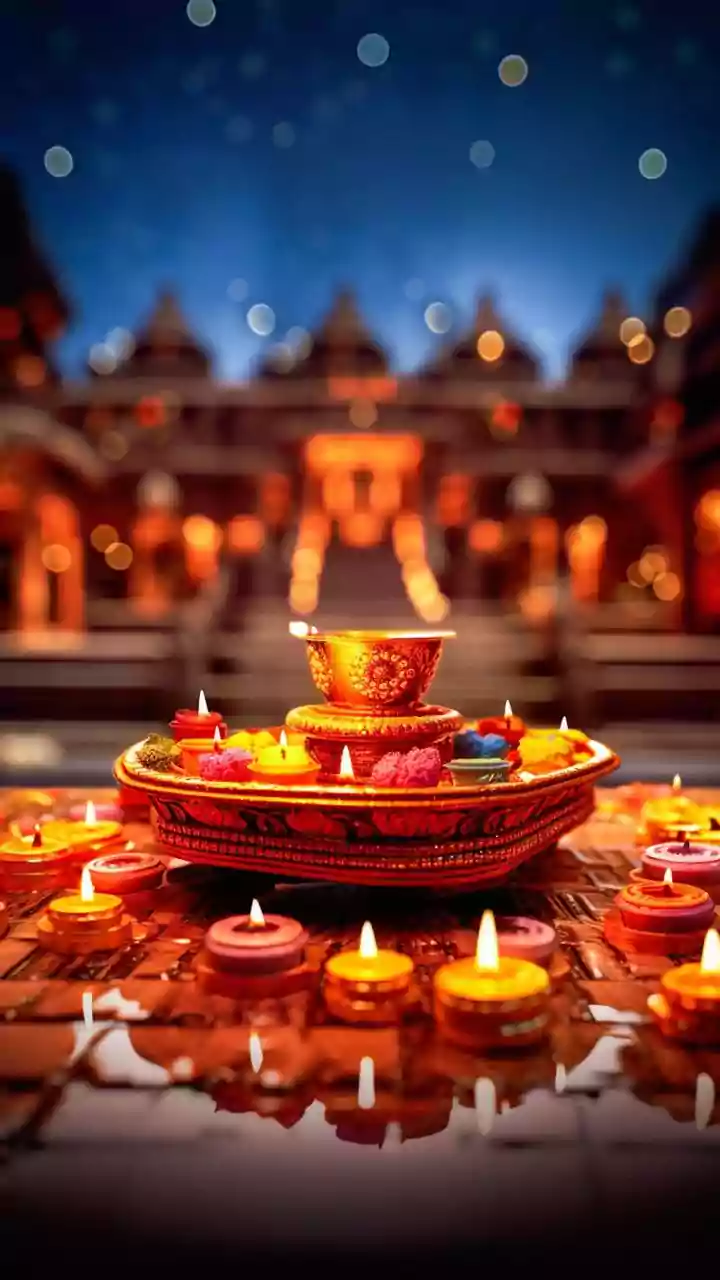
Before we talk food, let’s set the scene. The Ambubachi Mela, held annually at the Kamakhya Temple in Guwahati, Assam, is one of the most important pilgrimages in Hinduism. It draws hundreds of thousands of devotees, mystics, and holy men (sadhus) from
across India and beyond. The festival celebrates the earth's fertility, centered on the belief that the temple's presiding goddess experiences her annual menstruation during this time. The result is an atmosphere crackling with energy—a blend of solemn ritual, booming chants, and the joyful chaos of a massive fair. And in the middle of it all, fueling the masses, is a food scene that is less about gourmet dining and more about profound community and tradition.
The Soul of the Mela: Khichdi
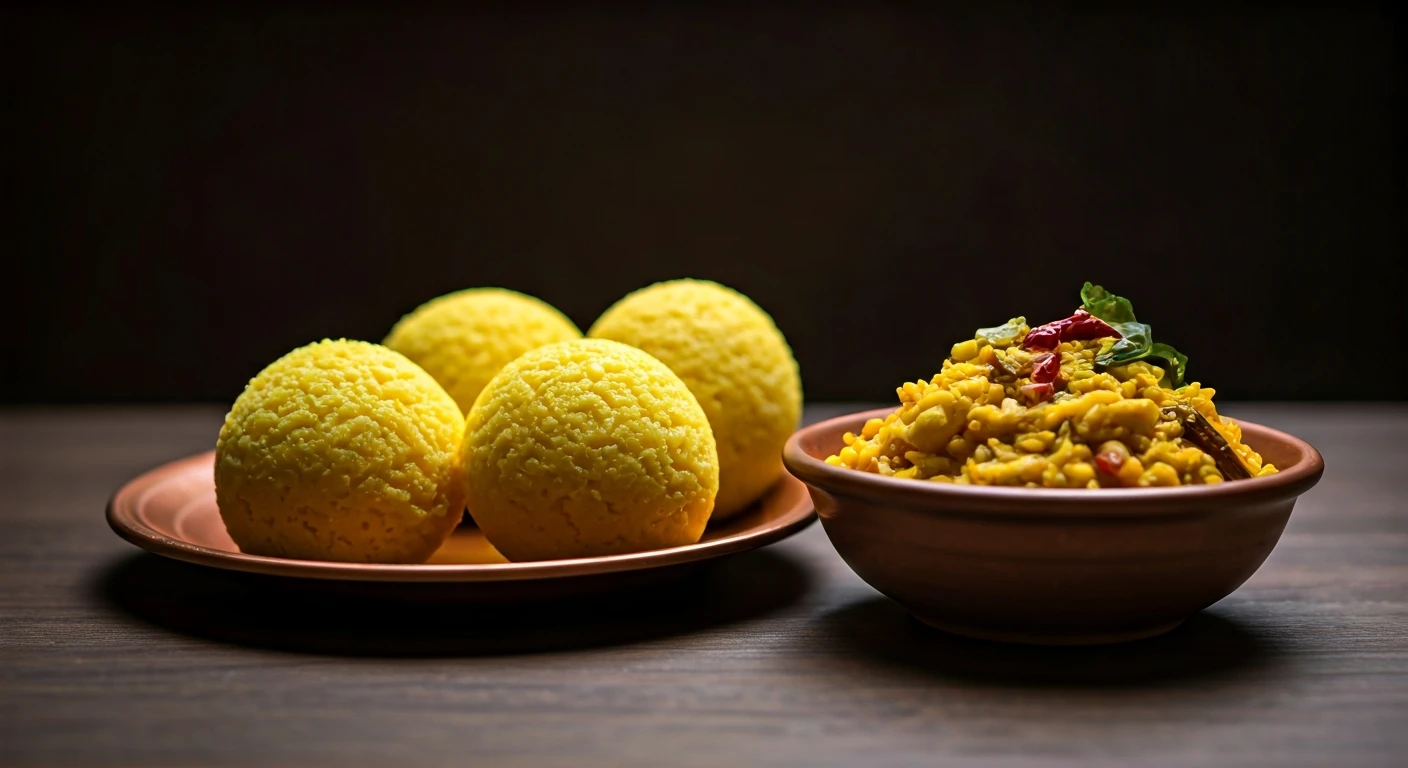
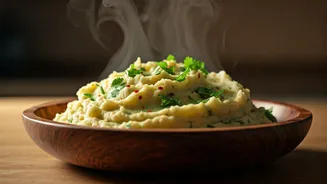
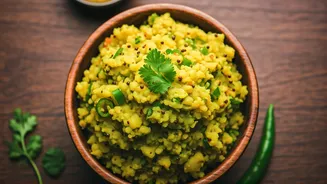
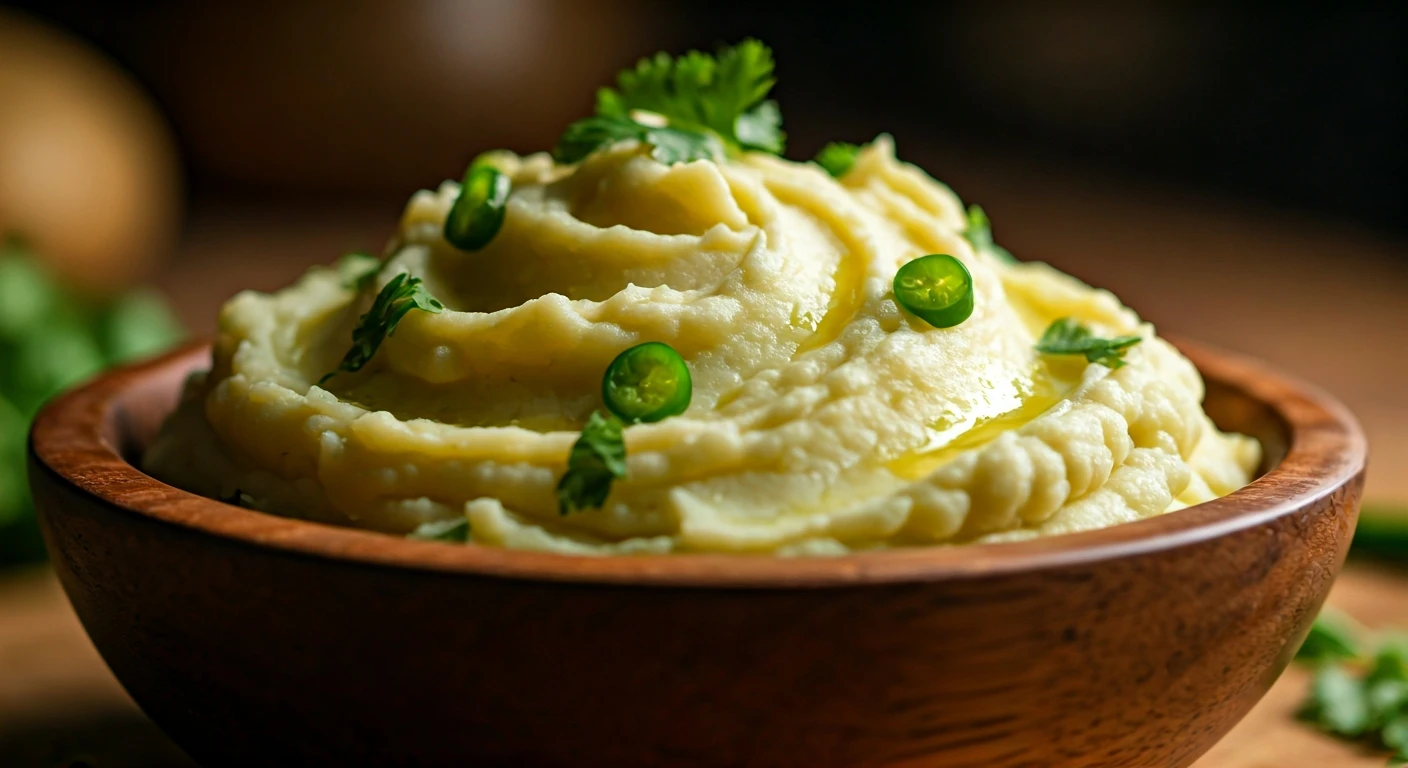
You can't discuss food at Ambubachi without starting with khichdi. For Americans who know it as a simple rice and lentil comfort dish, the scale here is mind-boggling. Served free of charge in massive community kitchens called 'langars,' this isn't just a meal; it's a spiritual offering, or 'prasad.' Volunteers work around the clock, stirring giant cauldrons of rice, lentils, and vegetables with paddles the size of boat oars. The air is thick with the aroma of turmeric, cumin, and ghee. For pilgrims who have traveled for days, many with little money, a plate of hot, nourishing khichdi is a blessing. Eating it shoulder-to-shoulder with strangers from every walk of life embodies the festival's spirit of unity.
A Tour of the Snack Stalls
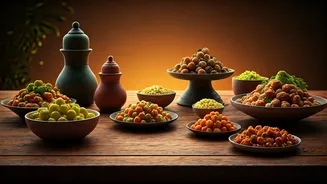
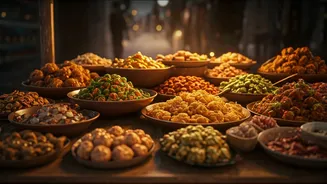
Beyond the large-scale langars, a vibrant ecosystem of temporary food stalls pops up along the winding paths leading to the temple. Because the festival is a sacred event, the food is exclusively vegetarian. But that doesn't mean it’s boring. You'll find vendors selling 'ghugni,' a savory and slightly spicy curry made from dried yellow peas, often topped with chopped onions and a squeeze of lime, served in a simple leaf bowl. Another common sight are 'pithas,' traditional Assamese rice cakes that come in dozens of varieties—some steamed, some fried, some sweet, some savory. Look for cylinder-shaped 'sunga pitha,' where rice is stuffed into bamboo tubes and roasted over a fire, infusing it with a unique, smoky flavor.
Sweets and Thirst Quenchers
No Indian festival is complete without sweets. At Ambubachi, you'll find vendors selling 'jalebi'—bright orange spirals of fried batter soaked in sugar syrup—made fresh in wide, bubbling pans. There are also local specialties like 'narikol laru,' delicious coconut ladoos that melt in your mouth. To wash it all down, the options are simple but essential. Stalls everywhere offer fresh-squeezed sugarcane juice, a lifesaver in the humid Assam heat. And, of course, there is chai. Tiny stalls serve steaming cups of milky, spiced tea, providing not just a caffeine kick but a moment of pause and conversation amidst the overwhelming sensory experience of the Mela.
More Than Just a Meal
What makes the food at Ambubachi Mela “out of this world” isn't a Michelin star or an innovative recipe. It’s the context. It’s the realization that the food you're eating is part of an ancient tradition of pilgrimage and faith. Each bite connects you to the place, the people, and the intense spiritual energy that defines this unique gathering. The vendors aren’t just selling snacks; they are participating in a massive, temporary city built on devotion. The food is simple, honest, and deeply communal, serving as the humble fuel for one of the world's most extraordinary displays of faith.