



1. Windshield Wipers and Fluid
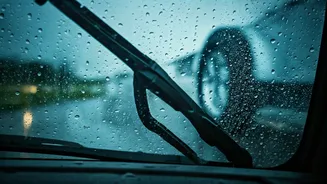
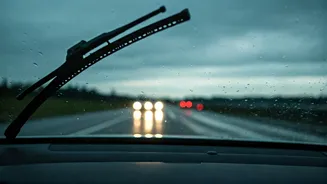
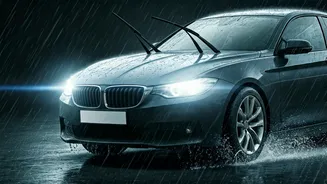
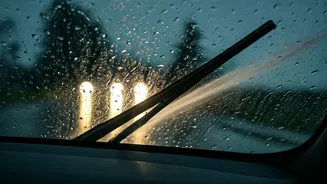
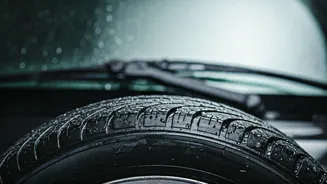
Visibility is your first line of defense in a storm. Worn-out wiper blades don't clear water; they smear it, creating a dangerous, blurry mess, especially when facing the glare of oncoming headlights. Inspect your blades for any signs of cracking, splitting,
or brittleness. Run your finger along the rubber edge—if it feels rigid or chipped, it’s time for a replacement. A good rule of thumb is to replace them every 6 to 12 months. While you’re at it, top off your windshield washer fluid. A good quality, rain-repellent fluid can help water bead up and roll off, further improving what you can see through the glass.
2. Tires: Tread and Pressure
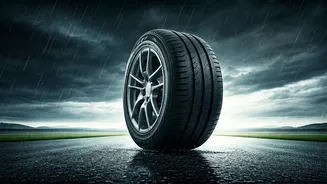
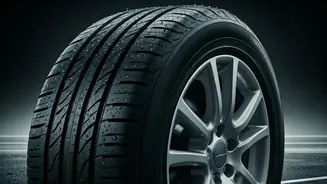
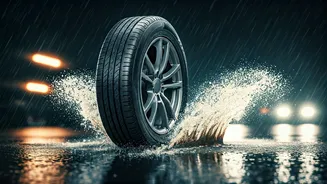
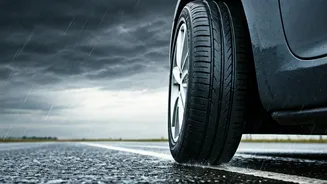
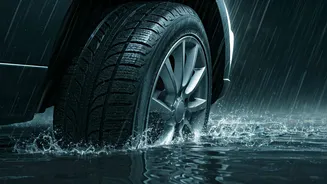
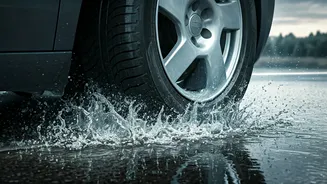
Your tires are the only part of your car that actually touches the road. In the rain, their job gets much harder. The grooves in your tire tread are designed to channel water away, preventing hydroplaning—a terrifying situation where your car essentially floats on a thin layer of water, losing traction and control. Use the classic penny test: insert a penny into your tire's tread with Lincoln's head upside down. If you can see the top of his head, your tread is dangerously low (below 2/32 of an inch) and the tires need immediate replacement. Also, check your tire pressure. Both underinflated and overinflated tires can reduce grip. Find the correct pressure on the sticker inside your driver's side door jamb, not on the tire itself, and check them when they are cold.
3. All Exterior Lights
When the sky darkens and rain starts falling, you need to see and be seen. Walk around your vehicle and check every single light. Have a friend or family member help you test your brake lights, or simply back up close to a garage door or wall at night to see the reflection. Test your headlights (both low and high beams), taillights, and turn signals. A burned-out bulb is a cheap and easy fix, but it can get you a ticket and, more importantly, make you invisible to other drivers in low-visibility conditions. Hazy or yellowed headlight lenses can also significantly reduce light output, so consider a restoration kit if your lights have grown dim with age.
4. The Defroster and HVAC System
Rain often brings humidity, which can cause your windows to fog up in an instant, blinding you to the road. Before you’re caught in a storm, test your climate control system. Turn on your front and rear defrosters to ensure they are blowing air effectively and clearing condensation. Switch your system to the 'defrost' setting and feel the vents at the base of your windshield to make sure a steady stream of air is coming out. If the air isn't blowing strongly or doesn't get warm, you may have a problem with the fan or your car's heating system. Getting this fixed is crucial for maintaining clear sightlines during a wet commute.
5. Brakes
While a full brake inspection is a job for a professional, you can still listen and feel for warning signs. Do your brakes make a high-pitched squealing or a grinding noise when you press the pedal? Does the car pull to one side when you brake? Does the pedal feel spongy, soft, or have to be pressed almost to the floor? These are all indicators that your brake pads, rotors, or fluid may need attention. Wet roads increase your stopping distance, so having brakes in top condition is non-negotiable. If you notice any of these symptoms, don't wait—have a mechanic check them out immediately.