





From Kitchen Staple to Superfood
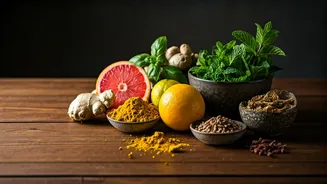
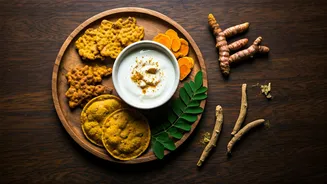
For generations, an Indian grandmother’s advice to drink *haldi doodh* (turmeric milk) for a cold wasn’t a wellness hack; it was just life. These practices are rooted in Ayurveda, a system of medicine developed in India over 3,000 years ago. Ayurvedic
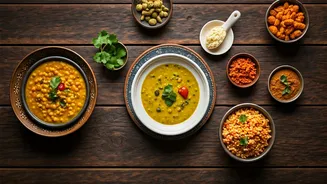
eating isn't about isolating “superfoods.” It’s a holistic philosophy centered on balance. It posits that good health starts with a strong digestive fire, or *agni*, and that foods should be chosen based on one's personal constitution (*dosha*), the season, and the time of day. The goal is to create harmony in the body using a combination of six tastes: sweet, sour, salty, pungent, bitter, and astringent. This complex, personalized system is a far cry from the one-size-fits-all approach of popping a supplement.
The Scientific Seal of Approval
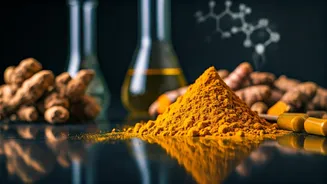
So, what’s behind the “science rebrand”? Western medicine and the wellness industry have begun to study these ingredients through a reductionist lens, isolating active compounds to test their efficacy. The most famous example is turmeric. Countless studies now point to the anti-inflammatory properties of its active compound, curcumin. This validation has transformed turmeric from a simple spice into a billion-dollar supplement industry. Similarly, ashwagandha, a cornerstone of Ayurvedic treatment for stress and vitality, is now marketed as an “adaptogen”—a substance that helps the body resist stressors. Science is essentially reverse-engineering ancient pantry staples, identifying the molecules responsible for the effects that practitioners have observed for centuries. While this research lends credibility, it also fundamentally changes how the ingredient is viewed and used.
What Gets Lost in Translation
The main tension in this “rebrand” is the shift from a holistic system to a collection of silver bullets. In Ayurveda, turmeric is rarely used alone. It’s often combined with black pepper (which enhances curcumin absorption) and consumed as part of a whole food, within a balanced meal designed to support digestion. The modern approach, however, often involves taking a high-potency curcumin extract in a capsule, divorced from its natural context. This scientific validation can be a double-edged sword. While it’s exciting to see modern research confirm ancient knowledge, the focus on single, marketable compounds risks overlooking the systemic wisdom of the original practice. You can’t distill the entire philosophy of Ayurvedic balance into a gummy or a latte, but that is precisely what the wellness market is attempting to do.
From Wisdom to Wellness Commodity
When ancient wisdom becomes a modern commodity, complex cultural practices are often simplified for mass consumption. The rebranding of Indian food traditions is big business. It transforms ghee from a sacred, homemade staple into a high-priced Paleo-friendly fat. It turns a simple home remedy into a $7 “golden milk latte.” This commercialization raises important questions about who profits from this knowledge and whether its cultural origins are being honored or erased. While increased accessibility is a benefit, the risk is that the deep, nuanced system of Ayurveda gets flattened into a series of trendy, decontextualized products. The “rebrand” successfully sells the ingredient, but it often leaves the wisdom behind.