



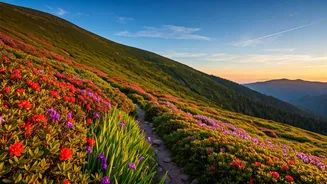
An Alpine Meadow, But Make It Epic
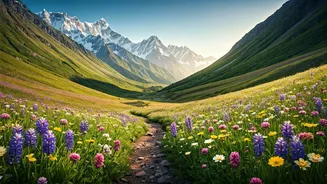
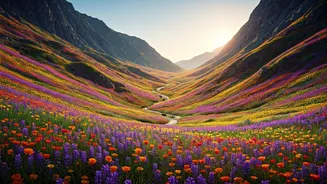
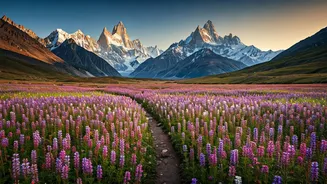
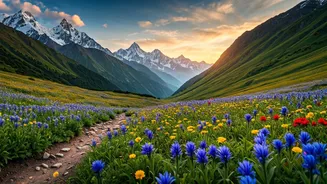
Tucked away in the high-altitude reaches of Uttarakhand, India, the Valley of Flowers National Park is a UNESCO World Heritage Site that lives up to its name. It’s not just a field of flowers; it’s an entire glacial valley, cradled between snow-capped
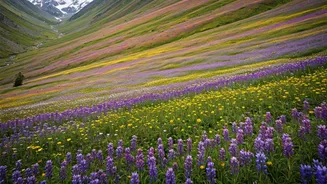
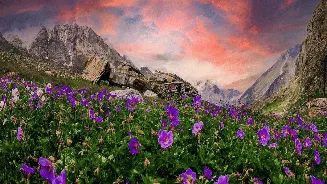
peaks, that transforms into an explosion of alpine flora during the monsoon. Imagine acres of wild orchids, poppies, primulas, and the famous, elusive blue poppy (Brahma Kamal) blanketing the landscape. This isn’t a gentle stroll through a botanical garden. It’s a genuine Himalayan trek to witness a natural spectacle that only occurs for about three months a year, making the journey as rewarding as the destination itself. For American travelers looking for an adventure that combines stunning natural beauty with a physical challenge, this is a bucket-list contender.
The Crucial Monsoon Window
The phrase “monsoon trek” might sound intimidating, but in this case, the rains are what bring the valley to life. The park is typically open from early June to early October, but the absolute peak bloom period is from mid-July to late August. This is when the valley is at its most vibrant. The clouds and mist that drift through the mountains during this time only add to the ethereal, otherworldly atmosphere. Planning your trip for this specific window is non-negotiable. It also means you need to start organizing your travel now. Flights to India, domestic travel arrangements, and guide bookings fill up as trekkers from around the world converge on this short, spectacular season.
The Journey to the Journey
Getting to the Valley of Flowers is an adventure in itself and requires multi-stage planning. The journey typically begins by flying into Delhi and then traveling to the yoga and adventure hub of Rishikesh, either by a short domestic flight, train, or car. From Rishikesh, it's a long, winding, and incredibly scenic 8-10 hour drive up into the mountains to Govindghat or the newly accessible Pulna village. This is where the road ends and your trek begins. The first leg of the trek takes you to Ghangaria, a small, rustic village that serves as the base camp for both the Valley of Flowers and the sacred Sikh pilgrimage site, Hemkund Sahib. You’ll want to book your accommodations in Ghangaria well in advance; the options are basic (guesthouses, not luxury hotels) and extremely limited.
The Trek and The Permit
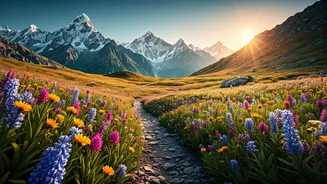
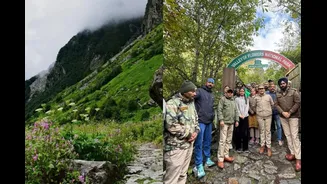
From Ghangaria, the gate to the Valley of Flowers is a short walk away. After securing your entry permit at the forestry checkpoint, you begin the relatively moderate 3-mile trek into the valley itself. The path is well-defined but can be slick with rain, so sturdy, waterproof hiking boots are essential. The trail follows the Pushpawati River, and as you ascend, the floral landscape begins to unfold. The park rules require you to enter and exit on the same day; overnight camping is not allowed. This means you have a solid 5-6 hours to explore the heart of the valley before you must begin your trek back to Ghangaria. The altitude is significant—the valley floor sits at around 12,000 feet—so it's crucial to be acclimatized and listen to your body.
What to Pack and Prepare
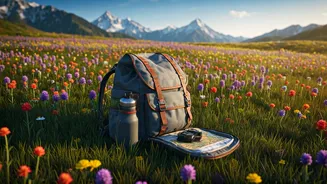
Your packing list can make or break this trip. First and foremost: reliable rain gear. A waterproof jacket and pants are not optional. Dress in layers, as the weather can change in an instant from sunny to cold and misty. Synthetic, quick-drying clothes are far better than cotton. Beyond clothing, pack a small daypack with water, high-energy snacks, sunscreen, a hat, and a basic first-aid kit. While the trek isn't technically difficult for those with good fitness, the altitude is the real challenge. If you're not an experienced hiker, consider a few months of cardiovascular training to prepare. Most importantly, maintain a spirit of flexibility. Mountain logistics can be unpredictable, but the reward is an unforgettable encounter with one of nature’s most magnificent displays.