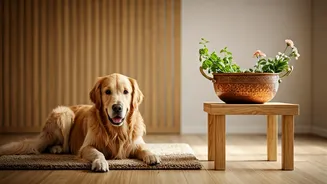









From Guard Dog to ‘Fur Baby’
For generations in many parts of India, a dog's primary role was functional—a guardian for the home, living a largely outdoor existence. Pet ownership was not uncommon, but the concept of a pet as an integrated, indoor family member was largely confined
to a small, elite urban class. Today, that is changing dramatically. Across India’s bustling cities, a cultural evolution is underway. Younger generations, particularly millennials and Gen Z, are increasingly viewing pets not as property, but as children. This has given rise to the term ‘pet parent’ replacing ‘pet owner,’ and it’s more than just a semantic shift; it signals a fundamental change in emotional investment and responsibility.
What 'Mindful' Pet Parenting Actually Means
The term 'mindful pet parenting' stands in direct opposition to the impulsive decisions that often lead to tragic outcomes. The COVID-19 pandemic saw a surge in 'loneliness adoptions' across India, as people sought companionship during lockdowns. Unfortunately, as life returned to normal, shelters reported a heartbreaking increase in abandoned animals, acquired without forethought. Mindful parenting is the conscious counter-movement. It begins before an animal even enters the home, involving extensive research into breeds, energy levels, and long-term costs. It means preparing financially for vet bills, high-quality food, and grooming. Prospective parents now consider their lifestyle—work hours, apartment size, and future plans—before committing. Once the pet is home, the mindfulness continues with a focus on proper training, socialization, nutrition, and mental enrichment, treating the animal as a sentient being with complex needs.
The Social and Economic Drivers of the Trend
This isn't happening in a vacuum. Several factors are fueling the mindful pet parenting wave. Rapid urbanization and a rise in nuclear families mean more people are living in apartments, often far from their extended families, creating a void that pets can fill. For a growing number of DINK (Dual Income, No Kids) couples, pets have become child-substitutes, on whom they dote with affection and disposable income. Social media also plays a huge role. Platforms like Instagram are filled with Indian 'petfluencers' showcasing meticulously curated lifestyles for their dogs and cats, setting new aspirational standards for pet care. This digital visibility normalizes and encourages high-investment parenting, from birthday parties and custom clothing to specialized diets and behavioral therapy.
A Booming Industry and Lingering Challenges
This new mindset has ignited a multi-billion dollar pet care industry in India. Entrepreneurs are rushing to fill the demand with services that were once considered niche luxuries. Gourmet, human-grade pet food, high-end grooming salons, doggy daycare centers with swimming pools, and professional animal behaviorists are now common in major cities like Mumbai, Delhi, and Bengaluru. However, while this mindful trend is powerful and growing, it exists alongside the old realities. Impulsive buying from breeders and high abandonment rates remain serious issues. The 'trend' is currently concentrated in upwardly mobile, urban demographics. The challenge for animal welfare organizations is to broaden the message of responsible ownership to all segments of society, ensuring that the compassion of mindful parenting becomes the standard, not just a premium lifestyle choice.