







The Symbolism of a Sacred Flower
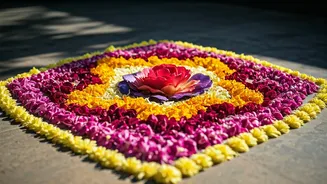
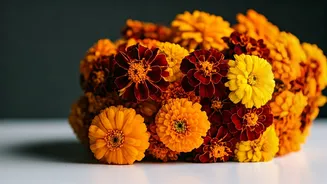
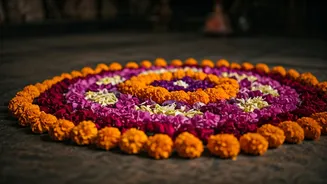
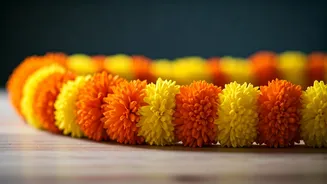
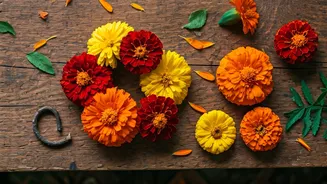
In many South Asian cultures, particularly within Hinduism, the marigold—or *genda phool*—is more than just a pretty flower. Its brilliant orange and yellow hues are considered auspicious, symbolizing purity, the sun's energy, and new beginnings. They
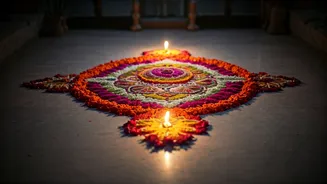
are woven into thick garlands offered to deities, draped over wedding arches, and scattered during festivals like Diwali. These flowers represent a direct, tangible connection to the divine, a fragrant offering of faith and respect. Each petal carries a prayer, a hope, or a token of gratitude, making its eventual disposal a uniquely sensitive issue. For millions, these aren't just flowers; they are artifacts of devotion, imbued with spiritual significance from the moment they are picked.
The Unexpected Environmental Cost
The sheer scale of these offerings creates a significant environmental challenge. In India alone, it's estimated that millions of tons of temple flowers are discarded annually. Traditionally, these sacred offerings cannot be simply thrown in the trash. As a result, they are often deposited into rivers and other water bodies, which are also considered sacred. But good intentions can have negative consequences. Laden with pesticides used in commercial floriculture, the decomposing flowers pollute waterways, deplete oxygen levels, and harm aquatic life. This paradox—where an act of reverence contributes to the degradation of a sacred natural resource—has spurred a quiet but powerful movement for change.
From Waste to Worth: The 'Flowercycling' Movement
Enter the concept of “flowercycling.” Pioneering social enterprises, primarily in India, saw an opportunity to intercept this floral waste stream and transform it. They began collecting discarded flowers from temples and giving them a new purpose. The process is both innovative and beautifully circular. Workers, often women from marginalized communities, sort the petals, which are then repurposed in a variety of ways. They are dried and rolled into natural incense sticks, composted into rich organic fertilizer, or used to create vibrant textile dyes and even biodegradable packaging. This model doesn't just solve an environmental problem; it creates sustainable livelihoods and honors the flower’s sacred origins by ensuring nothing is wasted.
The Hands-On Appeal for a New Generation
Now, the spirit of this movement is blossoming in a new form: creative workshops. Across cities and in community spaces, small groups are gathering to learn the art of upcycling these very flowers. These workshops tap directly into the values of a younger, eco-conscious demographic. Participants learn to extract natural pigments from marigold petals to dye fabrics, press flowers into botanical art, or craft their own handmade paper. The experience is tactile, educational, and deeply satisfying. It offers a direct antidote to digital fatigue and mass-produced consumerism, providing a tangible connection to both nature and culture. It’s a chance to not just buy a sustainable product, but to participate in its creation.
Why This Trend Is Resonating Now
The popularity of upcycled marigold workshops isn't just about crafting. It represents a convergence of several key cultural shifts. There's the growing demand for sustainable living and zero-waste solutions. There’s a renewed interest in mindfulness and hands-on activities that foster a sense of presence and well-being. And there is a deep and growing appreciation for authentic cultural stories. These workshops offer all three. They provide a meaningful narrative where an ancient tradition is renewed through modern innovation. For participants, it’s a way to engage with a beautiful cultural practice respectfully, create something with their own hands, and make a small but positive impact on the planet.