




What ‘Plant-Forward’ Really Means
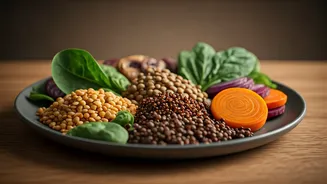
First, let’s clear up the terminology. Unlike strict veganism or vegetarianism, a “plant-forward” diet doesn’t require you to eliminate anything. Instead, it’s about shifting the focus of your plate. The goal is to make plants—fruits, vegetables, whole
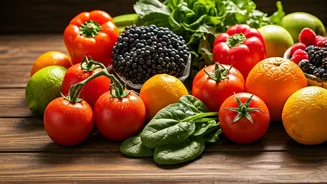
grains, nuts, seeds, and legumes—the star of the show, with animal products playing a smaller, supporting role. Think of it not as a diet of restriction, but one of abundance. You’re not giving things up so much as you are adding more variety, color, and nutrients to your meals. This flexible framework is what makes it so practical. There’s no need for an all-or-nothing mindset. You can start with one plant-forward meal a day, or even just embrace the popular “Meatless Monday” trend. It’s an inclusive approach that meets you where you are, without judgment or rigid rules.
Unpacking the 'Value' Proposition
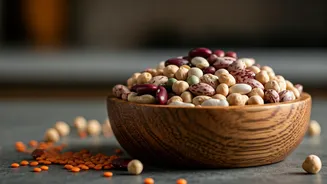
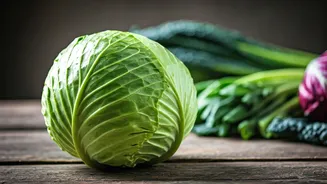
One of the biggest myths about plant-centric eating is that it’s expensive. While niche vegan cheeses and hyper-processed meat alternatives can certainly strain a budget, the foundation of a plant-forward diet is built on some of the most affordable ingredients in the grocery store. A one-pound bag of dried lentils or beans, which can provide the foundation for multiple family meals, often costs less than a single pound of ground beef. Whole grains like oats and brown rice, and seasonal produce like potatoes, carrots, and cabbage, are exceptionally budget-friendly. The key is to focus on whole foods. By building meals around these inexpensive staples, you can significantly lower your grocery bill. Cooking from scratch, even just a few times a week, amplifies these savings. A large pot of black bean soup or a lentil shepherd’s pie can feed a family for a fraction of the cost of their meat-based counterparts, proving that eating well doesn’t have to be a luxury.
Making It Practical for a Busy Life
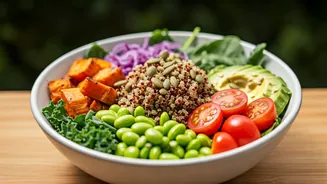
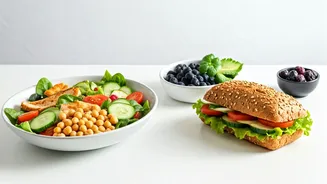
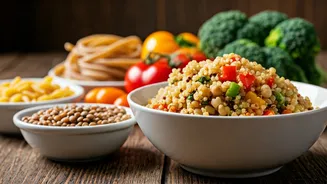
The idea of overhauling your entire cooking routine can feel exhausting. But integrating plant-forward principles is often about simple swaps and embracing convenience. Instead of ground meat in your pasta sauce, try simmering red lentils until they soften into a rich, hearty base. Swap chicken in your stir-fry for firm tofu or a can of chickpeas. These aren't complicated culinary feats; they’re easy adjustments that use pantry staples. Meal prepping is another powerful tool. On a Sunday afternoon, you can cook a large batch of quinoa, roast a tray of vegetables, and whip up a simple vinaigrette. These components can then be mixed and matched throughout the week for quick grain bowls, salads, and side dishes. Many plant-forward meals are also perfect for one-pot cooking—think chilis, curries, and stews—which minimizes cleanup and makes weeknight dinners feel far more manageable.
Aligning Your Plate With Your Principles
Beyond the financial savings, “value-led” also speaks to aligning your food choices with your personal values. For many, this means making more environmentally conscious decisions. Producing plant-based foods generally requires less water, less land, and generates fewer greenhouse gas emissions compared to animal agriculture. Shifting your diet, even slightly, is a tangible way to reduce your personal environmental footprint. For others, the value lies in health. Plant-forward diets are naturally high in fiber, vitamins, and minerals while being lower in saturated fat and cholesterol. This nutritional profile is associated with a wide range of health benefits, from improved digestion and heart health to better weight management. Choosing to put more plants on your plate is a proactive investment in your long-term well-being, turning every meal into an opportunity to nourish your body.