


The Problem with Pothos
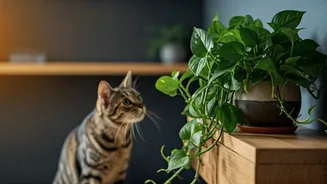
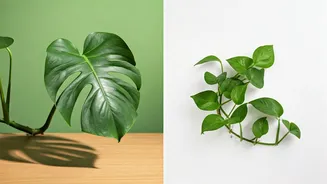
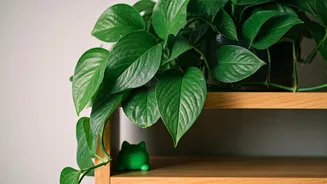
The culprit behind pothos toxicity isn't a poison in the traditional sense. Instead, the plant’s tissues are filled with microscopic, needle-shaped crystals called insoluble calcium oxalates. When a cat chews on a leaf or stem, these sharp crystals are released,
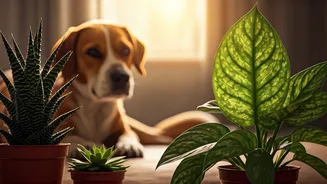
embedding themselves into the soft tissues of the mouth, tongue, and throat. This creates an immediate and painful burning sensation, much like chewing on tiny shards of glass. The plant is toxic to dogs as well, but cats, with their tendency to explore with their mouths and climb onto high surfaces where plants are often kept, are particularly at risk. All parts of the pothos plant—leaves, stems, and roots—contain these crystals and should be considered dangerous.
Signs of Pothos Poisoning in Cats
Because the pain is immediate, you will likely notice symptoms right away if your cat has taken a bite of a pothos plant. The reaction is a physical irritation rather than a systemic poisoning, but it is extremely unpleasant for your pet. Be on the lookout for these key signs: - **Intense oral irritation:** Pawing at the face or mouth is a classic sign of discomfort. - **Drooling or foaming at the mouth:** The body’s natural response to try and flush out the irritating crystals. - **Vomiting:** The cat's system may try to expel the plant matter. - **Swelling:** You may see visible swelling of the tongue, lips, or face. - **Difficulty swallowing:** In more severe cases, swelling of the pharynx can make swallowing difficult, though this is less common. - **Vocalizing:** Your cat may cry or meow in pain. While pothos ingestion is rarely fatal, it causes significant pain and distress that warrants immediate attention.
What to Do If Your Cat Eats Pothos
If you suspect your cat has chewed on a pothos plant, stay calm and act quickly. Your goal is to mitigate their discomfort and get professional advice. 1. **Remove the Plant:** Take your cat away from the plant and remove any visible pieces from their mouth. Be careful, as their mouth will be very sore. 2. **Offer Water or Milk:** Encourage your cat to drink something. Water can help rinse the crystals away. A small amount of milk, tuna water, or yogurt can help bind the crystals and provide relief. Do not force them to drink if they are unwilling. 3. **Do Not Induce Vomiting:** This is not a poison that needs to be purged from the stomach. Inducing vomiting will only cause more irritation to the throat on the way back up. 4. **Call for Help:** Contact your veterinarian or an animal poison control center immediately. The ASPCA Animal Poison Control Center hotline (888-426-4435) is available 24/7. They can assess the situation and tell you whether a trip to the vet is necessary.
Prevention Is the Best Medicine
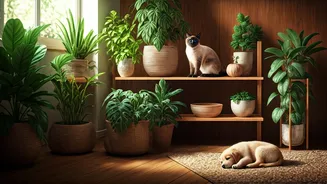
The easiest way to prevent pothos poisoning is to keep the plants completely out of your cat's reach. Given their climbing abilities, this can be a challenge. Consider placing your pothos in a hanging basket secured from the ceiling, far from any launch points like bookshelves or cat trees. You can also place them on very high, isolated shelves that your cat cannot access. Alternatively, designate a specific room in your home as plant-filled but cat-free. Some owners try deterrent sprays, but these are often not effective enough to bet your pet’s well-being on. Ultimately, physical separation is the only foolproof method.
Safe Greenery for Feline Friends
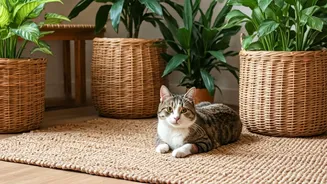
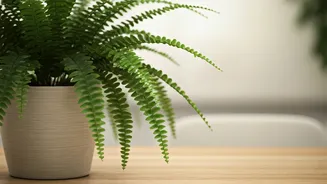
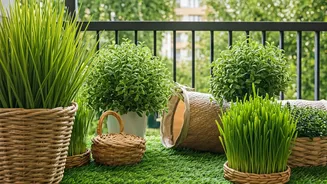
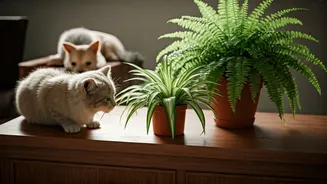
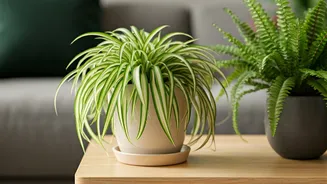
The good news is that you don't have to give up on your indoor garden dreams. Many beautiful and popular houseplants are completely safe for cats. If you want to bring some green into your home without the worry, consider these feline-friendly options: - **Spider Plant:** These air-purifying plants are non-toxic and fun for cats to bat at (though you may want to keep them high to save the foliage). - **Boston Fern:** A lush, classic fern that is perfectly safe for pets. - **Calathea (Prayer Plant):** Known for its stunning, patterned leaves, this entire family of plants is non-toxic. - **Areca Palm:** A popular indoor palm that gives a tropical vibe without the danger. - **Catnip and Cat Grass:** Why not grow something specifically for them? Cat grass provides fiber and enrichment, satisfying their urge to chew on greens.