

Goodbye to the Gallery Look
Remember the Scandinavian-inspired, minimalist wave that swept the globe? It was characterized by brilliant white walls, sparse furnishings, and a cool, almost clinical precision. For many upwardly mobile urbanites in Indian metropolises like Mumbai,
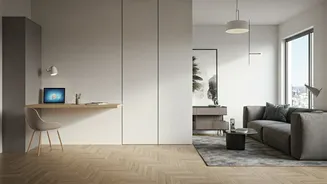
Delhi, and Bengaluru, this aesthetic was a powerful symbol. It represented a clean break from the visual density of traditional Indian decor, signaling a global, modern outlook. These spaces felt like art galleries: pristine, orderly, and a little impersonal. They were designed to look good on Instagram, embodying an international ideal that could have been anywhere from Stockholm to SoHo.
So, What Is Warm Minimalism?
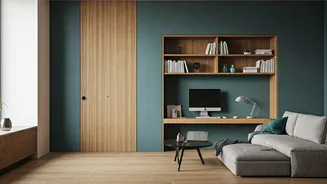
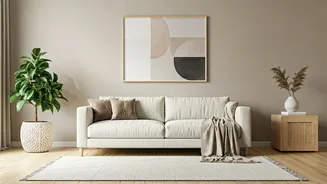
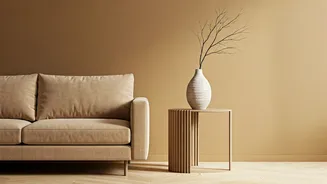
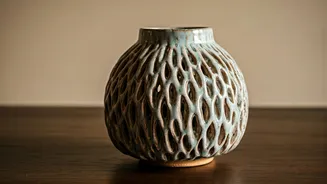
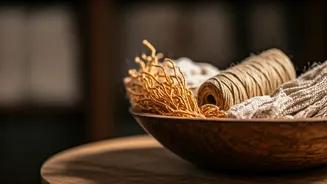
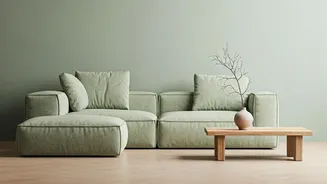
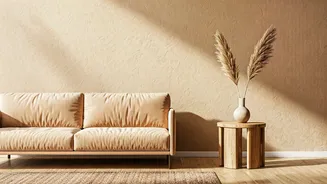
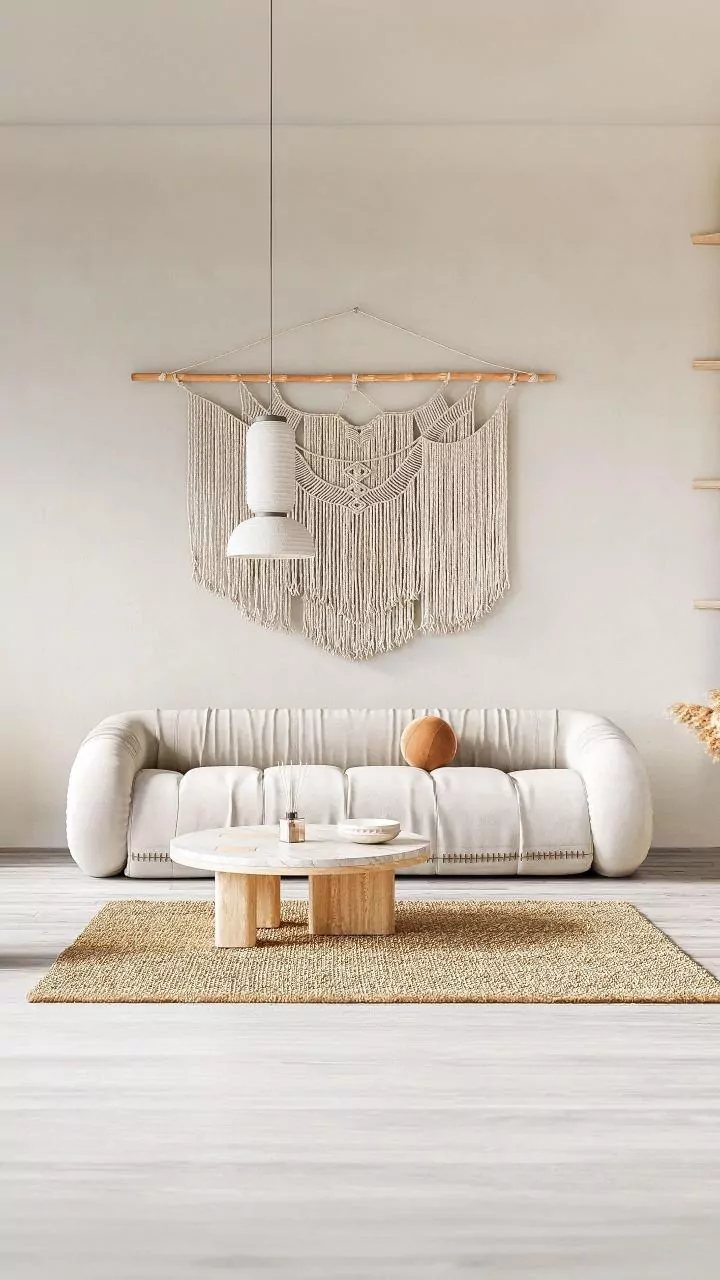
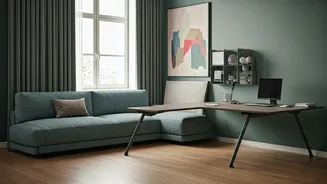
Warm minimalism isn’t an oxymoron; it's a correction. It keeps the core principle of minimalism—less is more—but infuses it with personality, texture, and a deep sense of comfort. Think of it as the antidote to the cold, untouchable white box. In the Indian context, this translates into a rich, tactile design language. The stark whites are replaced by a palette of earthy neutrals: soft beiges, warm greys, terracotta, ochre, and muted greens. Polished chrome and plastic give way to natural materials that have a history in the region, like the deep grain of teak or sheesham wood, the airy weave of rattan and cane, and the cool, uneven surface of local stone like Kota or limestone. It’s a style that prioritizes how a space *feels*, not just how it looks. The focus is on soft, layered lighting, handcrafted objects that tell a story, and a curated clutter that speaks to a life being lived.
A Search for Comfort and Connection
This shift isn’t happening in a vacuum. The global pandemic forced everyone, including India's city dwellers, to spend unprecedented time at home. Suddenly, living in a sterile gallery didn't seem so appealing. Homes needed to become sanctuaries—places of comfort, work, and refuge from the chaos outside. This accelerated a move away from purely aesthetic trends toward design that nurtures well-being. Furthermore, there's a growing appreciation for authenticity and local craftsmanship. The warm minimalist aesthetic champions artisans and homegrown materials, representing a quiet rejection of mass-produced, globally homogenous goods. It blends the clean lines of Japanese and Scandinavian design (a style often called 'Japandi') with a distinctly Indian soul, creating something that feels both contemporary and timelessly rooted.
A New, Confident Design Identity
Ultimately, the rise of warm minimalism in urban India is about more than just beige paint and rattan chairs. It reflects a new phase of cultural confidence. The first wave of modernism was about looking outward and adopting a global standard. This new wave is about looking inward. It’s a sophisticated synthesis, proving that you can be modern and connected to the world without erasing your own cultural identity. Designers and homeowners are no longer just importing trends; they are interpreting them, blending them, and creating a new vocabulary that is uniquely their own. These homes are calm, collected, and deeply personal—a quiet but powerful statement in the heart of some of the world's most vibrant cities.