


The Delicious, Carb-Rich Tradition
To understand the makeover, you have to appreciate the original. Across India, the first meal of the day is a symphony of textures and regional flavors, but it has traditionally leaned heavily on carbohydrates for quick energy. Think of Maharashtra’s
*poha* (flattened rice flakes cooked with onions and spices), the South’s iconic duo of *idli* (steamed rice and lentil cakes) and *dosa* (a thin crepe from a similar batter), or North India’s stuffed *parathas* (flaky flatbreads filled with potatoes or cauliflower). These dishes are cornerstones of Indian culinary identity—deeply comforting, flavorful, and incredibly popular. For decades, this was simply what breakfast was, a satisfying meal to kickstart a busy day, with less emphasis on the macronutrient breakdown we obsess over today.
Why the Quest for Protein?
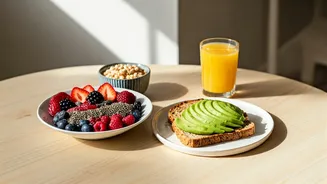
So, what changed? A perfect storm of factors. Firstly, global wellness trends have washed ashore in India’s bustling cities. The modern, urban Indian professional is now as likely to track their macros on a fitness app as their counterparts in New York or Los Angeles. Secondly, there’s a growing, and urgent, public health awareness. India faces a significant challenge with metabolic diseases, including a high prevalence of type 2 diabetes. Health experts and dietitians have been vocal about the need to balance meals with more protein and fiber to manage blood sugar levels and promote satiety. This nutritional advice, once niche, has gone mainstream, prompting a nationwide re-evaluation of the daily plate, starting with the most important meal of the day.
Reinventing the Classics
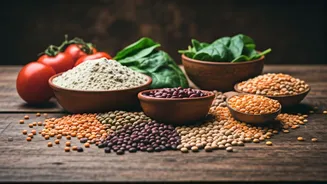
This isn't about replacing beloved dishes but cleverly upgrading them. The makeover is happening in home kitchens and cafes, where tradition is being tweaked, not tossed out. The classic rice-and-lentil dosa batter is being fortified with more lentils or even ground oats and seeds. *Upma*, a savory porridge traditionally made from semolina, is now often made with high-protein quinoa or crumbled paneer (a fresh, non-melting Indian cheese) stirred in at the end. Scrambled eggs, or *bhurji*, are being folded into whole wheat wraps. Even the humble idli is getting a boost, with some cooks adding spinach puree and ground lentils to the batter. It's a creative culinary movement fueled by the question: How can we make this both delicious *and* nutritionally dense?
The Return of Ancient Grains
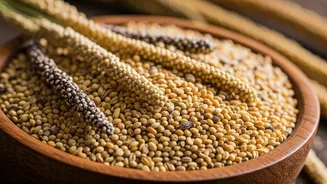
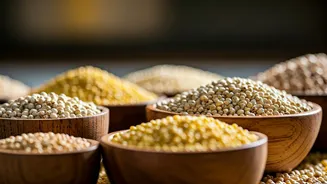
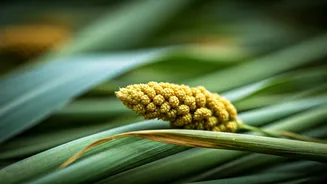
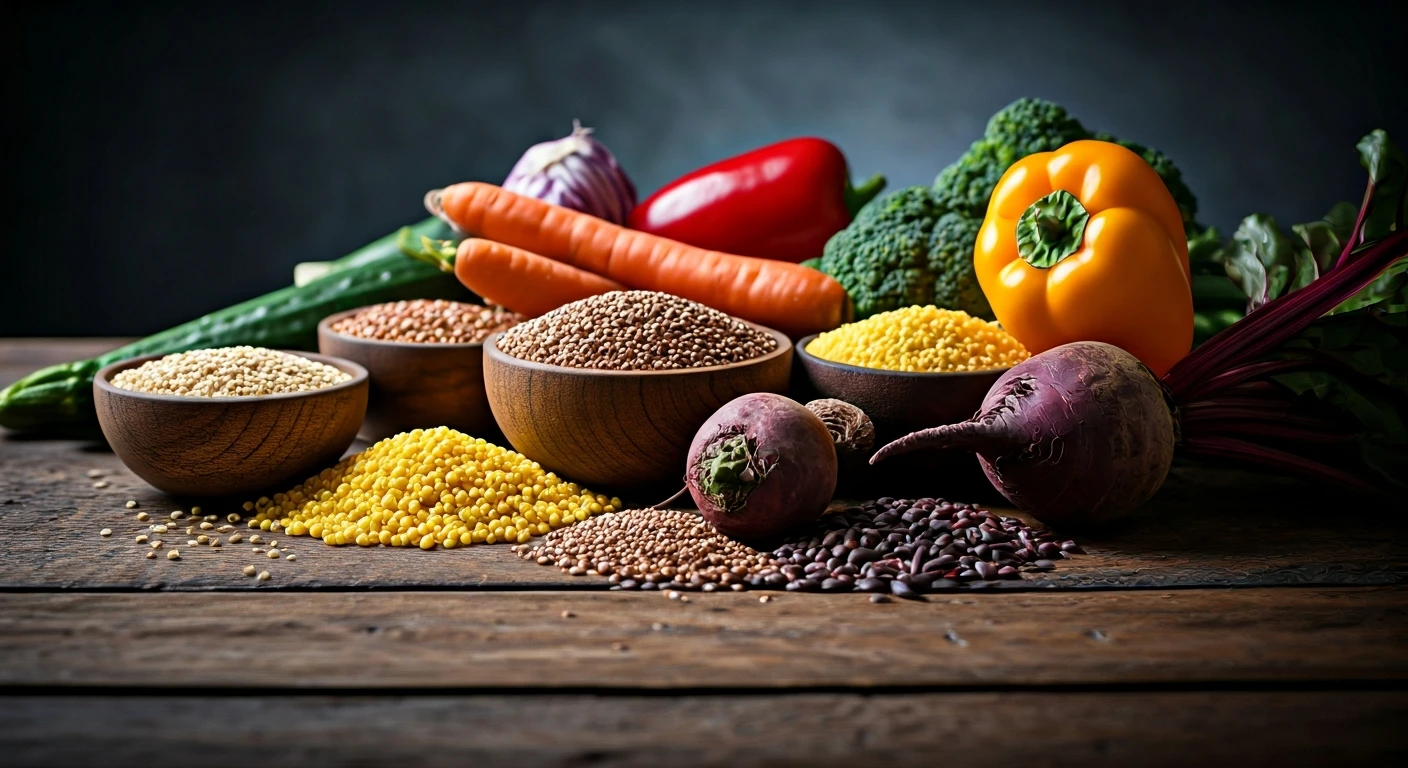
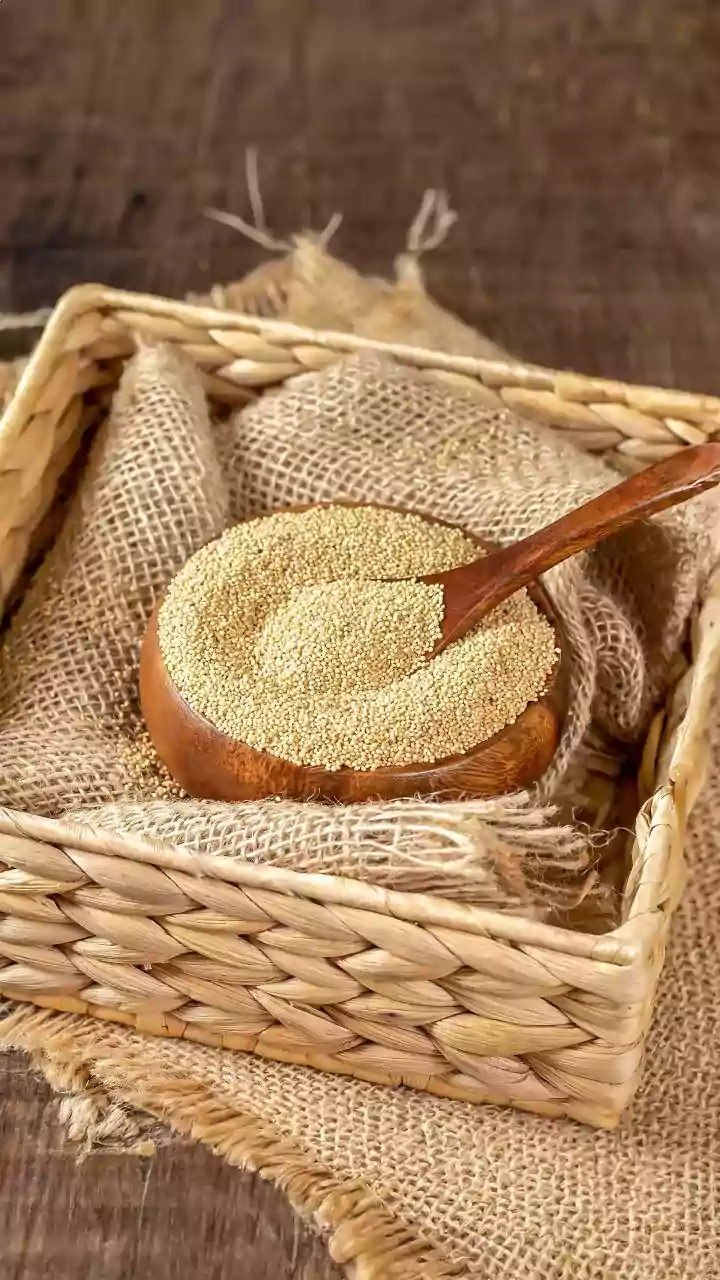
A huge part of this breakfast revolution is the revival of ancient, nutrient-packed grains that were once staples before polished white rice and refined wheat took over. Millets are the undisputed stars of this comeback. Grains like *ragi* (finger millet), *jowar* (sorghum), and *bajra* (pearl millet) are naturally high in protein, fiber, and essential minerals. They are also gluten-free, making them a popular choice. You’ll now find everything from fluffy, dark-purple *ragi* dosas and savory *jowar* pancakes to millet-based versions of *poha*. This shift is more than a health fad; it’s a reclamation of agricultural heritage, connecting modern nutritional goals with India’s diverse and climate-resilient indigenous crops.
From Kitchens to Startups
This trend isn't just a grassroots movement; it's big business. A booming industry of health-food startups has emerged across India to cater to this new demand. Companies are selling everything from high-protein dosa and idli batters in ready-to-cook packets to millet-based breakfast cereals and protein-infused coffee. They’re making it incredibly convenient for busy people to stick to their health goals without sacrificing the flavors they grew up with. This commercialization is a clear sign that the protein-powered breakfast is not a fleeting trend but a sustainable shift in the Indian diet, bridging the gap between convenience, health, and tradition.