




Washington, D.C.’s Iconic Cherry Blossoms
There are few sights more emblematic of spring in America than the delicate, pink-and-white canopy of cherry blossoms framing the monuments of our nation's capital. A gift from Japan in 1912, the thousands of Yoshino cherry trees around the Tidal Basin
create a fleeting, ethereal spectacle. The experience is both communal and personal; you can join the crowds for the National Cherry Blossom Festival or find a quiet, early-morning moment to watch the sunrise reflect off the water, petals gently drifting down. The bloom is notoriously brief and weather-dependent, typically peaking between late March and early April. Planning is key: book accommodations well in advance and use the National Park Service’s “Bloom Watch” for the most accurate predictions. For a less crowded view, explore the trees at the U.S. National Arboretum or in quiet neighborhood parks.
The Bluebonnet Seas of Texas Hill Country
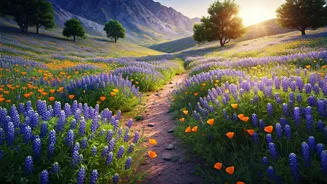
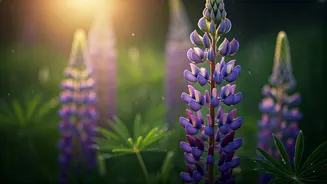
Every spring, the rolling hills west of Austin and San Antonio transform into a vast impressionist painting of deep blues and vibrant greens. This is bluebonnet season, a cherished Texas tradition that beckons families and photographers alike. The experience is best enjoyed as a classic American road trip. Drive the scenic Willow City Loop near Fredericksburg or explore the roads around Brenham, known as the “Bluebonnet Capital.” Unlike a single destination, the joy here is in the journey—pulling over safely to capture the perfect photo in a roadside meadow. Just remember to respect private property; admire from the road unless you’re in a designated park like Muleshoe Bend. The peak season generally runs from late March through mid-April, creating the perfect backdrop for barbecue pit stops and small-town antique shopping.
California’s Unpredictable Superblooms
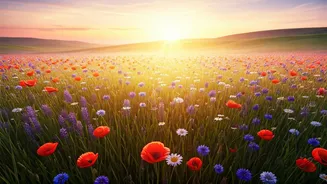
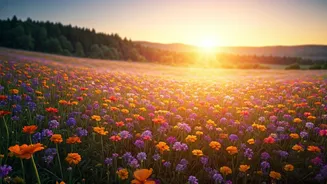
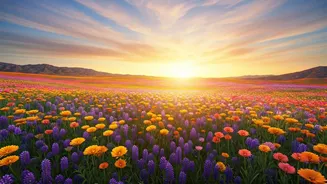
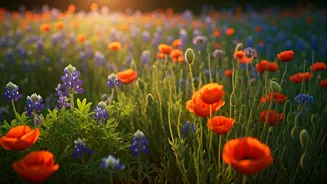
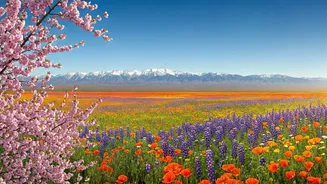
A California “superbloom” is the stuff of legend—a rare, magnificent event where a wet winter awakens dormant seeds, carpeting entire desert landscapes in an explosion of wildflowers. When conditions align, places like Anza-Borrego Desert State Park, Joshua Tree National Park, and the Carrizo Plain National Monument can become seas of golden poppies, purple lupine, and desert sunflowers. A superbloom isn't an annual guarantee, which makes witnessing one feel like winning a natural lottery. It requires patience and flexibility, as predictions often come only a few weeks in advance. When it happens, typically from February to May depending on elevation and rainfall, the key is to go on a weekday to avoid overwhelming crowds and to strictly adhere to “Leave No Trace” principles. Stay on marked trails to avoid trampling the very beauty you came to see.
The Tulip Fields of Skagit Valley, Washington
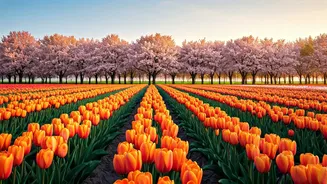
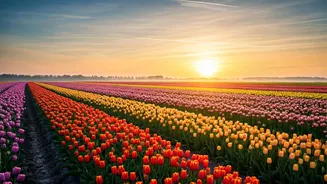
For a dose of Dutch-style color without leaving the country, the Skagit Valley Tulip Festival is an essential springtime pilgrimage. Located about an hour north of Seattle, this region boasts vast, geometric fields of tulips and daffodils that burst into unbelievable color every April. The festival is a well-organized affair, with multiple gardens like RoozenGaarde and Tulip Town offering immaculate displays, photo opportunities, and bulbs for purchase. The backdrop of the Cascade Mountains adds a dramatic flair to the vibrant rows of red, yellow, and purple. It’s a family-friendly escape that feels a world away from everyday life. To make the most of it, buy tickets online, wear waterproof boots (the fields can be muddy), and try to visit on a weekday morning for the best light and thinnest crowds.
The Fragrant Lavender Fields of the East Coast
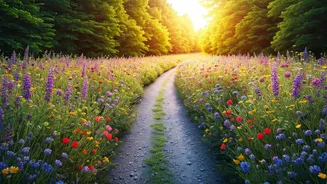
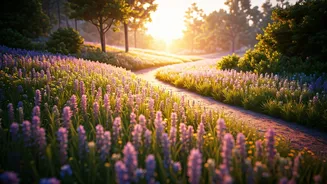
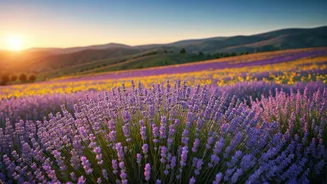
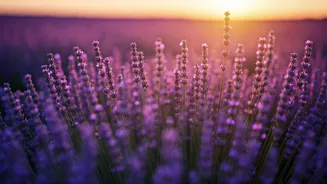
If your search for peace involves scent as much as sight, a mid-summer visit to a lavender farm is the perfect escape. From Pennsylvania to Virginia and beyond, dozens of farms open their doors to visitors from June to August. Walking through rows of fragrant purple spikes, with the gentle hum of bees in the air, is a deeply calming and sensory experience. Many farms, like Soleado Lavender Farm in Maryland or Carousel Lavender Farm in Pennsylvania, offer pick-your-own bundles, distillation demonstrations, and shops filled with handmade soaps, oils, and culinary treats. It's a lower-key, more intimate bloom escape compared to the grand-scale festivals, offering a chance to slow down, breathe deeply, and take a piece of that tranquility home with you.