

The 'Magic' Explained: What Is Composting?
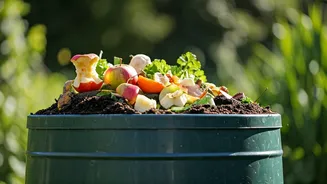
At its heart, composting is just nature’s recycling program. It’s the process of breaking down organic matter—like fruit peels, coffee grounds, and fallen leaves—into a rich, dark, soil-like material called humus. Think of it as hitting fast-forward on
what happens naturally on a forest floor. Microorganisms like bacteria and fungi, along with worms and insects, do all the heavy lifting. They consume the organic waste, digest it, and transform it into a nutrient-packed amendment that gardeners affectionately call “black gold.” The 'magic' isn't a trick; it's simply providing the right conditions—a mix of materials, moisture, and air—for these tiny decomposers to thrive and do their work efficiently.
Why It Feels So Powerful
The transformative feeling comes from the sheer volume of waste you divert. According to the U.S. Environmental Protection Agency (EPA), food scraps and yard trimmings make up roughly 30% of what the average American household throws away. Instead of being sealed in a plastic bag and hauled to a landfill, this material gets a second life. In a landfill, starved of oxygen, organic matter breaks down anaerobically, producing methane—a potent greenhouse gas that is far more effective at trapping heat than carbon dioxide. By composting, you not only shrink your trash can and reduce your home’s carbon footprint, but you also create a valuable resource from materials you would have otherwise discarded. It’s a closed-loop system that feels profoundly impactful.
The 'Ingredients' for Your Potion
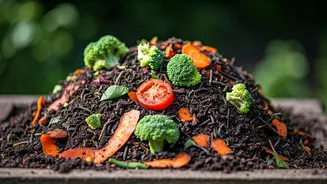
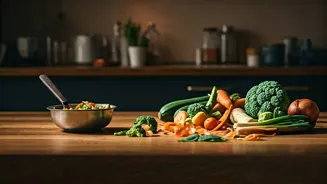
A successful compost pile requires a balanced diet of two types of materials: 'greens' and 'browns.' This isn't about color, but about chemistry. 'Greens' are nitrogen-rich materials that provide protein for the microorganisms. Think fresh, wet items like: fruit and vegetable scraps, coffee grounds and paper filters, grass clippings, and eggshells. 'Browns' are carbon-rich materials that provide energy and create air pockets for ventilation. These are typically dry, woody items such as: dead leaves, small twigs and branches, cardboard (torn into small pieces), newspaper, and sawdust from untreated wood. A good rule of thumb is to aim for a ratio of about two to three parts browns to one part greens. This balance prevents the pile from becoming slimy or smelly and helps it break down efficiently.
What to Keep Out of the Cauldron
Just as important as what goes in is what stays out. To avoid foul odors, pests, and potential pathogens, you should never add certain items to a home compost pile. The main culprits are meat, fish, and bones; dairy products like cheese and yogurt; and oily or greasy foods. These materials break down slowly, attract rodents and other unwanted visitors, and can create a smelly mess. Similarly, avoid adding pet waste (from cats or dogs), as it can contain harmful parasites and bacteria that won't be killed by the composting process. Finally, keep out diseased plants, which could spread problems to your garden later, and any items treated with pesticides or chemicals.
Choosing Your Composting Style
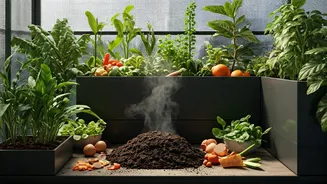
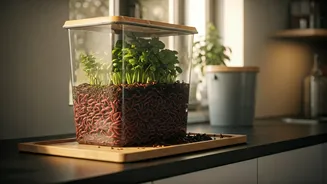
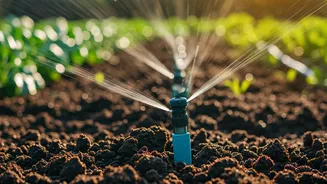
You don't need a huge yard to start composting. For homeowners with some outdoor space, a simple enclosed bin or a DIY pile in a corner of the yard works perfectly. These systems are low-maintenance; you just add materials, turn the pile occasionally to aerate it, and keep it slightly damp like a wrung-out sponge. For apartment dwellers or those with no yard, vermicomposting (a worm bin) is a fantastic indoor solution. It's compact, odorless when managed correctly, and uses red wiggler worms to quickly process food scraps. If a home system isn't feasible, check for local options. Many municipalities now offer curbside compost pickup, and community gardens or farmers' markets often host collection sites where you can drop off your scraps.