



What Exactly Is Kokedama?
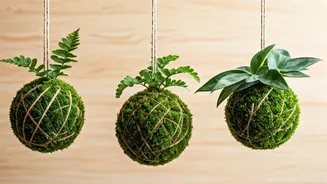
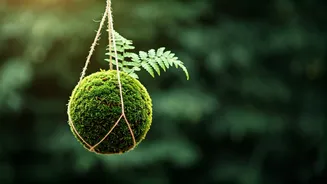
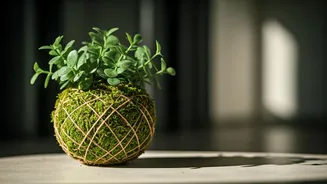
Kokedama translates to "moss ball" and is a centuries-old Japanese garden art form. Think of it as a natural, living pot for your plant. It’s a cousin of bonsai, sharing the same wabi-sabi aesthetic that finds beauty in imperfection and nature. Instead
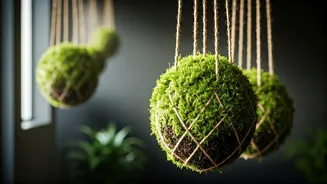
of a plastic or ceramic container, the plant’s root system is bound in a special soil mix, wrapped in lush green moss, and secured with twine. Often called "string gardens," these beautiful creations can be hung in windows or placed on decorative dishes, turning a simple houseplant into a floating, sculptural work of art.
Gather Your Supplies
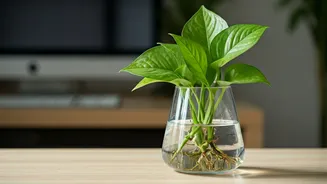
The magic of kokedama is in its simple, earthy ingredients. You won’t need much, but the right components are key. First, choose a small plant; ferns, pothos, philodendrons, or even orchids work well. For the soil, you’ll need a mix that holds its shape. The classic recipe is a 7:3 ratio of peat moss (or a sustainable alternative like coco coir) and akadama bonsai soil. If you can’t find akadama, a heavy clay soil or clay powder for pottery will also work. Finally, you’ll need a sheet of preserved or fresh sheet moss, and a spool of twine, string, or fishing line for wrapping.
Prepare the Soil Mixture
This is the foundational step. In a mixing bowl, combine your peat moss/coco coir and your akadama or clay soil. Slowly add water, mixing with your hands until the soil begins to clump together. You're aiming for a consistency that feels like thick, moldable clay or even a firm meatball. It should hold its shape when you squeeze it into a ball, but it shouldn't be dripping wet. If it’s too crumbly, add more water a little at a time. If it’s too soggy, add a bit more of your dry soil mix. Getting this texture right is the secret to a kokedama ball that won’t fall apart.
Form the Ball Around Your Plant
Gently remove your chosen plant from its nursery pot and carefully tease away the loose soil from its roots. You don’t need to get them perfectly clean, just remove the excess. Now, take a handful of your prepared soil mixture and flatten it in your palm. Place the plant’s root ball in the center and begin adding more soil, forming it into a sphere around the roots. Pack the soil firmly but gently. Your goal is a compact, round ball that fully encases the plant's root system. Smooth the surface with your hands to create a neat sphere.
Wrap It in Moss
Lay your sheet moss green-side down on your work surface. If you're using preserved moss, you might want to lightly mist it with water to make it more pliable. Place your soil ball in the center of the moss sheet. Now, gently lift the edges of the moss and press them around the soil ball, covering it completely. Overlap the edges slightly and trim any major excess with scissors. Don’t worry about it being perfect yet; the next step will secure everything in place. The moss acts as a natural container, holding moisture in for the plant.
Secure with Twine
This is where your kokedama gets its iconic look. Take your twine and, holding one end against the ball, begin wrapping it around the moss-covered sphere. Crisscross the twine in various directions to secure the moss firmly to the soil ball. Pull the twine taut, but not so tight that you cut into the moss or soil. Once it feels secure, tie a firm knot. If you plan to hang your kokedama, leave a long piece of twine at the end, tie it into a loop, and trim the excess. You can use neutral-colored twine for a natural look or bright string for a pop of color.
Caring for Your New Creation
Watering is the most important part of kokedama care. When the moss ball feels light and dry to the touch, it’s time for a drink. Submerge the entire ball in a bowl of room-temperature water for about 10-15 minutes, or until it’s fully saturated and stops releasing air bubbles. Gently squeeze the ball to remove excess water, then let it drip for a few minutes before hanging it back up. Most kokedama plants prefer bright, indirect light, so a spot near a window but out of the direct sun is ideal. Your living sculpture is now complete!