
The Backlash Against the Avocado Toast
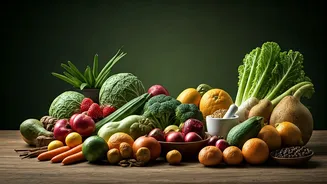
Not long ago, urban Indian grocery stores and cafes began to look a lot like those in Los Angeles or New York. Shelves overflowed with quinoa from Peru, chia seeds from Mexico, and avocados that traveled thousands of miles. Instagram feeds were filled
with smoothie bowls topped with goji berries. This was the peak of the globalized superfood trend, where wellness was often equated with expensive, imported, and exotic ingredients. But a growing number of young Indians began asking critical questions: Why are we paying a premium for quinoa when we have our own ancient grains? Why import kale when local greens are more nutritious and sustainable? This quiet skepticism has blossomed into a full-blown movement. It's a rejection of the one-size-fits-all approach to health and a celebration of the foods that have nourished generations of Indians for centuries. The trend isn't just about saving money; it's a conscious choice to prioritize local, seasonal, and culturally relevant nutrition.
Meet the Desi All-Stars
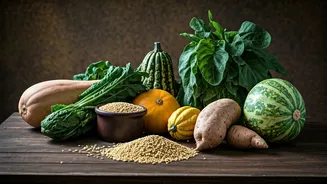
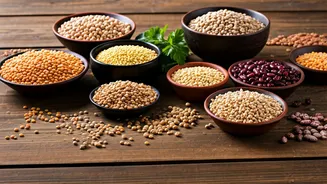
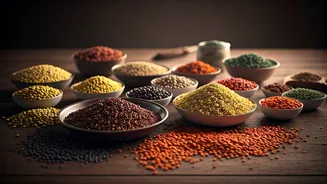
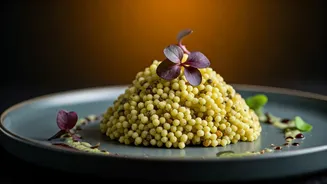
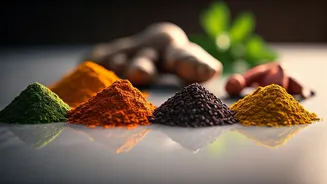
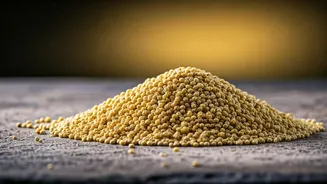
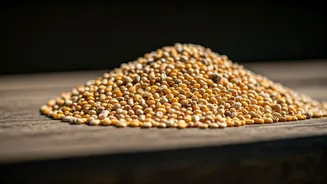
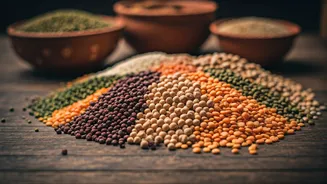
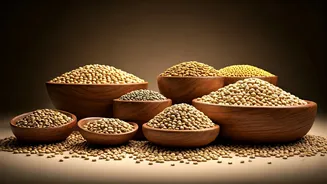
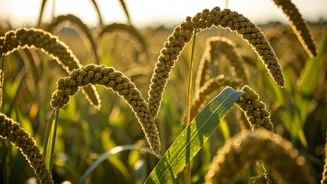
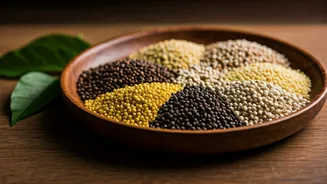
The stars of this culinary renaissance aren't new discoveries; they're humble, everyday ingredients being seen in a new light. Instead of quinoa, people are turning to a variety of millets like ragi (finger millet), jowar (sorghum), and bajra (pearl millet). These drought-resistant grains are gluten-free, high in fiber, and packed with micronutrients. They’re being used to make everything from modern breakfast porridges to traditional flatbreads. Chia seeds are being swapped for sabja (basil seeds), a traditional cooling agent used in drinks like falooda, which has similar gelatinous properties and is rich in fiber. The much-hyped moringa, sold as expensive powders in the West, is simply the drumstick tree, a fixture in Indian backyards whose leaves, flowers, and pods are nutritional powerhouses. Similarly, amla (Indian gooseberry), a small, tart fruit with one of the highest concentrations of Vitamin C on the planet, is gaining favor over imported berries. These ingredients aren't just substitutes; they are often better suited to the local climate and body constitution, according to traditional Ayurvedic principles.
A Recipe for Cultural Pride
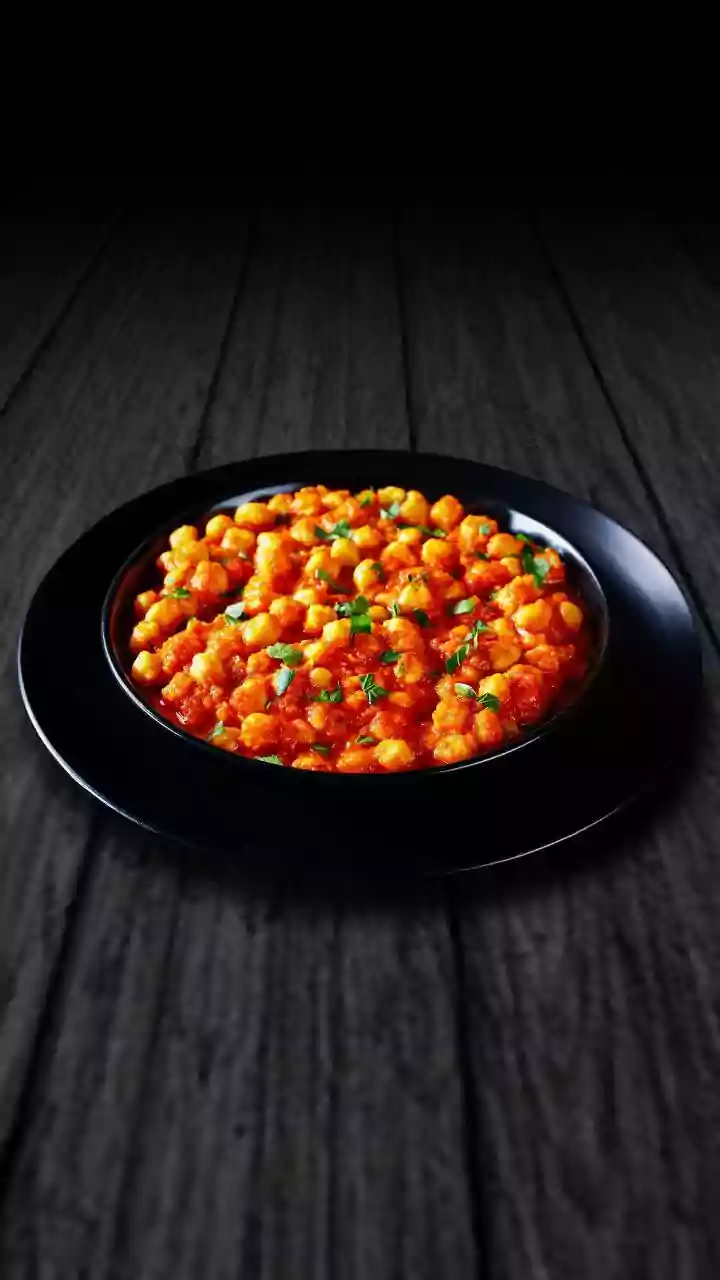
This dietary shift is deeply intertwined with a larger cultural awakening. For many, choosing desi ingredients is a way of decolonizing their plates and their minds. It's a pushback against the post-colonial mindset that often values Western imports over indigenous resources. Eating local millets isn't just a health choice; it's a political statement that supports local farmers, reduces carbon footprints, and preserves agricultural biodiversity. There’s a newfound pride in the wisdom of grandmothers, who always knew that a simple bowl of khichdi (a rice and lentil dish) was a complete meal or that a turmeric-infused milk was the best remedy for a cold. This isn't about romanticizing the past but about integrating time-tested knowledge with modern nutritional science. The movement says that true wellness isn't something you can import; it's something you cultivate from the soil beneath your feet.
From Grandma's Kitchen to Instagram's Feed
The trend has been massively amplified by a new wave of Indian nutritionists, chefs, and social media influencers who are championing local food. Figures like nutritionist Rujuta Diwekar have become household names by telling people to “eat what your grandma ate.” They debunk Western diet fads and provide scientific backing for traditional eating habits. Chefs are creating innovative menus that put millets, local greens, and forgotten vegetables at the center of fine dining. On Instagram and YouTube, young creators are sharing modern recipes for ancient ingredients, showing that desi food can be both healthy and cool. This digital-savvy generation is using modern tools to revive and celebrate age-old traditions, making them accessible and appealing to their peers. They are proving that the path to modern wellness may just lead back home.