


1. The Spectacular Hemis Festival
Imagine a kaleidoscope of color and sound echoing through a Himalayan valley. That’s the Hemis Tsechu, the monastery’s main event and a massive draw for both locals and travelers. Held annually to honor Guru Padmasambhava, the 8th-century sage credited
with bringing Buddhism to Tibet, this two-day festival is a cultural spectacle. Monks don elaborate silk costumes and intricate, sometimes terrifying, masks to perform the 'cham,' or sacred masked dances. These aren't just performances; they are profound religious rituals depicting the triumph of good over evil. The festival culminates in the breaking of a ceremonial clay idol, symbolizing the destruction of the ego. For many visitors, witnessing the energy, devotion, and pageantry of Hemis Tsechu is a once-in-a-lifetime experience that solidifies the monastery's place on the map.
2. Its Status as a Royal Monastery
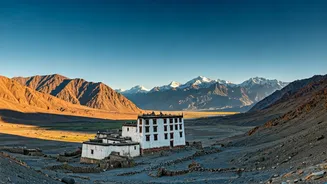
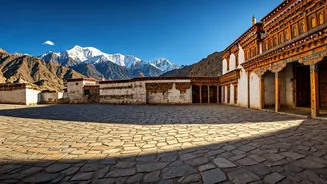
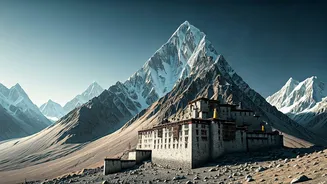
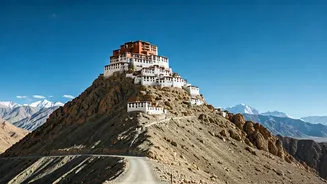
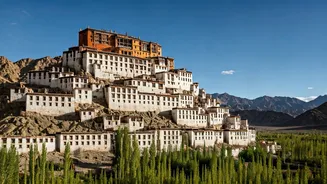
Hemis isn't just old; it’s important. Founded in the 1630s under the patronage of the Ladakhi King Sengge Namgyal, it was established as the main seat of the Drukpa Kagyu lineage of Tibetan Buddhism in the region. Think of it as the Vatican City for this specific school of thought. This royal backing gave it immense wealth, land, and influence that other monasteries simply didn't have. It's the spiritual headquarters, responsible for overseeing hundreds of other smaller gompas across the Himalayas. This hierarchical importance means it’s not just a historical site but a living, breathing center of religious authority. Its sprawling complex, hidden from the main road up a winding gorge, feels less like a simple place of worship and more like a fortified spiritual kingdom.
3. A Museum of Priceless Treasures
Behind the monastery's ancient walls lies one of the most astounding collections of Buddhist artifacts in the world. The on-site museum is a treasure trove, safeguarding centuries of art and history. You’ll find exquisite copper-gilt statues, sacred scrolls known as thangkas painted with mineral-based colors, and a variety of ceremonial objects. The crown jewel, however, is a gigantic thangka—a silk appliqué scroll so large it takes dozens of monks to unfurl. This specific piece, depicting Guru Padmasambhava, is only displayed to the public once every 12 years during a special festival, an event that draws pilgrims from all over the globe. This collection not only underscores the monastery’s historical wealth but also serves as a vital library of Himalayan Buddhist art and culture.
4. The Enduring (and Controversial) Western Myth
Part of Hemis's fame, particularly in the West, stems from a controversial and largely debunked 19th-century story. In 1894, a Russian journalist named Nicolas Notovitch published a book called "The Unknown Life of Jesus Christ," in which he claimed to have discovered ancient manuscripts at Hemis detailing Jesus's "lost years." According to his account, a teenaged Jesus traveled to India and studied with Buddhist and Hindu masters before returning to Judea. This story caused a sensation in Europe and America, and for over a century, has fueled a stream of curious visitors and esoteric seekers to Hemis. While scholars and the monastery itself have consistently refuted Notovitch's claims—no such manuscript has ever been produced—the legend has stubbornly attached itself to Hemis, adding a layer of mystery and international intrigue that no other monastery in Ladakh can claim.