

Redefine ‘Light’ as ‘Efficient’
The minimalist travel movement isn’t about deprivation; it’s about strategic efficiency. The goal isn’t to see how much you can leave behind, but to ensure every single item you pack serves a distinct, and often multiple, purpose. Recklessness enters
the picture when you prioritize an empty bag over a functional one. Instead of asking, “Can I get by without this?” start asking, “What is the most compact, effective, and multi-purpose version of this essential item?” This mindset shift is the foundation of smart, light travel. It’s the difference between a merino wool t-shirt that works for a hike or a nice dinner and a flimsy cotton tee that’s only good for one thing.
The Non-Negotiable First-Aid Kit
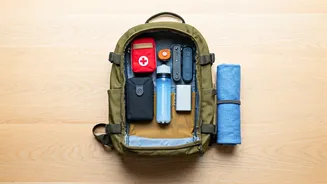
This is where many aspiring light packers go wrong. A bulky, pre-made first-aid kit is an easy target for elimination. But going without one is reckless. The solution is to build your own minimalist kit. Start with a small, durable pouch. Inside, pack single-serving packets of essentials: antiseptic wipes, pain relievers (ibuprofen or acetaminophen), antihistamines for allergic reactions, and adhesive bandages in various sizes. Add a small tube of antibiotic ointment, some blister treatment like Moleskin, and any personal prescription medications. This custom kit can weigh just a few ounces but is invaluable when a headache strikes, a blister forms, or a small cut needs attention far from a pharmacy.
Master Your Document Strategy
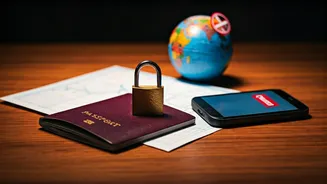
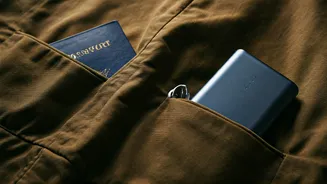
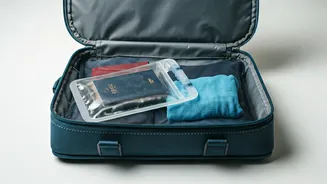
Losing your passport or wallet is a travel nightmare that no packing cube can solve. Traveling light means being hyper-organized with your documents, not leaving them to chance. Your 'document trinity' consists of physical copies, digital cloud-based copies, and photos on your phone. Before you leave, photograph your passport, driver’s license, credit cards (front and back), and any travel visas. Save these images in a secure cloud service (like Google Drive or Dropbox) and also keep them in a locked folder on your phone, accessible offline. Keep a single photocopy of your passport in a separate part of your luggage from the actual document. This redundancy ensures that even if you lose everything, you have the necessary information to contact embassies and cancel cards.
Tech That Doubles as a Lifeline
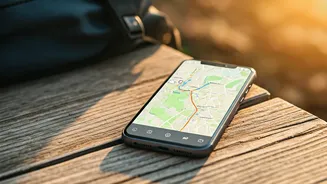
Your smartphone is already a multi-tool, but its utility plummets with a dead battery. A slim, high-capacity power bank isn't a luxury; it's a core piece of your safety gear. It keeps your navigation, communication, and emergency information accessible. Before your trip, download offline maps of your destination through Google Maps or an app like Maps.me. This ensures you can find your way back to your hotel or the nearest embassy even without a data connection. Also, save the local emergency number (it’s not always 911) and the address of your country’s embassy or consulate as a note on your phone. Your tech isn't just for Instagram—it's your map, your translator, and your call for help.
Strategic Clothing, Not Just Less Clothing
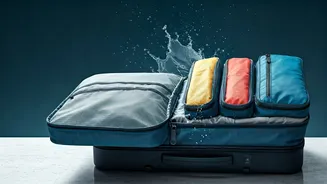
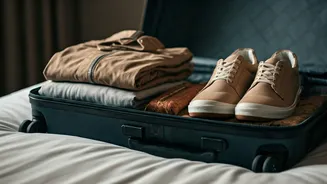
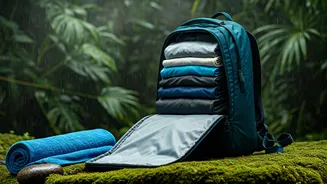
The 'reckless' packer brings only shorts and t-shirts to a destination with unpredictable weather. The 'smart' packer brings a system. The three-layer principle is a traveler’s best friend. First, a moisture-wicking base layer (merino wool or a quality synthetic) keeps you dry. Second, an insulating mid-layer (like a packable fleece or lightweight down jacket) provides warmth. Third, a waterproof and windproof outer shell protects you from the elements. These three pieces can be combined in numerous ways to handle a surprisingly wide range of temperatures and conditions, from a cool evening to a sudden downpour, all while taking up minimal space in your bag.