




The Search for Slower, Quieter Escapes
In the wake of a global pandemic that rewired our priorities, the very definition of a great vacation is changing. The frantic, checklist-driven trip is giving way to a desire for something slower, more intentional, and less crowded. Travelers are increasingly
reporting burnout from 'over-tourism' in traditionally popular domestic and international hotspots. They're seeking authenticity over spectacle and connection over consumption. The Northeast, with its vast tracts of undeveloped nature, quaint small towns that feel frozen in time, and a distinct lack of mega-resorts, perfectly fits this new paradigm. It offers a chance to disconnect from the hustle and reconnect with a simpler, more deliberate pace of life.
A Cool Refuge in a Warming World
There's also a practical, climate-driven reason for the Northeast's rising appeal. As summer temperatures soar to uncomfortable and even dangerous levels across the South and Southwest, the prospect of a vacation without relentless heatwaves is becoming a luxury. New England and the broader Northeast offer a welcome respite. The region's typically milder summers, cool mountain air, and refreshing coastal breezes make it an increasingly strategic choice for summer travel. Instead of seeking refuge indoors with air conditioning, visitors can comfortably spend their days hiking, kayaking, or simply strolling through a shaded town green. This 'climate refuge' tourism is no longer a niche idea but a tangible factor shaping American travel patterns.
Coastal Maine: More Than Just Lobster
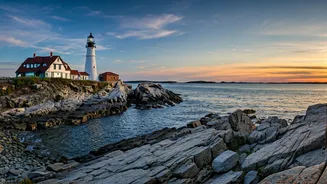
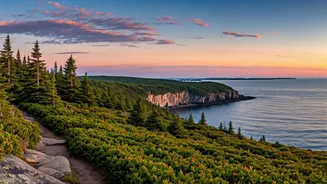
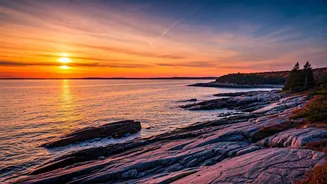
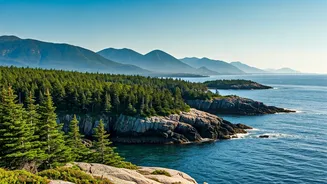
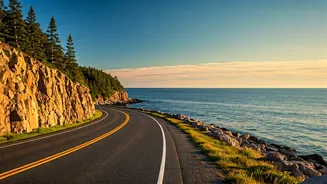
While Portland has rightfully earned its reputation as a culinary powerhouse, the trend is pushing travelers further up the famously rugged coastline. Beyond the iconic lobster shacks, visitors are discovering the quiet coves and artsy enclaves of the Mid-Coast region, from the maritime history of Bath to the galleries of Rockland. The primary draw remains the raw, unspoiled beauty—best experienced in Acadia National Park, where granite cliffs meet the crashing Atlantic. The appeal is in the simplicity: a morning hike up Cadillac Mountain, an afternoon exploring tide pools, and an evening spent watching the stars emerge over a harbor filled with fishing boats.
Vermont: The Green Mountain Ethos
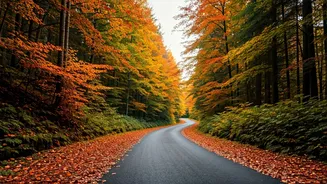
Vermont has long been synonymous with fall foliage and winter sports, but its summer and spring seasons are gaining serious traction. The state's appeal is rooted in a powerful ethos of localism and nature. This isn't just a marketing slogan; it's a way of life. Travelers come for the farm-to-table restaurants where the menu is dictated by the morning's harvest, the world-class craft breweries tucked into unassuming barns, and the hundreds of miles of pristine hiking and biking trails. Towns like Stowe, Woodstock, and Burlington offer a perfect blend of sophisticated amenities and easy access to the deep tranquility of the Green Mountains, providing an escape that feels both restorative and deeply authentic.
The Berkshires: Where Culture Meets Country
Nestled in the rolling hills of Western Massachusetts, the Berkshires have long been a discreet getaway for those in the know. Now, the secret is getting out. This region offers a unique proposition: world-class culture set against a bucolic backdrop. You can spend an evening listening to the Boston Symphony Orchestra at its summer home, Tanglewood, and the next morning hike a portion of the Appalachian Trail. You can explore contemporary art at MASS MoCA in North Adams and then spend the afternoon swimming in a placid lake. It’s this blend of high culture and low-key country living that makes the Berkshires a compelling destination for travelers who want more than just a pretty view.