


1. Performance Fabrics Are the New Standard
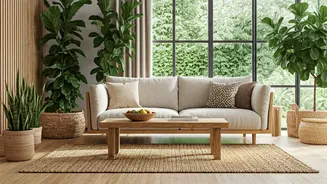
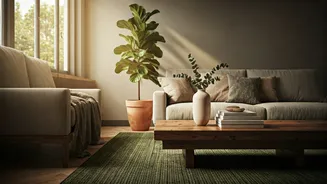
The era of covering a beautiful sofa with a mismatched throw blanket to protect it from muddy paws is officially over. Today’s pet parents are choosing furniture upholstered in performance fabrics from the start. Materials like Crypton, Sunbrella, and
even tight-weave velvets and leathers are designed to resist stains, moisture, odors, and claws. These aren't the stiff, plastic-y textiles of the past; they’re soft, stylish, and available in every conceivable color and texture. The new rule is simple: if it can’t withstand a surprise zoomie session or a spilled water bowl, it doesn’t belong in a modern pet-friendly home. This shift allows for a cohesive, intentional aesthetic where durability doesn’t require sacrificing style.
2. Creating a Curated (and Safe) Indoor Jungle
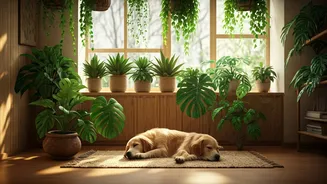
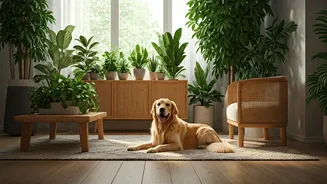
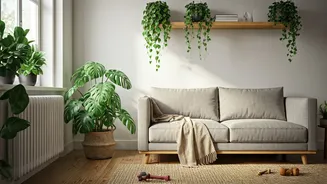
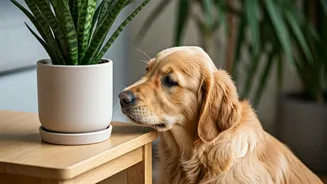
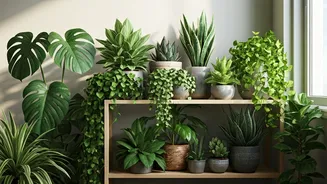
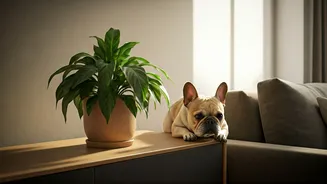
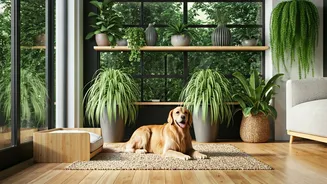
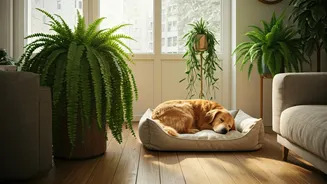
The parallel rise of the “plant parent” and “pet parent” has created a unique design challenge: how to have a lush, green home that won’t harm your curious cat or dog. The solution lies in curation and clever placement. Designers and homeowners are becoming well-versed in pet-safe plants like spider plants, prayer plants, and most ferns. Toxic-but-beautiful plants like monsteras or fiddle-leaf figs aren't being banished; they're simply being elevated. Strategic use of high shelves, hanging planters, and dedicated plant rooms keeps dangerous leaves out of reach. This approach creates vertical interest and designated green zones, turning potential hazards into thoughtful design moments that protect every living thing in the house.
3. Integrating Pet Furniture as Architecture
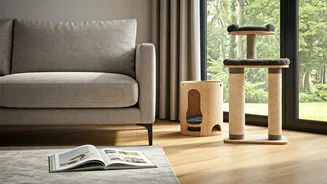
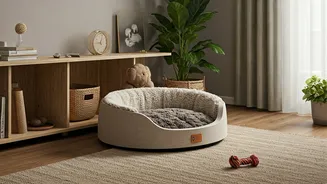
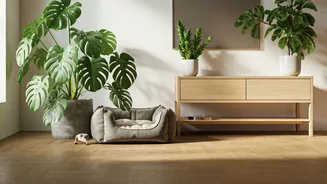
A wire crate in the corner or a food bowl kicked against the wall is no longer the default. The most forward-thinking trend is “barkitecture”—the integration of pet needs directly into the home’s structure. This includes custom millwork with built-in dog beds, kitchen islands with dedicated feeding stations, and mudrooms designed with dog-washing showers. For cat owners, it means stylish wall-mounted climbing shelves that double as art installations, or elegant cabinetry that cleverly hides the litter box while providing ventilation. This isn't about hiding the pet; it's about celebrating their place in the family by giving them beautiful, functional, and permanent spaces of their own.
4. Rethinking Flooring for Paws and Claws
Flooring is the foundation of any room, and for pet owners, it’s the first line of defense. Wall-to-wall carpeting, once a suburban staple, is increasingly being replaced with hard surfaces that are easier to clean and more durable. Luxury vinyl plank (LVP) has become a superstar in this category, offering a waterproof, scratch-resistant surface that convincingly mimics the look of hardwood. Other popular choices include sealed concrete, tile, and engineered hardwood with tough, factory-applied finishes. For those who still want softness underfoot, the solution is the area rug. A large, patterned, low-pile rug can anchor a room and is far easier to deep clean or replace than an entire floor of carpeting.
5. Smart Storage for a Clutter-Free Life
A life with pets and plants comes with an abundance of stuff: leashes, toys, bags of soil, watering cans, grooming tools, and oversized bags of kibble. Instead of letting this paraphernalia create clutter, design-savvy pet parents are planning for it. Entryways are being outfitted with dedicated cabinets or hooks for walk-related gear. Ottomans with hidden storage become toy chests. Pantries are designed with heavy-duty pull-out shelves for pet food containers. By treating pet and plant supplies with the same organizational respect as kitchenware, homeowners maintain a serene and orderly environment where everything has its place, keeping the focus on the joy—not the mess—of their companions.