





First, What Is 'Granny Chic'?
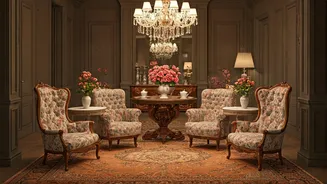
Before you picture dusty doilies and plastic-covered sofas, let’s clarify. “Granny Chic,” also known in design circles as “Grandmillennial” style, isn’t about recreating your grandmother’s house verbatim. It’s a highly curated, artful interpretation of it.
Think layered patterns—florals paired with stripes, toile next to plaid. Imagine walls adorned with vibrant, botanical wallpaper, rooms filled with mismatched but complementary vintage furniture, and shelves brimming with books, curios, and heirloom-quality ceramics. It’s a style that feels collected over time, not ordered from a single catalog. The key is in the mix: traditional silhouettes, rich textures, and a confident use of color create a space that feels personal, storied, and deeply comfortable.
The Antidote to Corporate Cool
For years, luxury hospitality followed a predictable script: sleek, impersonal, and minimalist. The aesthetic, born from a corporate desire for scalable and inoffensive design, resulted in countless hotels that felt interchangeable, whether you were in Miami or Milan. Granny Chic is a direct and deliberate rebellion against this soullessness. Boutique hotels thrive on offering a unique sense of place and personality, something impossible to achieve with a cookie-cutter design language. By embracing a style that feels residential and idiosyncratic, these hotels offer an experience that’s fundamentally different. They feel less like a temporary lodging and more like a guest room in the magnificent home of a very stylish, well-traveled friend.
Curated Comfort, Not Actual Clutter
The magic of this trend in a luxury context is the execution. This isn't a thrift-store jumble; it's a masterclass in high-low mixing, executed by world-class designers. Perhaps no one is more synonymous with this look than Kit Kemp, co-owner and design director of the Firmdale Hotels in London and New York. Her properties, like The Whitby or Crosby Street Hotel, are explosions of joyous color, pattern-on-pattern textiles, and bespoke art. Every element, from the fabric-covered walls to the quirky headboards, is deliberately chosen to create a cohesive, immersive world. The furniture might look vintage, but the mattress is state-of-the-art. The teacup might be floral porcelain, but the Wi-Fi is lightning-fast. It’s the fantasy of heirloom charm without any of the old-fashioned inconveniences.
Engineered for the Instagram Age
While the aesthetic feels nostalgic, its success is deeply rooted in the present. In a minimalist hotel, there are only a few good spots for a photo. In a Granny Chic hotel, *every* corner is a potential Instagram post. The maximalist, visually dense environments are content goldmines. The velvet armchair against a backdrop of statement wallpaper, the artfully arranged bookshelf, the whimsical tile in the bathroom—each detail is a vignette waiting to be captured and shared. This provides hotels with invaluable, organic marketing. Guests become brand ambassadors, showcasing the hotel’s unique character and creating a powerful sense of FOMO (fear of missing out) that drives bookings from travelers seeking photogenic, experience-rich stays.
Redefining the Meaning of Luxury
Ultimately, the dominance of Granny Chic points to a broader shift in what modern travelers consider luxurious. Luxury is no longer just about expense or exclusivity; it’s about emotion, authenticity, and storytelling. A stay in a hotel that feels layered with history (even if fabricated) and personality provides a much richer emotional payoff than one defined by cold marble and empty space. It offers a sense of discovery and delight. This trend taps into a collective desire for comfort and stability in a chaotic world. It’s a warm, welcoming hug in hotel form, promising not just a place to sleep, but a place that feels like a home—only far more glamorous.