
Sunlight on Your Schedule
Let’s reframe the word “lazy.” In the context of modern life, it often means “efficient.” A grow light is the ultimate efficiency hack for plant care. It liberates you from the tyranny of the sun. Your apartment faces a brick wall? Your desk is ten feet
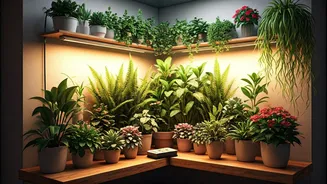
from the nearest window? You live in a region where winter means perpetual gray skies? None of it matters. A grow light provides consistent, reliable “sunshine” exactly where you want it, for as long as you want it. This isn't cheating; it's creating a controlled environment. Natural sunlight is variable—cloudy days, changing seasons, and the sun’s shifting path all affect your plants. A grow light offers unwavering brightness on a timer, giving your finicky fiddle-leaf fig the steady diet of light it craves without you having to chase sunbeams around your living room. It’s the set-it-and-forget-it solution that busy (or, yes, lazy) plant parents have been waiting for.
Decoding the Tech (Without a PhD)
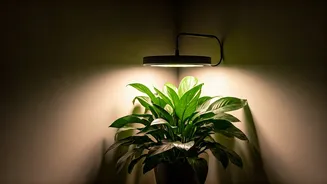
The term “grow light” can conjure images of complex, industrial-looking setups. The reality is much friendlier. Today's grow lights are designed for home use, often looking like stylish desk lamps, sleek light strips, or even simple screw-in bulbs. The key concept to know is “full-spectrum.” Plants use different wavelengths of light for different processes—blue light for leafy growth and red light for flowering and fruiting. A full-spectrum light provides a balanced diet of all the wavelengths a plant needs to photosynthesize effectively, mimicking the sun’s natural output. For 99% of houseplant owners, a full-spectrum LED light is the perfect choice. LEDs are energy-efficient, they don't get hot enough to scorch leaves, and they last for years. You don’t need to understand the science of PAR values or lumens unless you’re running a commercial greenhouse. Just look for “full-spectrum LED” and you’re on the right track.
How to Pick Your Perfect Glow
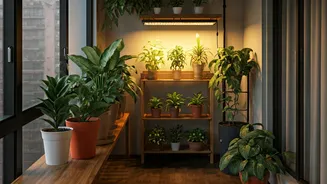
Choosing a grow light is less about the technology and more about your space and your plants. Think about what you need. Do you have a single, sad-looking succulent on your bookshelf? A simple clip-on lamp with a single adjustable head might be perfect. Looking to illuminate a collection of herbs on a kitchen counter? A sleek, unobtrusive light strip mounted under a cabinet is a great option. Have a larger statement plant like a monstera that needs a boost? A stylish floor lamp with a grow bulb in it can blend seamlessly with your decor. The most popular options are single bulbs that fit into any standard E26 socket (the one in most U.S. lamps), giving you total freedom. You can turn that cool vintage lamp you found at the thrift store into a life-giving machine. Don't overthink it: start with your plant’s location and pick the light fixture that fits the aesthetic and the space.
Simple Rules for Success
Once you have your light, using it is incredibly simple. First, consider distance. A good rule of thumb for most LED grow lights is to place them 6 to 12 inches away from the plant's foliage. Too close and you risk scorching the leaves (though less likely with LEDs); too far and the light becomes ineffective. Second, timing is everything. Most houseplants thrive on 12 to 16 hours of light per day. The easiest way to manage this is with a cheap outlet timer, which you can find at any hardware store for a few dollars. Set it to turn on in the morning and off in the evening. This consistency helps regulate the plant’s cycle. Finally, remember that light is just one part of the equation. A grow light won’t save a plant you’re chronically overwatering or that’s planted in terrible soil. It’s a powerful tool, not a magic wand, but it’s the one tool that can solve the most common problem for indoor gardeners.