


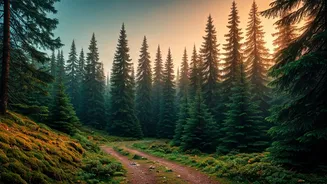


An Unplugged State of Mind
The term “slow travel” gets thrown around a lot, but Tirthan Valley is where you can truly live it. Nestled in the Kullu district of Himachal Pradesh, this destination isn't about ticking off a checklist of sights. It’s about recalibrating your internal
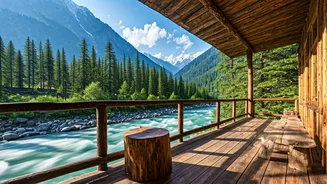
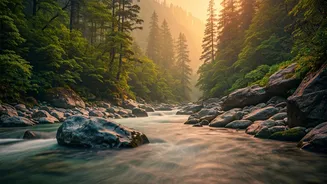
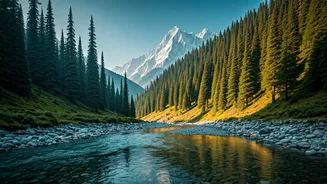
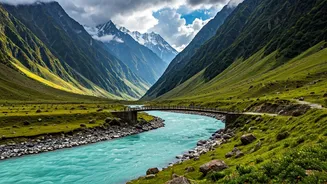
clock to the rhythm of the river that flows through it. Here, the goal isn't to see everything, but to fully experience the few things you choose to do. The Wi-Fi is spotty, the cell service is intermittent, and that’s the entire point. It’s a forced digital detox that encourages you to look up from your screen and engage with the pine-scented air, the sound of the rushing Tirthan River, and the quiet grandeur of the surrounding mountains. It’s a destination that rewards patience and presence over hustle.
The Heart of a UNESCO World Heritage Site
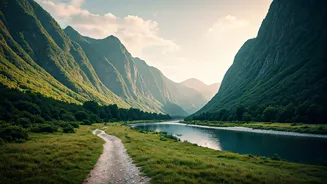
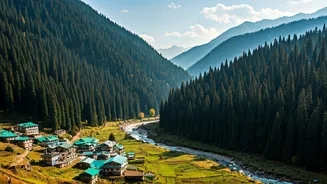
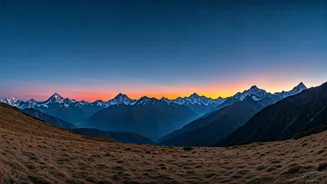
Part of the valley’s magic comes from its location on the edge of the Great Himalayan National Park, a UNESCO World Heritage Site recognized for its incredible biodiversity. This protected status has insulated Tirthan from the rampant commercialization seen in other popular Himalayan towns. You won’t find sprawling international hotel chains or bustling market streets here. Instead, the landscape is dominated by terraced fields, dense deodar forests, and small, storybook villages. The park itself is a trekker’s paradise, but even if you don't venture deep inside, its pristine influence is felt everywhere. The air is cleaner, the water is clearer, and the entire valley feels like a protected sanctuary, a pocket of the world that has been purposefully preserved.
Living with the Locals
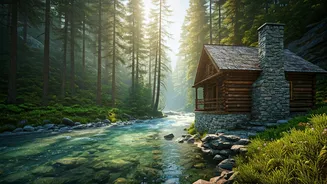
The defining experience of a trip to Tirthan is staying in a local homestay. These aren't just rustic alternatives to hotels; they are the heart of the valley’s tourism model. Families have opened their traditional wood-and-stone homes to visitors, offering a profound and authentic cultural exchange. You’ll eat home-cooked meals—simple, seasonal, and delicious—often made with ingredients grown in the family's own garden. You’ll share stories over chai with your hosts, learn about the local customs of the Kullavi people, and gain an appreciation for a way of life that is deeply connected to the land. This isn't manufactured hospitality; it's genuine warmth that makes you feel less like a tourist and more like a welcome guest.
Activities at Nature's Pace
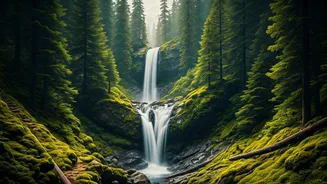
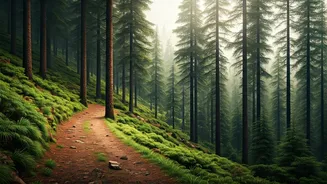
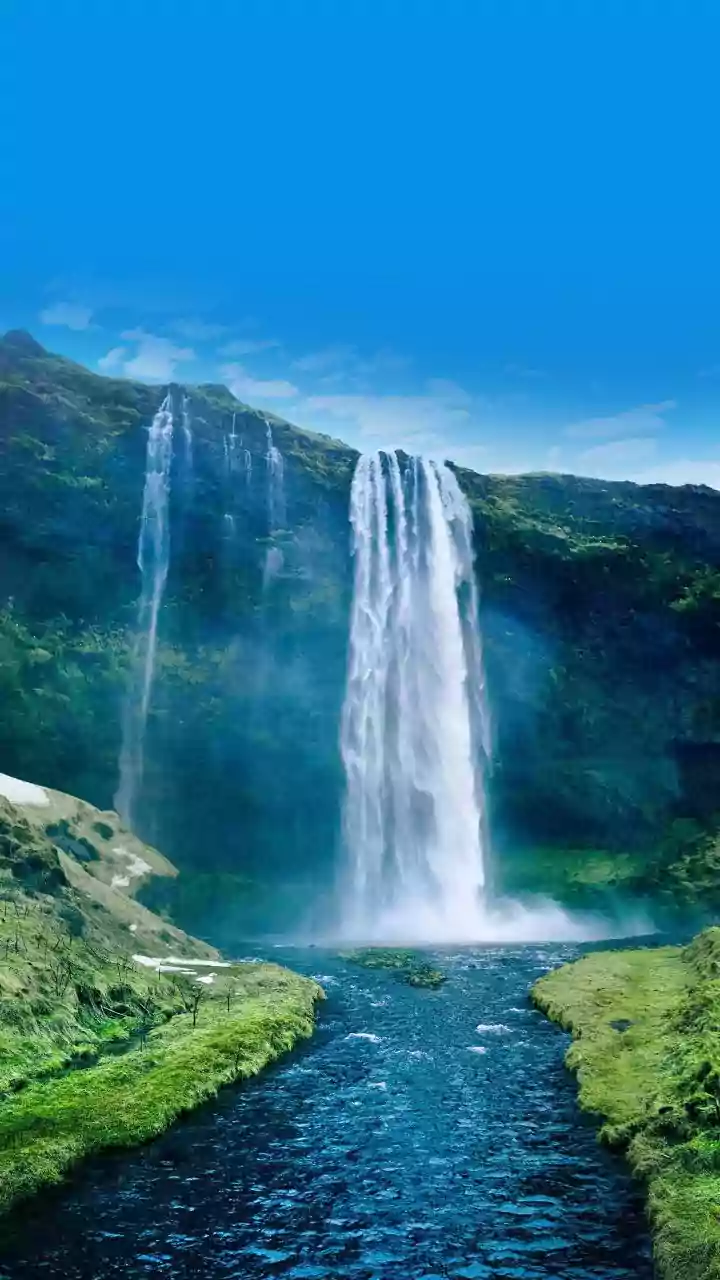
In Tirthan, your daily agenda is dictated by sunlight and curiosity, not a rigid itinerary. The most popular activity is doing very little at all—finding a smooth rock by the river and spending an afternoon reading a book. For those seeking gentle movement, there are countless trails that meander through the forest, leading to hidden waterfalls or panoramic viewpoints. These aren't strenuous, high-altitude expeditions but leisurely walks that allow you to notice the details: the flutter of a rare bird, the texture of moss on a tree, the scent of wildflowers. The valley is also famous for its trout fishing, an exercise in patience and quiet contemplation. Each activity, whether it’s walking to the next village or angling in the river, encourages a meditative pace.
A Different Definition of Luxury
For the modern American traveler, luxury is often synonymous with thread counts and infinity pools. Tirthan Valley offers a different, more soulful kind of opulence. Here, luxury is the sound of absolute silence at night, punctuated only by the distant rush of the river. It’s drinking water straight from a mountain spring. It’s eating a meal prepared with love and ingredients harvested that same day. It’s the luxury of time—time to think, to wander without a destination, and to connect with nature and people in a meaningful way. It reminds you that the greatest luxuries are often the simplest things: clean air, starry skies, and a sense of profound peace.