





The Gut Health Gold Rush
First, let's be clear: the hype isn't entirely baseless. Our gut microbiome—the trillions of bacteria and other microbes living in our digestive tract—is incredibly important. A healthy, diverse microbiome is linked to everything from better digestion
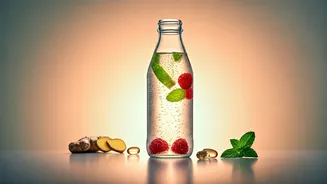
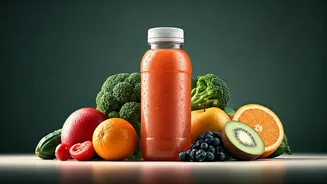
and a stronger immune system to improved mood and reduced inflammation. Probiotics are the “good” live bacteria that, when consumed in adequate amounts, can offer a health benefit. The idea behind probiotic drinks is to deliver these beneficial microbes directly to your gut, reinforcing your internal army. It’s a compellingly simple solution to a complex biological system, which explains why the market has exploded.
The Problem with a Drinkable Fix
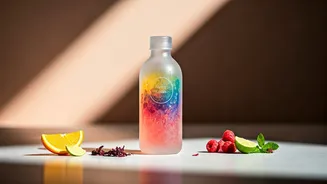
Here's where the promise meets reality. While the concept is sound, a commercial beverage is a tricky delivery system for live organisms. First, there's the question of survival. Probiotic bacteria must survive the acidic environment of your stomach to reach your intestines where they do their work. Many commercial products may not contain strains robust enough to make the journey. Second, dosage and diversity matter. A truly effective probiotic dose is measured in billions of Colony Forming Units (CFUs), but many drinks don't guarantee a specific amount or list the specific strains used. You might be getting a splash of good bacteria or a lot less. Finally, many popular probiotic drinks are loaded with sugar to make them more palatable, which can feed the “bad” bacteria you’re trying to manage, partially negating the benefits.
Your Gut Needs More Than a Beverage
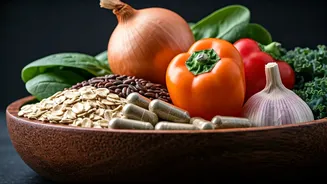
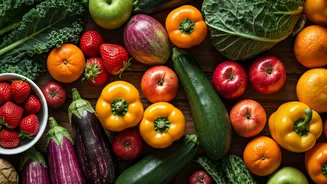
Relying on a single drink for gut health is like expecting one superfood to counteract a diet of fast food. It’s a flawed strategy. The single most important factor for a healthy microbiome is diet, and specifically, fiber. Probiotics are the live bacteria; prebiotics are the food they eat. Prebiotic fiber—found in foods like onions, garlic, bananas, oats, and asparagus—is what nourishes and encourages the growth of the beneficial bacteria already living in your gut. Without a steady supply of diverse, fiber-rich plant foods, you’re not giving your native gut bacteria the fuel they need to thrive. Think of it this way: you can keep adding new fish (probiotics) to a tank, but if you don't feed them (prebiotics), the ecosystem will never flourish.
Building a Truly Resilient Gut
A healthy gut isn't built in the beverage aisle; it's the result of a holistic lifestyle. Beyond diet, other factors play a massive role. Chronic stress, for example, can negatively alter your gut microbiome composition. Prioritizing stress-management techniques like mindfulness, meditation, or simply spending time in nature can have a real, positive impact. Similarly, poor sleep is a major disruptor of gut health. Aiming for 7-9 hours of quality sleep per night is one of the best things you can do for your microbial allies. Regular exercise also promotes a more diverse and robust microbiome. The takeaway is that gut health isn't a product you can buy; it's a practice you cultivate through daily habits.