
The Age of Performative Plating
For the better part of a decade, a certain kind of visual ruled our plates. Driven by the rise of Instagram and the aspirational perfection it peddled, food became a medium for meticulous, often stressful, artistry. This was the era of the avocado rose,
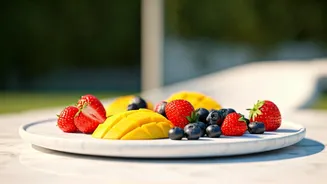
the smoothie bowl with geometrically perfect fruit slices, and the dollop of sauce smeared into a flawless swoosh with the back of a spoon. Every component had its place, often put there with tweezers. Microgreens were less a garnish and more a final, painstaking flourish on a canvas that couldn't have a single leaf out of place. It was beautiful, but it was also rigid. This style communicated effort and control, suggesting a kitchen experience that was more like a design studio than a place of nourishment and joy. It was food as performance art, and frankly, it was getting a little exhausting.
Enter the ‘Artfully Undone’ Look
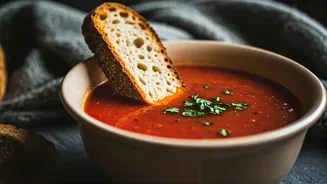
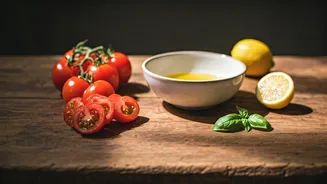
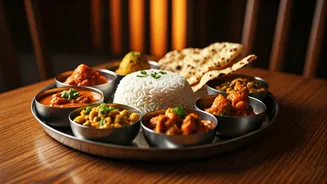
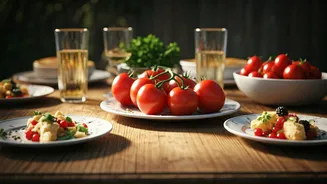
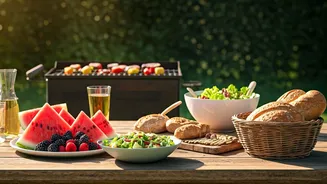
The pendulum has officially swung. The new aesthetic taking over restaurants and home kitchens is looser, more organic, and infinitely more relaxed. Think less about precision and more about confidence. It’s about letting beautiful ingredients speak for themselves. This is the summer of the “plop and drizzle,” where a dollop of creamy burrata is set on a plate and surrounded by casually torn basil leaves and glistening, imperfectly halved tomatoes. It’s the rustic, rough-torn hunk of sourdough next to a bowl of soup, not a perfectly sliced baguette. Sauces are drizzled, not painted. Salads are gently tossed and piled, not constructed. Chefs are calling it “sprezzatura on a plate”—a term borrowed from Italian Renaissance literature meaning a kind of studied carelessness that conceals conscious effort. It looks effortless because the focus has shifted from an obsession with perfect lines to an appreciation for texture, color, and the natural form of the food itself.
A Reflection of a Broader Cultural Shift
This isn't just happening in a culinary vacuum. The move away from heavy-handed plating is part of a larger cultural fatigue with the pressure to be perfect. We’ve seen it across social media with the rise of unfiltered photo dumps, the celebration of “lazy girl jobs,” and the embrace of authenticity over aspiration. People are tired of the performance. The same mindset now applies to food. No one wants to spend 20 minutes arranging a salad that will be eaten in five. This new, lighter visual approach celebrates the simple fact that food is meant to be eaten and enjoyed, not just photographed. It’s an aesthetic that values comfort, ease, and reality over a curated, unattainable fantasy. It suggests that the person who made the dish is confident enough to let good ingredients shine without forcing them into submission.
How to Embrace the Lighter Look
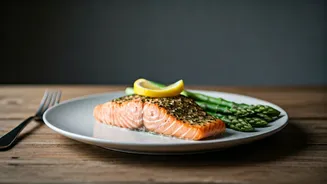
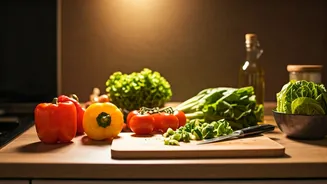
Adopting this style at home isn’t about learning a new set of rules; it’s about unlearning old ones. Start by investing in one or two great ingredients and making them the star. Think a beautiful, peak-season peach, a high-quality olive oil, or flaky sea salt. Let the food have its natural shape. Instead of dicing everything into perfect cubes, try tearing herbs, crumbling feta with your fingers, or smashing cucumbers for a salad to create interesting textures. When you plate, think in gestures: a generous spoonful of yogurt, a tumble of roasted vegetables, a confident drizzle of dressing. Embrace the drips and crumbs—they add life and movement to the plate. The goal isn't to make it look messy, but to make it look alive and inviting. It's about letting go of the idea that your dinner needs to be a flawless work of art and instead treating it like a delicious, beautiful meal you can’t wait to eat.