



Decoding 'Monsoon Growth'
In the natural world, a monsoon brings a deluge of rain, high humidity, and warm temperatures, triggering an explosion of plant life. For your houseplants, “monsoon growth” is a metaphor for achieving that same kind of rapid, vibrant, and incredibly healthy
development. It’s not about overwatering; it's about creating a perfect micro-environment that tells your plant, “It’s safe to grow, and grow big.” This period of intense growth is the ultimate reward for attentive care, a sign that you’ve successfully replicated the best parts of a plant’s native habitat. The secret isn't a complicated fertilizer or a fancy gadget. Instead, it boils down to mastering two fundamental, often-overlooked principles: cleanliness and airiness.
The Power of a Clean Plant
Your plant’s leaves are its solar panels. They are covered in tiny pores called stomata, which are essential for photosynthesis (turning light into energy) and transpiration (breathing). When a layer of household dust, grime, or hard water minerals coats the leaves, it’s like putting a filter over a camera lens. It blocks light, reducing the plant's ability to create food and fuel new growth. A dirty leaf is an inefficient leaf. Furthermore, that layer of dust can become a breeding ground for pests like spider mites, which thrive in dry, grimy conditions and can be difficult to spot until an infestation is well underway. A clean plant not only looks better, with glossy, vibrant foliage, but it also functions better. It can photosynthesize more efficiently, breathe more freely, and is less susceptible to pests, setting the stage for robust health.
How to Properly Clean Your Plants
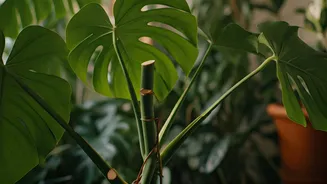
Cleaning your plants should be a regular part of your care routine, just like watering. For smooth-leaved plants like a Fiddle Leaf Fig, Monstera, or Rubber Plant, the method is simple. Gently wipe down the top and bottom of each leaf with a soft, damp cloth. You can use just water, or a very mild solution of water and a drop of dish soap. For plants with many small leaves or delicate foliage, like a Maidenhair Fern or a large pothos, a trip to the shower is often easiest. Use lukewarm water and a gentle spray to rinse the foliage thoroughly. Not only does this wash away dust, but it also gives the plant a welcome humidity boost. For fuzzy-leaved plants like African Violets, avoid getting the leaves wet, which can cause spotting. Instead, use a soft brush, like a mushroom brush or a clean paintbrush, to gently whisk away dust.
The Importance of an 'Airy' Plant
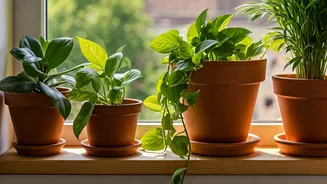
The concept of an “airy” plant applies to two distinct areas: the space around the leaves and the environment around the roots. First, good air circulation around the foliage is crucial. Stagnant, humid air is a primary cause of fungal and bacterial diseases, like powdery mildew. When plants are packed too tightly together, air can’t move freely, creating pockets of stale moisture where problems begin. Proper spacing, opening a window on a mild day, or even running a small fan on low in the room can make a world of difference. This gentle airflow helps leaves dry, discourages pests from settling in, and strengthens stems as the plant subtly moves with the current. This mimics the gentle breezes of a plant's natural environment.
Creating an Airy Home for Roots
Just as important is what happens below the soil. Plant roots need oxygen to survive and function. In dense, compacted soil, water fills all the available space, pushing out air and effectively suffocating the roots. This leads to the dreaded root rot, the number one killer of houseplants. An “airy” potting mix is one that has plenty of space for both moisture and oxygen. Most standard potting soils are too dense on their own. You can dramatically improve them by creating your own mix. A classic, all-purpose recipe is one part potting soil, one part perlite (for aeration), and one part orchid bark (for chunky structure and moisture retention). This blend allows water to drain freely while holding onto enough moisture, and crucially, it ensures that oxygen can always reach the roots. When you repot, your plant will thank you for the upgrade with a stronger root system—the foundation for all that lush, top-side growth.