





First, Where (and What) is Wayanad?
Before we dive into the downpour, let's get oriented. Wayanad is a rural district nestled high in the Western Ghats mountain range in the southern Indian state of Kerala, often called 'God's Own Country.' It's not a single city but a region of misty mountains,
sprawling spice plantations, dense forests, and rice paddies. Known for its natural beauty and biodiversity, it's a haven for trekkers, nature lovers, and anyone looking to escape the urban grind. While it’s a popular domestic tourist spot, for American travelers, it represents a tranquil, less-traveled side of India.
The Off-Season Advantage: Unbeatable Prices
Let’s start with the most compelling part of the headline: it’s cheap. The primary tourist season in Wayanad runs from September to May, when the weather is dry and pleasant. Come June, the monsoon arrives, and tourist numbers plummet. This is your cue. Airlines may offer lower fares to nearby airports like Calicut (CCJ) or Kannur (CNN). More importantly, hotels and resorts, from budget homestays to luxury properties, slash their rates dramatically. It’s not uncommon to find rooms for 30-50% less than their peak-season prices. This isn’t just about saving money; it’s about getting access to higher-end experiences for a mid-range budget.
A World Washed Anew
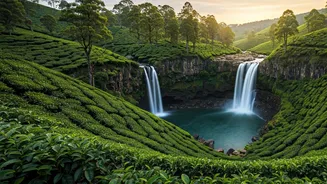
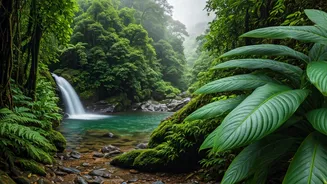
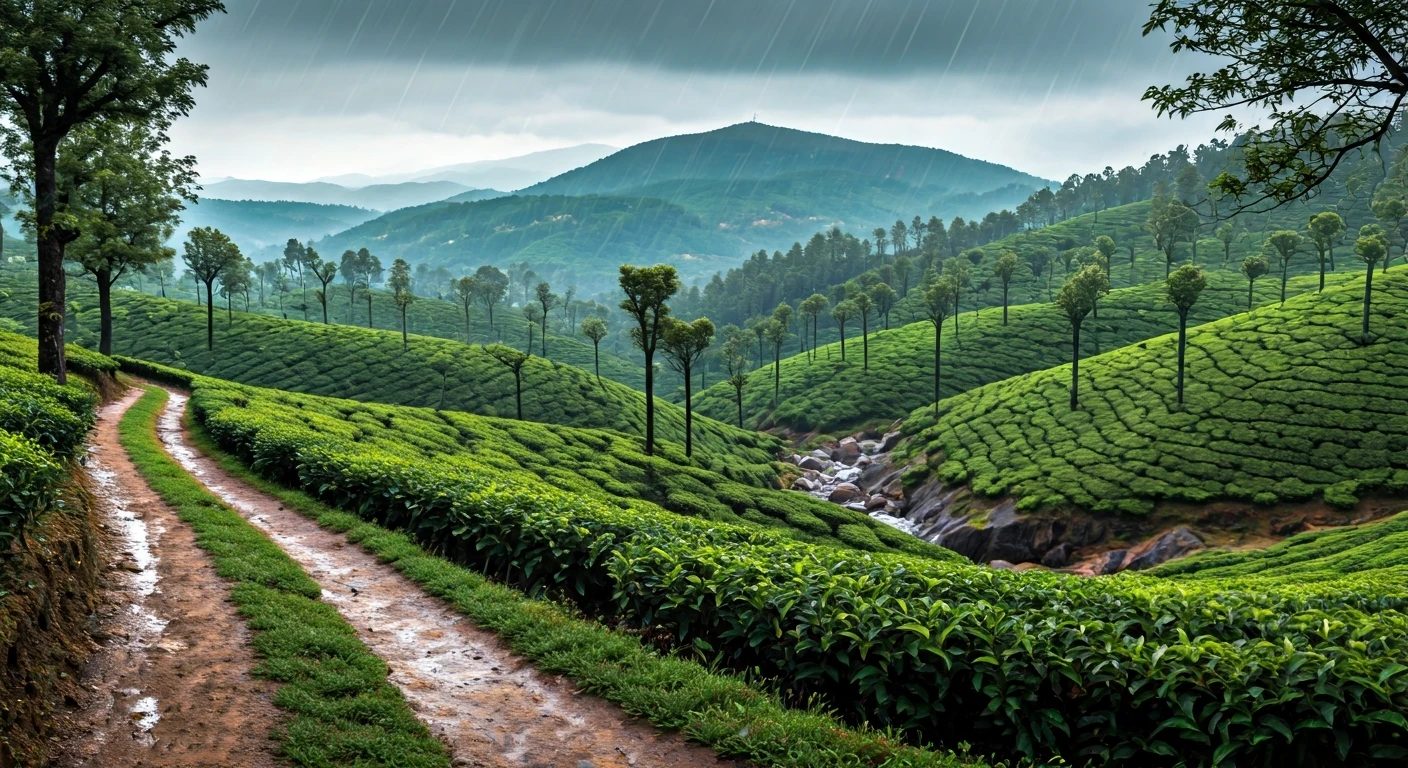
The economic benefit is clear, but the aesthetic one is even greater. The monsoon transforms Wayanad. The dust of the dry season is washed away, leaving behind a landscape so intensely green it almost seems unreal. The tea and coffee plantations covering the hillsides take on a vibrant, glossy sheen. The air is clean, cool, and filled with the earthy smell of rain-soaked soil, a scent known as 'petrichor.' Driving through the winding mountain roads, with clouds drifting below you and periodic showers creating a mystical haze, is an experience in itself. It's nature's spectacle at its most dramatic and refreshing.
Waterfalls in Their Full Glory
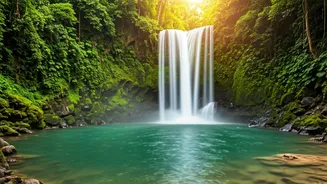
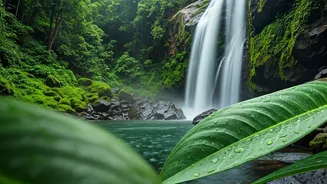
Many of Wayanad's top attractions are its waterfalls, like Meenmutty Falls and Soochipara Falls. Visiting them in the dry season can be a bit underwhelming, with water levels reduced to a trickle. The monsoon, however, is their moment to shine. The rains feed the rivers and streams, turning these waterfalls into thundering, powerful cascades. The roar of the water and the cool mist on your face make for an exhilarating experience. While swimming may be off-limits due to strong currents, the sheer visual and auditory power of the falls during this season is a major draw.
Fewer Crowds and More Serenity
Peak season in any popular tourist spot can mean long lines, crowded viewpoints, and a constant buzz of activity. Traveling to Wayanad during the monsoon means you get to sidestep all of that. You’ll have viewpoints like Lakkidi View Point or the trails around Pookode Lake largely to yourself. It's a chance to experience the region's tranquility on a deeper level. Imagine sipping a hot cup of locally grown coffee on the veranda of your guesthouse, watching the rain fall over the mountains with no one else around. It’s a peaceful, meditative form of travel that the high season simply can't offer.
The Ideal Climate for Wellness
Kerala is the global heartland of Ayurveda, an ancient system of holistic medicine. The monsoon season, known as 'Karkidakam' in the local language, is traditionally considered the best time for Ayurvedic treatments. The theory is that the cool, moist, dust-free atmosphere helps the body's pores open up, making it more receptive to herbal oils and therapies. Many resorts in Wayanad offer special monsoon wellness packages, allowing you to combine a relaxing vacation with rejuvenating treatments for a fraction of what you’d pay in a U.S. spa.