



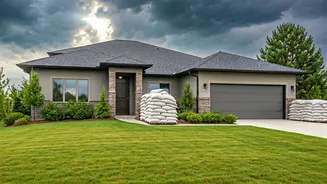


Mistake 1: Assuming Insurance Covers Everything
This is the most significant and costly assumption homeowners can make. A standard homeowner's insurance policy almost never covers damage from flooding, which includes water surging into your home from overflowing washes or overwhelmed storm drains.
You need a separate policy from the National Flood Insurance Program (NFIP) or a private insurer. There's typically a 30-day waiting period before a new flood policy takes effect, so you can't buy it the day before a storm. Review your policy now to understand what's covered under wind and rain damage (like a roof leak) versus what's considered a flood. Don't wait until you're standing in an inch of water to find out you're on your own financially.
Mistake 2: Ignoring Your Roof and Gutters
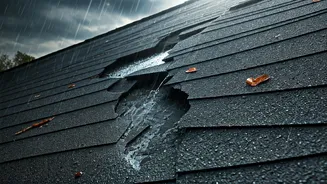
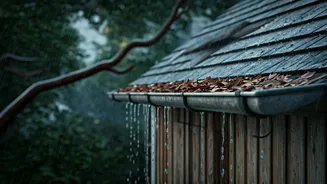
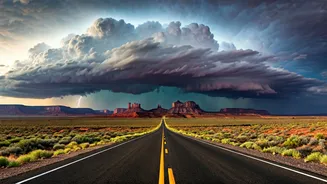
Out of sight, out of mind—until a torrential downpour turns your living room into a waterfall. Months of dry weather can leave your roof coated in dust, leaves, and other debris. This buildup clogs gutters and scuppers (the drains for flat roofs), preventing water from escaping. When water pools on your roof, it will find the smallest crack or weakness to seep through, causing expensive water damage to your ceiling, drywall, and possessions. A professional roof inspection before the season starts can spot and repair cracked tiles, damaged shingles, or failing sealant. At a minimum, get on a ladder and clean your gutters. It’s a few hours of work that can save you thousands in repairs.
Mistake 3: Neglecting Your Yard
Monsoon storms bring microbursts—intense, localized downdrafts with winds exceeding 60 mph. These winds can turn unsecured patio furniture, trampolines, and garden decor into dangerous projectiles, capable of breaking windows or damaging your home's exterior. They can also snap dead or weak tree branches, sending them crashing onto your roof or car. Before the season, trim any dead or overhanging limbs, especially those near your house or power lines. When a storm is forecast, move all lightweight outdoor items into a garage or shed, or secure them firmly. A flying umbrella is a nuisance; a flying patio table is a major liability.
Mistake 4: Driving Through Flooded Streets
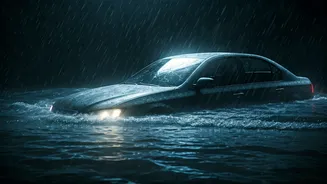
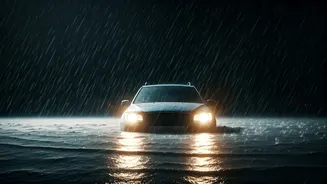
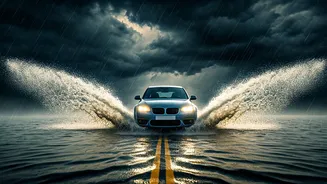
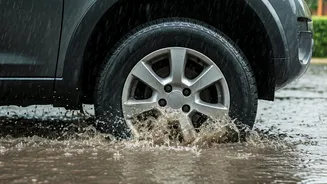
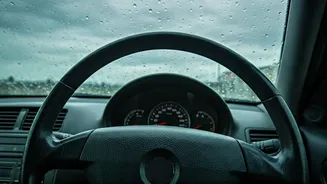
Every year, authorities plead with the public to avoid driving into flooded roadways, and every year, tow trucks are busy pulling cars from washes. It only takes six inches of moving water to knock you off your feet and about a foot of water to float many vehicles. Not only is it incredibly dangerous, but it can also be a wallet-draining mistake. Driving through deep water can flood your engine, a catastrophic failure known as hydrolock that can require a complete engine replacement costing thousands. Furthermore, if you willfully drive past a barricade into a flooded area and require rescue in states like Arizona, you could be on the hook for the cost of your own emergency response under so-called "Stupid Motorist Laws."
Mistake 5: Having No Power Outage Plan
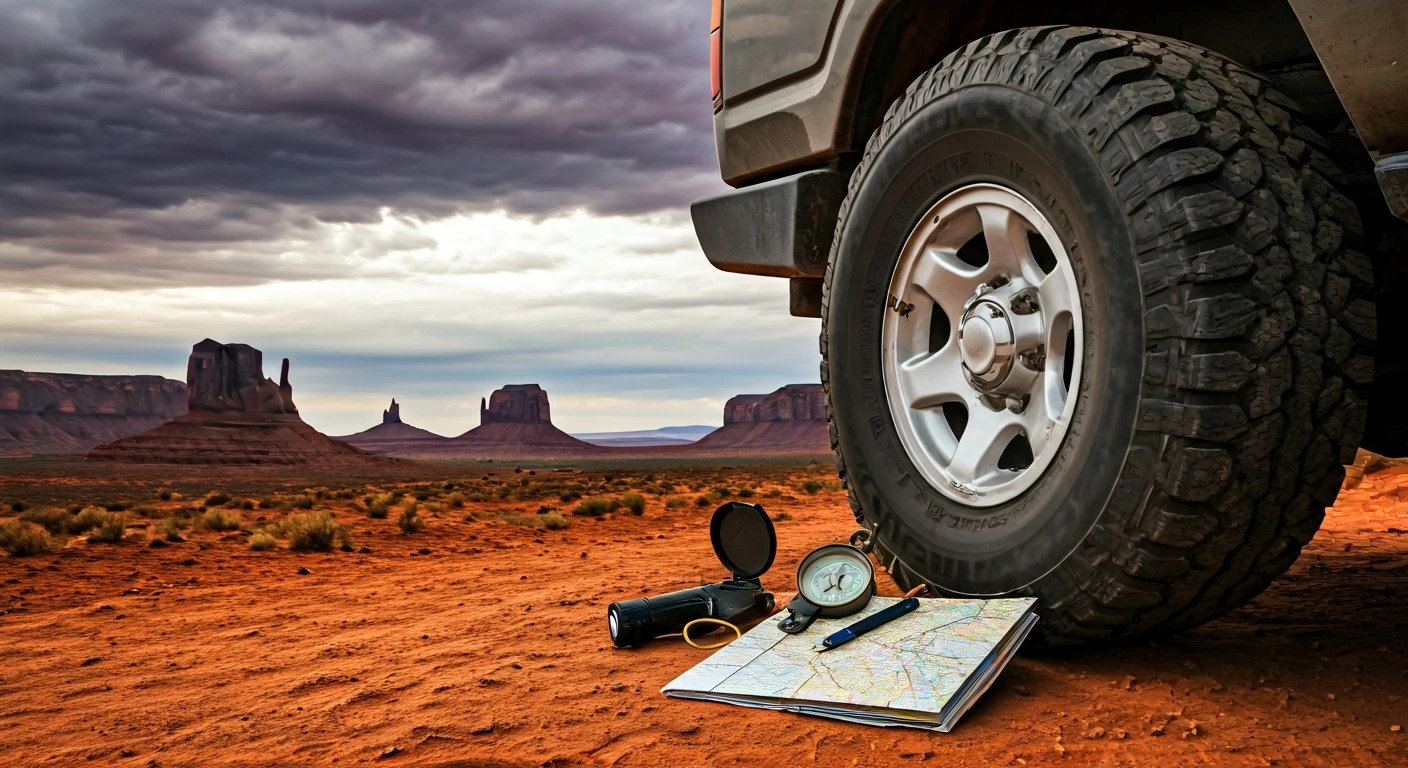
The high winds and lightning that accompany monsoons frequently cause power outages. Being unprepared for them can get expensive fast. Without power, your refrigerator and freezer will start to warm, potentially spoiling hundreds of dollars worth of food. If you rely on medical devices that require electricity, an outage becomes a serious health risk. A simple emergency kit with flashlights, fresh batteries, a portable power bank for your phone, and a hand-crank radio is essential. Consider filling some empty space in your freezer with containers of water; they'll turn into blocks of ice that help keep food cold longer during an outage.