







The New Corner Office Perk
Forget the stale coffee pot in the breakroom. In today’s high-pressure corporate world, the new status symbol isn’t a bigger office—it’s a better coping mechanism. Walk into any trendy café near a downtown business district, and you’ll see them: artfully
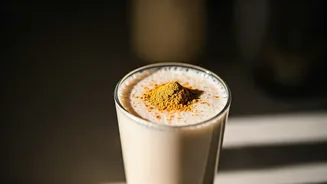
prepared, vaguely medicinal-sounding lattes. Turmeric for inflammation, mushroom coffee for focus, and the current champion of the wellness world: ashwagandha for stress. The promise is seductive. Instead of tackling the systemic causes of burnout—the endless emails, the back-to-back Zoom calls, the pressure to be always ‘on’—here is a simple, elegant solution you can hold in your hand. This drink, a blend of earthy, ancient powder and creamy, modern oat milk, feels like a personal act of rebellion against the very stress your job creates. It’s not just a beverage; it’s a statement that you’re taking your well-being into your own hands, one expensive sip at a time.
So, What Is Ashwagandha?
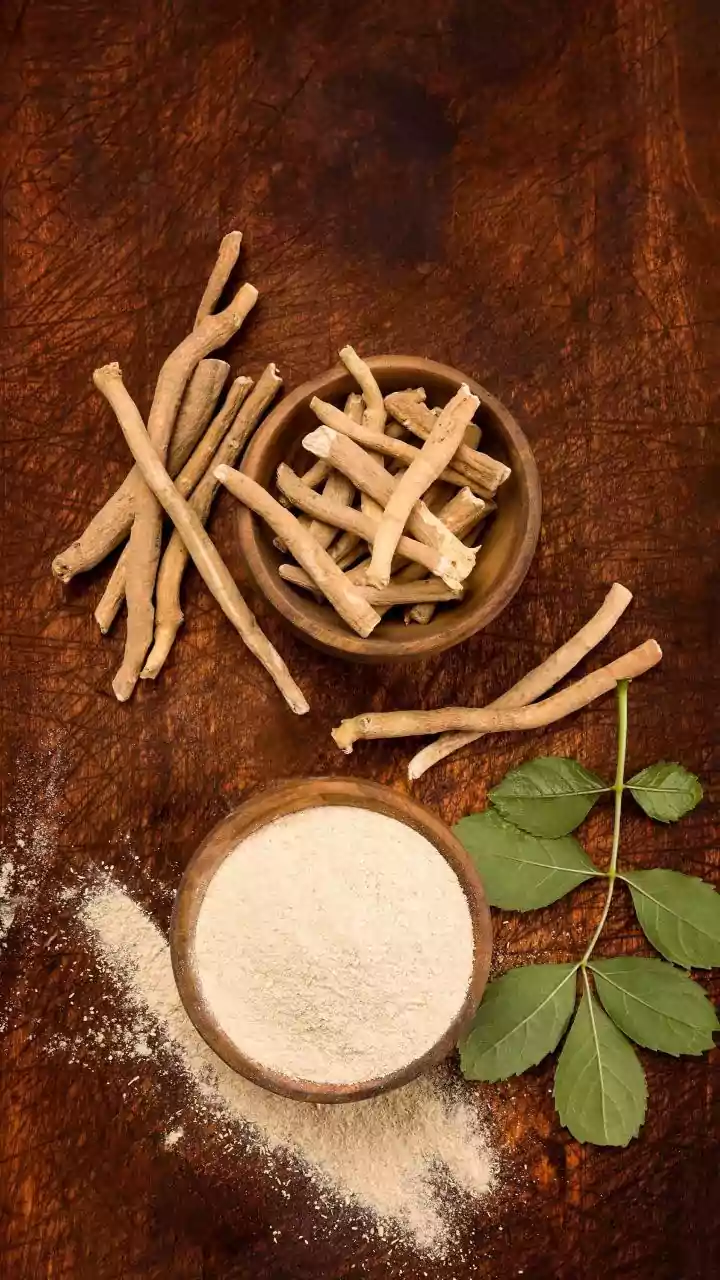
Before it was a wellness buzzword, ashwagandha was a cornerstone of Ayurveda, the traditional system of medicine in India, for thousands of years. Its botanical name is *Withania somnifera*, and it’s a small shrub with yellow flowers native to India and Southeast Asia. The name itself comes from Sanskrit, meaning 'smell of the horse,' which refers to both its unique scent and the traditional belief that consuming it imparts the strength and vitality of a stallion. Ashwagandha belongs to a class of herbs known as adaptogens. The theory behind adaptogens is that they help the body 'adapt' to and resist physical, chemical, and biological stressors. Instead of acting as a stimulant or a sedative, an adaptogen supposedly helps normalize bodily functions and strengthen the systems compromised by stress. It’s less like a sledgehammer and more like a thermostat, helping your body find its equilibrium, or homeostasis.
Does It Actually Lower Stress?
Here's where the ancient claims meet modern science, and the results are intriguing but nuanced. A number of clinical studies have examined ashwagandha’s effect on stress and anxiety. Several have found that subjects taking ashwagandha supplements experienced significant reductions in levels of cortisol—the body's primary stress hormone. When you’re in a constant state of 'fight or flight' from work deadlines and demanding bosses, your cortisol levels can remain chronically elevated, leading to a host of health issues. Some research suggests that ashwagandha can help take the edge off. However, it’s crucial to manage expectations. Ashwagandha is not a magic cure for a toxic work environment, and the research is still evolving. Most studies use specific, concentrated extracts, which may be different from stirring a teaspoon of powder into your latte. It's also not for everyone; pregnant or breastfeeding women and people with certain autoimmune conditions are generally advised to avoid it.
Don't Underestimate the Ritual
Let’s be honest: the oat milk isn’t the magical part. Any plant-based milk would do. The real secret ingredient in this habit might not be the ashwagandha itself, but the *habit*. There is a powerful, well-documented psychological benefit to ritual. The simple act of stepping away from your desk, consciously preparing a warm, comforting drink, and taking five minutes to savor it is a form of mindfulness. This deliberate pause breaks the cycle of reactive, stress-fueled thinking. It’s a moment that you control, a small pocket of peace in an otherwise chaotic day. Whether you're frothing oat milk, whisking matcha, or simply steeping a tea bag, you are sending a signal to your nervous system that it’s time to slow down. This ritualistic aspect is as much a part of the 'stress-lowering' effect as any active compound in the drink itself.