


The Conventional Wisdom: Hills for the Heat
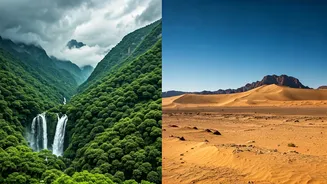
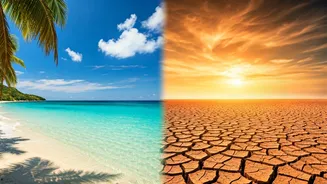
For generations, the playbook for surviving India's scorching summer has been simple: head for the hills. Destinations like Shimla, Mussoorie, and Darjeeling, with their colonial-era charm and pine-scented air, have long served as the subcontinent's designated
cooling stations. They promise relief from triple-digit temperatures, offering misty mornings, leisurely strolls along bustling 'Mall Roads,' and cozy cups of tea overlooking verdant valleys. It’s a compelling picture, and for many, it remains the default choice. The appeal is obvious—it's a direct, physical escape from the oppressive heat of the plains. This tradition has created a well-oiled tourism machine, but also predictable summer traffic jams and crowded viewpoints where finding a moment of peace can be a challenge in itself.
The Desert's Daring Counter-Offer
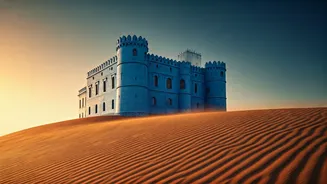
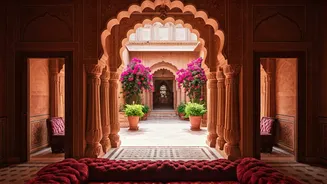
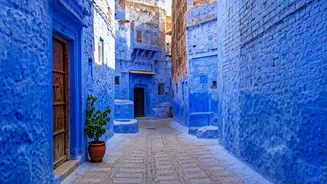
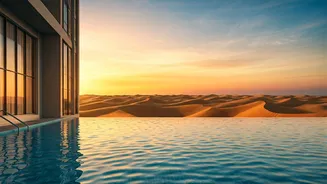
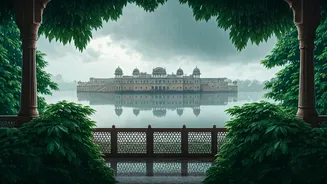
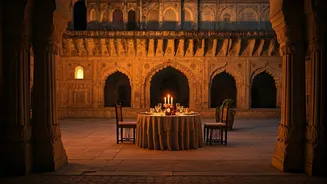
And then there’s Jodhpur. Suggesting a trip to a desert city in Rajasthan at the peak of summer sounds, at first, like madness. But the appeal isn’t about denying the heat; it’s about outsmarting it. Life in the “Blue City” has always been adapted to the climate. The strategy for a summer visit is to live like a local: explore the majestic Mehrangarh Fort and the winding, azure-washed alleyways in the cool hours of the early morning. As the sun climbs, you retreat. This is where Jodhpur’s magic truly reveals itself—in the cool, marble interiors of a converted haveli (a historic private mansion), by a stunningly blue hotel pool with a view of the fort, or exploring the air-conditioned luxury of the Umaid Bhawan Palace museum. The day is punctuated by long, leisurely lunches and siestas, followed by a re-emergence in the late afternoon as the city comes alive again for rooftop dinners and market explorations under a blanket of stars.
Crowds vs. Authenticity
Herein lies one of Jodhpur's biggest advantages. While the popular hill stations swell to capacity from May to July, feeling more like crowded theme parks than serene getaways, Jodhpur enjoys its off-season. The throngs of peak-winter tourists are gone. This emptiness transforms the experience. You can wander through the fortress, one of India’s most impressive, without being jostled by tour groups. You can haggle in the Sardar Market with shopkeepers who have more time for a friendly chat. This relative quiet allows for a more personal, unhurried connection to the place. You aren't just a tourist on a conveyor belt; you're a guest in a city that is breathing and living at its own pace, and you're invited to sync with its ancient rhythms.
The All-Important Value Proposition
Perhaps the most compelling argument for a Jodhpur summer is financial. Summer is the low season for tourism in Rajasthan, and the laws of supply and demand work beautifully in the traveler’s favor. World-class luxury hotels, including opulent palace hotels that are the stuff of legend, offer rates that are a fraction of their winter prices. A stay at a heritage property that might be a once-in-a-lifetime splurge in December becomes a surprisingly accessible indulgence in June. For American travelers looking to experience the full grandeur of Rajasthani hospitality—think private courtyards, impeccable service, and regal surroundings—the summer presents an unmatched opportunity to do so without liquidating their savings. This shift turns a potential budget-buster into a value-packed luxury escape.
A Choice: Natural Scenery or Cultural Immersion
Ultimately, the choice between a hill station and a desert city is a choice between two different kinds of escape. The hills offer an escape into nature—cool breezes, green landscapes, and physical comfort. It’s an outward-facing experience focused on scenery and climate. Jodhpur offers an escape into culture, history, and atmosphere. It’s an inward-facing experience, focused on architectural marvels, vibrant traditions, and a unique way of life. Do you want to hike through a pine forest, or get lost in a 500-year-old blue city? Do you prefer the ambient noise of chirping birds and waterfalls, or the distant call to prayer and the buzz of a timeless marketplace? One provides relief from the sun; the other provides a deep dive into the soul of India.