





From sterile room to living set
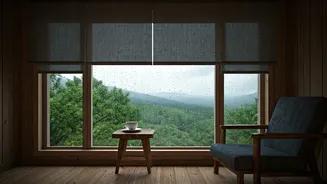
A hotel room is a blank space, an interchangeable pod designed for transient privacy. A homestay is the opposite. It’s a lived-in set, rich with the details that turn a location into a place. The worn armchair in the corner where the family patriarch
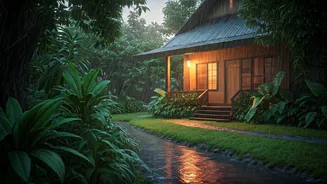
reads his newspaper, the faint scent of spices from the kitchen, the wall of faded photographs chronicling decades of life—these aren’t just decorations. They are plot points. When the monsoon forces you indoors, the four walls of a hotel room can feel like a prison. But in a homestay, those same four walls become the setting of your story. You aren’t just a tourist waiting for the rain to stop; you are a temporary character in the life of the home. You notice the way the light hits a brass pot in the afternoon, the specific creak of a floorboard, the collection of books on a shelf. The house itself ceases to be mere accommodation and becomes a central character in your travel narrative.
The host as your personal narrator
The most crucial element a homestay provides is a narrator: your host. Unlike a concierge who hands you a laminated map with tourist spots circled, a host offers you the unwritten script of a place. They are the keepers of local lore, the shortcuts, the best spot for tea when it’s raining, and the story behind the old temple down the road that isn’t in any guidebook. During the monsoon, this relationship deepens. With fewer tourists and a slower pace, conversations flow more easily. You might learn a family recipe, hear stories about the village during last year’s festival, or simply sit on the veranda and learn the names of the birds that visit the garden after a downpour. The host doesn't just give you a key to a room; they give you the key to understanding your surroundings. They provide the context, the backstory, and the dialogue that elevates a simple trip into a meaningful plot.
When bad weather becomes good story
In traditional travel, clear skies are the goal and rain is the antagonist. A monsoon trip flips the script. Here, the weather isn't an inconvenience to be endured; it’s the central organizing principle of your day. It dictates a slower, more deliberate pace. The frantic rush to check off a list of sights is replaced by the simple pleasure of watching the world get washed clean. This forced pause is where the story happens. It’s the unplanned afternoon spent learning a local board game with your host’s children because the roads are flooded. It’s the impromptu cooking lesson that happens because going out to eat is impossible. These moments of spontaneous connection are born from the “inconvenience” of the rain. The monsoon provides the conflict, and the homestay provides the setting for a resolution that is far more memorable than a perfect, sunny, and utterly predictable day.
A taste of the plot
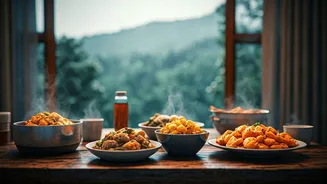
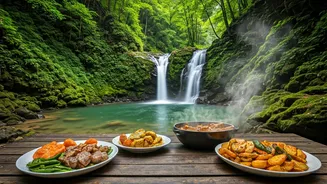
Food is always a part of travel, but in a homestay—especially during the monsoon—it becomes a central chapter. You move beyond the curated menus of tourist restaurants and into the heart of a family’s kitchen. The meals are often simpler, dictated by what’s fresh and what’s comforting on a damp, gray day. Think of a steaming bowl of soup, a freshly baked loaf of bread, or a regional specialty that’s considered perfect for a rainy afternoon. Every dish comes with a story: this is the spice blend grandmother used, this fish is only available this time of year, this is what we eat for comfort. Eating becomes an act of participation in the family’s daily life. The flavors you experience are tied directly to the place, the season, and the people you are with, making each meal a delicious and unforgettable part of your personal travel story.