







The End of the Mid-Morning Crash
The single biggest driver behind the protein breakfast boom is satiety—the feeling of being full and satisfied. For decades, the standard American breakfast has been a carb-and-sugar-heavy affair: cereal, bagels, pastries, or sweetened yogurts. While
delicious, these foods are digested quickly, causing a rapid spike in blood sugar followed by an inevitable crash. That feeling of brain fog, irritability, and sudden hunger that hits around 10:30 a.m.? That’s often the result of a breakfast that burned out too fast. Protein, on the other hand, digests much more slowly. Think of it as a slow-burning log for your metabolic fire, whereas simple carbs are like kindling. A breakfast rich in protein helps stabilize blood sugar levels, providing a steady release of energy that can carry you through to lunchtime without the desperate need for a snack. This sustained energy and mental clarity is a powerful, tangible benefit that people feel immediately, making the switch an easy one to stick with.
It’s Not Just for Bodybuilders
For years, high-protein diets were typecast as the exclusive domain of elite athletes and bodybuilders trying to pack on muscle. But that perception is finally shifting. The wellness community has successfully reframed protein as a cornerstone of overall health for everyone, not just gym rats. As we age, we naturally lose muscle mass, a process called sarcopenia, which can slow metabolism and reduce strength. Consuming adequate protein, especially at the start of the day, helps preserve lean muscle mass, supporting a healthy metabolism and better body composition over the long term.
This new understanding positions protein as a tool for long-term vitality, not just short-term aesthetics. It's less about building huge biceps and more about maintaining the strength needed for daily activities, supporting bone health, and fostering a healthier aging process.
The Social Media Glow-Up
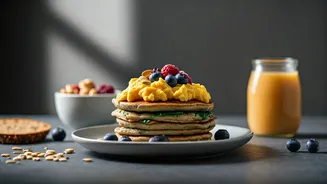
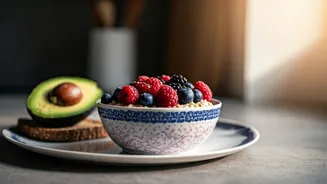
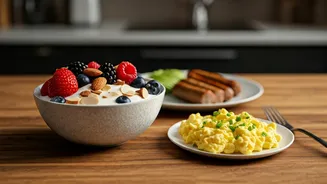
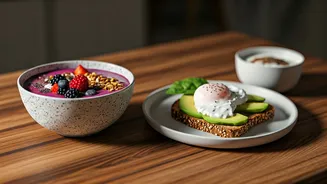
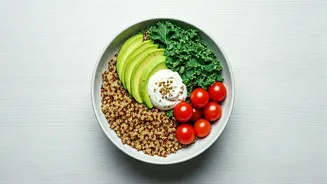
Let’s be honest: a bowl of Cheerios isn’t exactly photogenic. The protein breakfast trend, however, is perfectly suited for the visual world of Instagram and TikTok. Colorful smoothie bowls topped with seeds and berries, savory cottage cheese bowls drizzled with hot honey, and perfectly fluffy protein pancakes are all incredibly aesthetically pleasing. They look vibrant, healthy, and delicious.
Wellness influencers and food creators have capitalized on this, showcasing endless beautiful and creative ways to pack protein into the first meal of the day. This constant visual reinforcement has done two things: it has demystified how to make a high-protein breakfast, and it has made the habit feel aspirational and desirable. When something looks good, tastes good, and makes you feel good, it has all the ingredients for a viral trend.
Simple Swaps, Big Impact
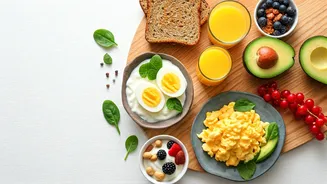
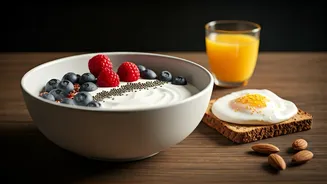
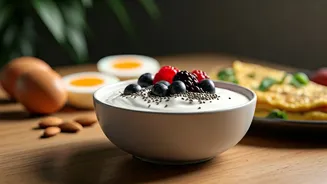
Another reason for the trend’s staying power is its accessibility. You don’t need to be a gourmet chef or buy expensive, specialized ingredients to participate. The movement is largely built on simple swaps and additions. It can be as easy as adding a scoop of unflavored protein powder to your morning oatmeal, switching from a sugary fruit-on-the-bottom yogurt to plain Greek yogurt (which can have double the protein), or scrambling a couple of eggs instead of reaching for a toaster pastry.
The rise of high-protein versions of classic foods—from pancake mixes to bread—has also lowered the barrier to entry. And ingredients like cottage cheese, which offers a huge protein punch for a low cost, have been rebranded from a boring “diet food” of the ‘80s into a versatile, creamy base for both sweet and savory meals. This ease of adoption is key to turning a fleeting trend into a lasting habit.