
The Original Gut Health
Before “gut microbiome” was a buzzword and refrigerated probiotic sections became a grocery store staple, kitchens across the Indian subcontinent were already mastering the art of fermentation. These practices weren't a trend; they were a fundamental
part of daily cuisine, prized for their flavor, digestive benefits, and preservation power. This is the world of Desi probiotics—foods and drinks teeming with live, beneficial bacteria that support digestive health. While the modern wellness market charges a premium for isolated strains in a capsule, South Asian culinary traditions offer them in delicious, whole-food forms that have been vetted by generations.
More Than Just Yogurt
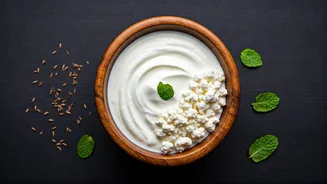
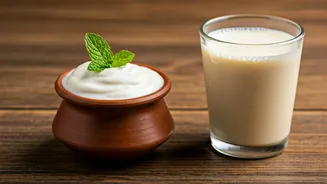
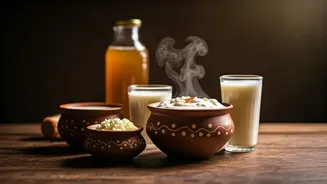
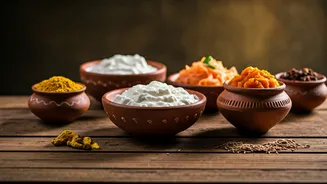
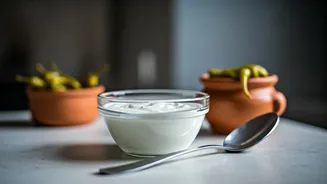
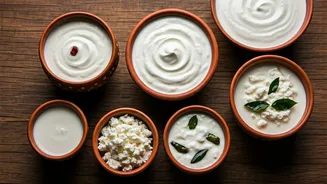
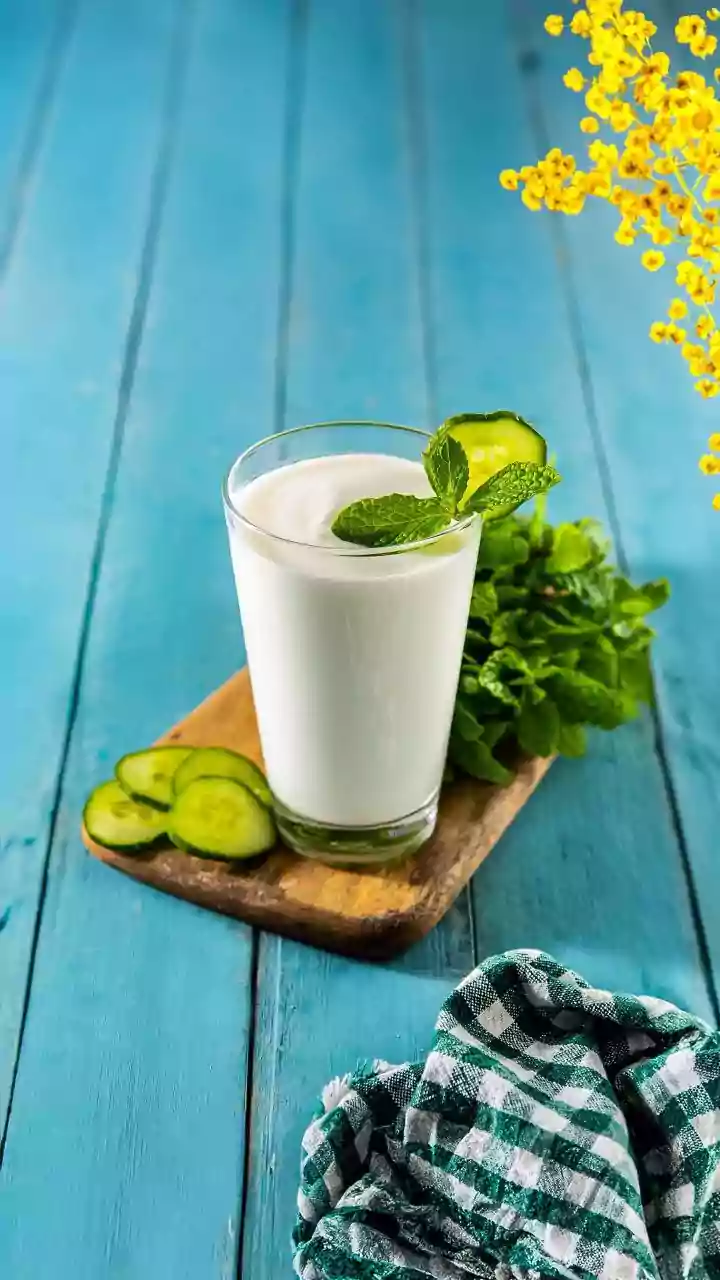
The gateway to Desi probiotics is Dahi, or homemade yogurt. Unlike many commercial yogurts that can be heat-treated (killing live cultures) or loaded with sugar, traditional Dahi is a living food. Made by introducing a starter culture to warm milk and letting it set for hours, it becomes a rich, tangy, and probiotic-packed powerhouse. It’s the base for cooling Lassi (a yogurt-based drink) and savory Raita (a yogurt dip with vegetables and spices). Making Dahi at home costs pennies on the dollar compared to buying a month’s supply of supplements, and it provides a complex array of bacterial strains, not just one or two isolated ones.
Fermented Foods, Not Just Drinks
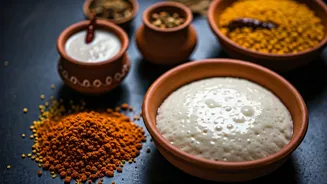
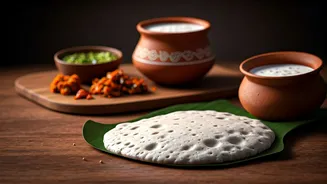
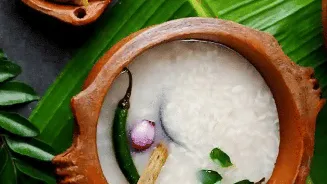
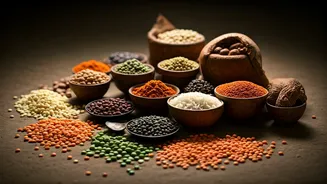
The probiotic wisdom extends far beyond dairy. Consider the fluffy, steamed perfection of Idli and Dhokla. These savory cakes, staples in South and West India, respectively, get their signature light and airy texture from fermentation. A batter of ground rice and lentils (for Idli) or chickpea flour (for Dhokla) is left to ferment overnight. This process not only creates natural leavening but also breaks down anti-nutrients, making the minerals more bioavailable and introducing beneficial lactic acid bacteria. You're essentially eating a delicious, gut-friendly sourdough—a concept that has existed in these cultures for centuries before it became a pandemic hobby in the West.
The Power of Pickled Probiotics
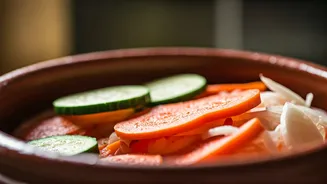
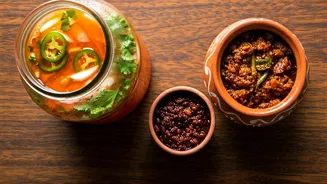
And then there’s the world of fermented vegetables and pickles, known as Achaar. While many modern store-bought pickles are simply preserved in vinegar, traditionally made Achaars often use a salt-brine fermentation process that cultivates probiotics. An even more direct example is Kanji, a brilliant purple, tangy drink popular in North India. Made by fermenting black carrots and beetroot in water with mustard seeds and salt, this seasonal beverage is a probiotic firework. It’s a classic example of using fermentation to transform simple vegetables into a complex, flavorful, and health-promoting tonic that’s enjoyed as a zesty appetizer.
The Ultimate Wellness Flex
So, what’s the “flex”? It’s recognizing that you don’t need an expensive subscription box or a celebrity-endorsed supplement to prioritize your health. The flex is in the wisdom—the understanding that your grandmother’s recipe for Dahi or Kanji was a wellness protocol all along. It’s about connecting with a rich culinary heritage that is inherently sustainable, affordable, and effective. Opting for these traditional foods isn’t just good for your gut and your wallet; it’s a quiet rebellion against a commercialized wellness culture that often tries to sell us back our own traditions at a premium. It’s a delicious, savvy, and culturally grounded approach to feeling good.