


Beyond the 'Global Modern' Look
For years, upscale urban Indian homes often mirrored a certain global aesthetic: sleek, minimalist, and somewhat anonymous, filled with imported furniture and finishes. But a significant shift is underway. Designers and homeowners are increasingly rejecting
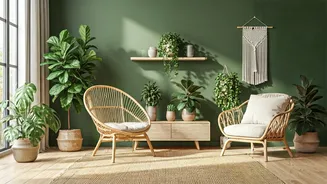
this one-size-fits-all approach in favor of something more authentic and grounded. This isn’t just about adding a few potted plants or a wicker chair; it's a holistic philosophy that champions localism, craftsmanship, and a deep connection to nature. It’s a conscious move away from the impersonal and toward spaces that tell a story—of their location, their materials, and the people who inhabit them. The result is an aesthetic that feels layered, warm, and deeply personal, a direct response to the hyper-globalized, digitally saturated world outside.
The Material Language of India
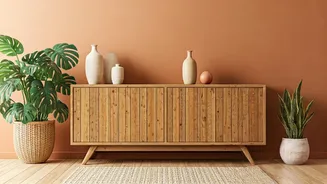
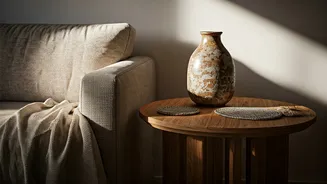
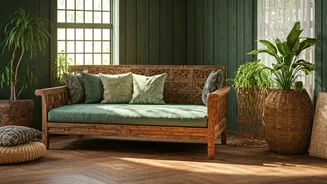
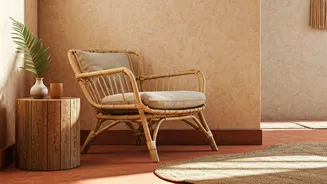
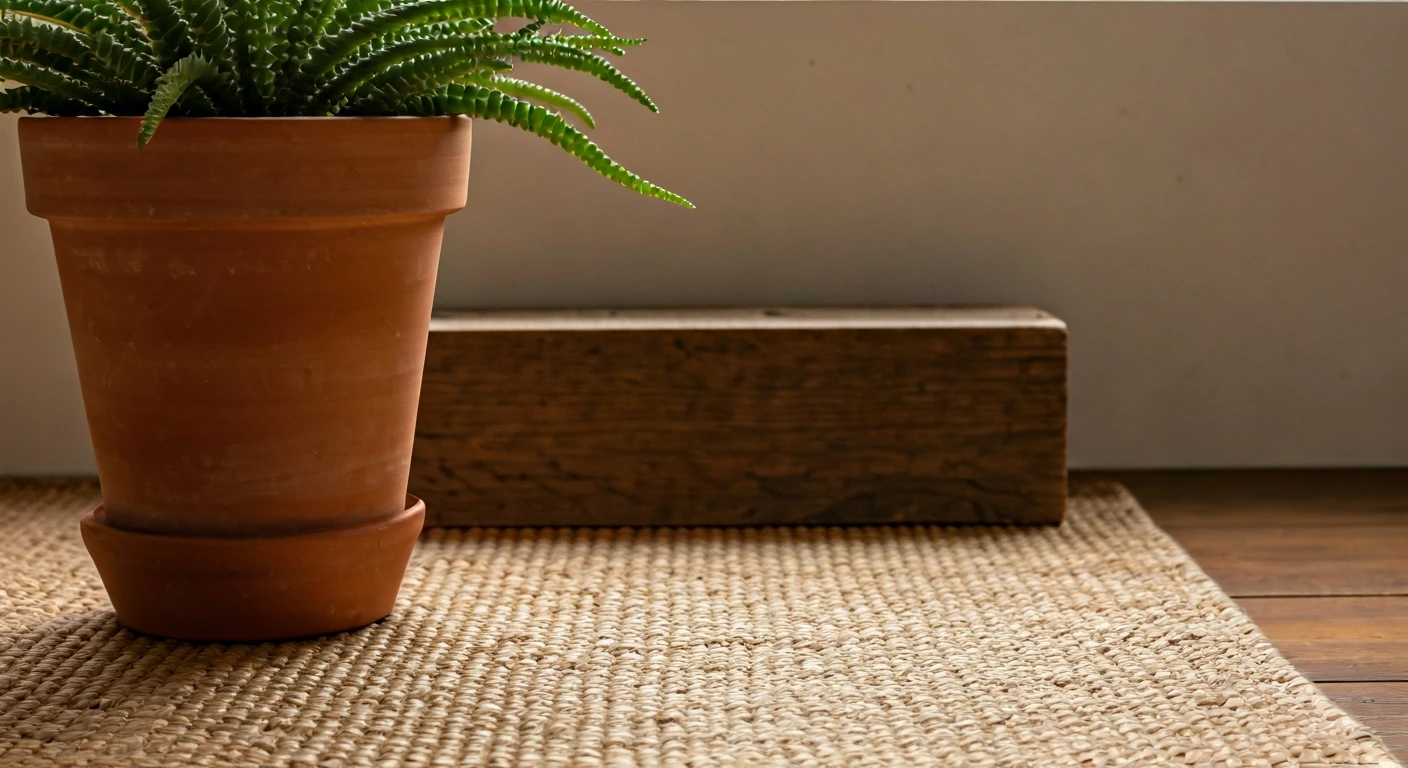
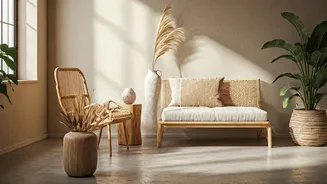
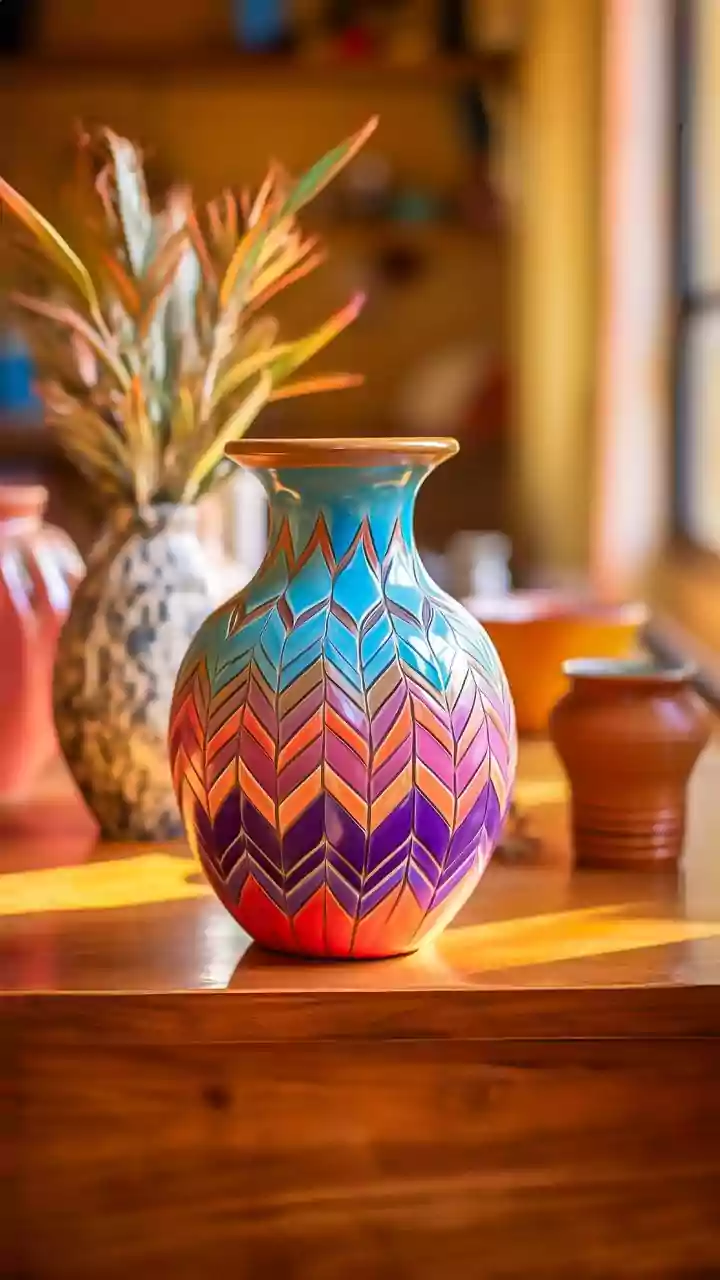
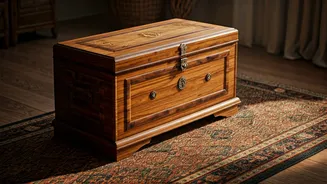
At the heart of this trend is a celebration of indigenous materials. Instead of imported marble and chrome, you’ll find interiors rich with the textures of teak and rosewood, furniture woven from cane and rattan, and textiles made of hand-spun khadi cotton and jute. Walls are often finished with traditional lime plaster or exposed brick, lending a soft, breathable quality to the space. Terracotta, in the form of tiles, pots, and decorative objects, brings an earthy warmth that feels elemental. These aren't just stylistic choices; they are sustainable ones. Using locally sourced materials reduces the carbon footprint of a project and supports regional artisans and economies. Each material has a history, a texture, and a sense of place that mass-produced items simply cannot replicate, creating a home that engages all the senses.
A Return to Cultural Roots
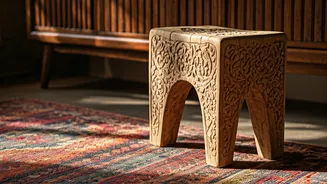
So, why now? The movement is fueled by a confluence of factors. The global pandemic played a major role, forcing people to spend more time indoors and re-evaluate what makes a home feel like a sanctuary. This sparked a desire for calming, wellness-focused environments, a core tenet of biophilic design, which seeks to connect us with nature. But in India, this global trend is intersecting with a powerful resurgence of cultural pride. There's a growing appreciation for vernacular architecture—the traditional building styles and techniques unique to different regions of the country. Designers are finding inspiration in everything from the courtyards of Chettinad mansions to the hand-carved details of Rajasthani havelis, reinterpreting these elements for contemporary living. It’s a way of reclaiming a heritage that was at risk of being overshadowed by Western trends.
Modern Forms, Traditional Soul
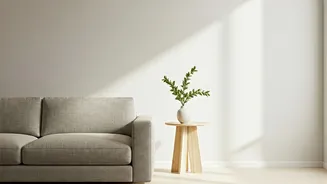
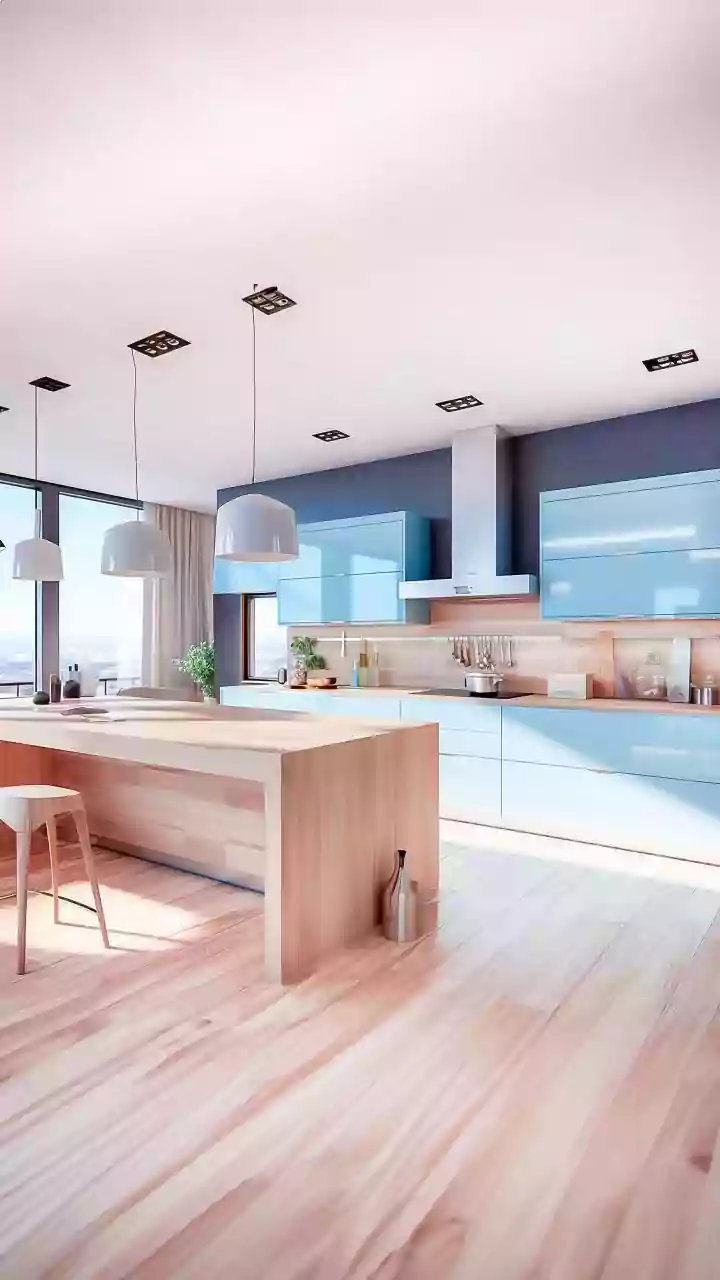
This isn't about creating museum-like spaces or historical reproductions. The genius of this movement lies in its fusion of old and new. Picture a minimalist, concrete-walled living room where the focal point is a traditional 'charpai'—a woven daybed—reimagined in sleek, modern lines. Or imagine an open-plan kitchen with clean, contemporary cabinetry paired with a backsplash of rustic, handmade tiles. It's about contrast and balance. The clean geometry of modern design provides a perfect canvas for the organic texture and intricate detail of handcrafted objects. This blend allows the unique character of the natural materials and traditional pieces to shine, preventing the look from becoming either sterile or overly rustic. It’s a sophisticated dialogue between the past and the present, resulting in homes that are both stylish and soulful.