





The New Look of the Grocery Aisle
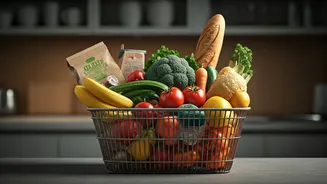
The most visible shift is happening where most Americans make their food decisions: the supermarket. For years, sustainability meant seeking out a small, dusty organic section. Today, it’s integrated throughout the store. You can see it in the rise of
“ugly” or “imperfect” produce sections, where slightly misshapen fruits and vegetables are sold at a discount, rescuing them from becoming food waste. Major chains are now piloting these programs, reframing cosmetic perfection as unnecessary. Beyond produce, look at the packaging. There's a growing consumer pushback against excessive plastic, leading to more bulk bin options for grains, nuts, and spices, and a return to simpler materials like glass and paper. Brands are also feeling the pressure, with many now highlighting their sourcing ethics, carbon footprint, and recycled packaging directly on their labels. Reading a label is no longer just about calories; it’s about understanding a product's journey from farm to shelf.
Smarter Habits in the Kitchen
The sustainability trend is also reshaping our behavior at home. The core idea is simple: waste less, use more. This isn't about complex, chef-level techniques; it's about a return to thriftiness. Meal planning, once a tactic for budget-conscious families, is being rebranded as a powerful tool for reducing food waste. By planning a week’s worth of meals, you buy only what you need, making it less likely that fresh spinach will wilt forgotten in the back of the fridge. Composting is also going mainstream. Once the domain of avid gardeners, countertop compost bins and municipal collection programs are making it easier for everyone to divert food scraps from landfills, where they would otherwise produce methane, a potent greenhouse gas. This extends to a “root-to-stem” and “nose-to-tail” cooking philosophy, where you’re encouraged to use parts of ingredients you might normally toss—think broccoli stems in a stir-fry, or simmering vegetable peels to make a flavorful broth.
Dining Out with a Conscience
The restaurant industry is a powerful driver of food culture, and it’s adapting, too. Menus are increasingly highlighting local farms and seasonal ingredients, which not only supports the local economy but also reduces the carbon footprint associated with shipping food across the country or the globe. Some restaurants are even designing their menus around a “climatarian” diet—one that focuses on foods with the lowest environmental impact. This movement also applies to the booming takeout and delivery market. In response to the mountains of single-use containers generated during the pandemic, a new wave of services is offering reusable takeout containers. Customers pay a small deposit or subscription fee, receive their food in durable containers, and then return them at designated drop-off points to be washed and reused. It’s a circular economy model applied directly to your Friday night dinner.
The Rise of Plant-Forward Eating
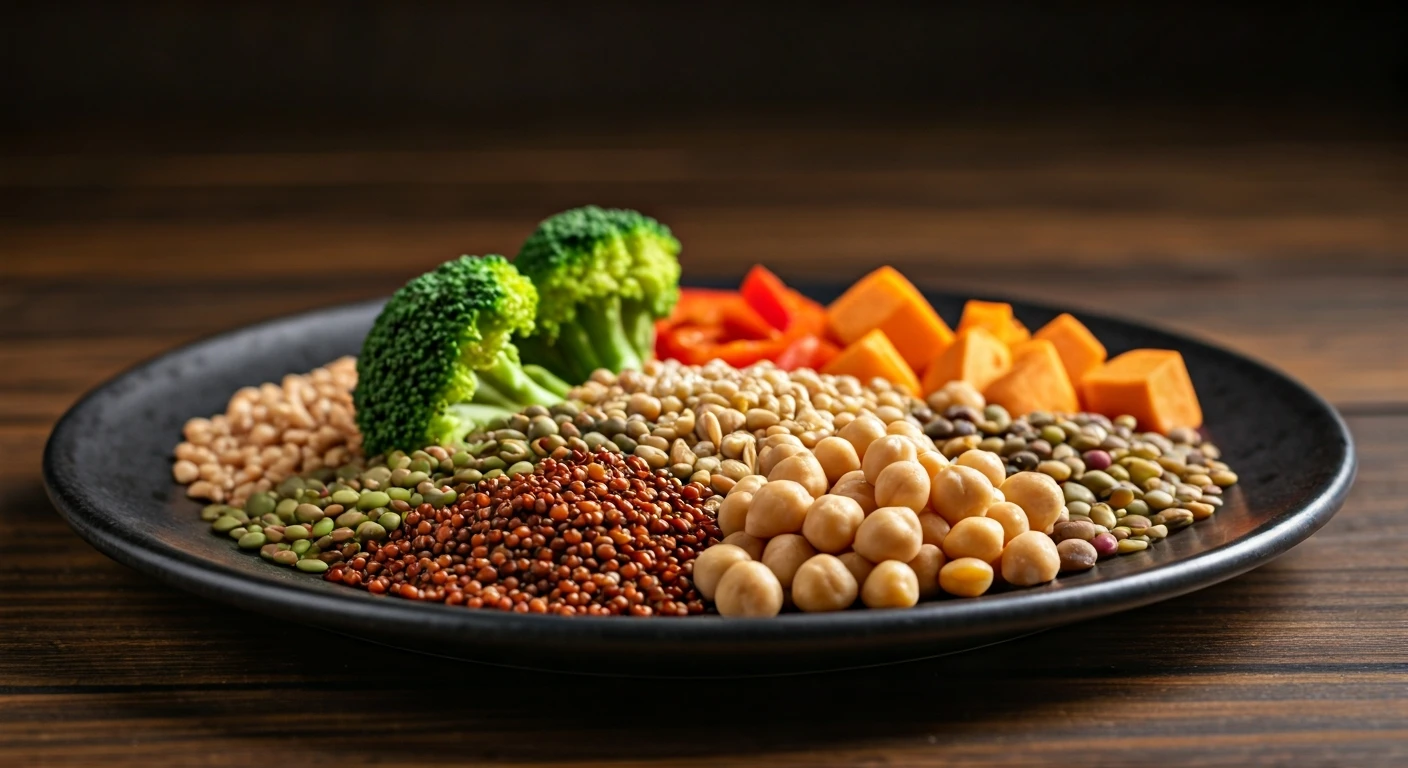
Perhaps the most significant shift is the gentle move away from a meat-centric diet. This isn’t necessarily about everyone becoming a vegetarian or vegan. Instead, it’s about “plant-forward” eating, where meat is used more as a flavoring or a special-occasion ingredient rather than the centerpiece of every meal. The explosive growth of high-quality plant-based burgers, sausages, and chicken nuggets—which now mimic the taste and texture of their animal counterparts with surprising accuracy—has made this transition easier than ever. This “flexitarian” approach allows people to reduce their environmental impact without a sense of deprivation. Concepts like “Meatless Mondays” have gained traction because they offer a simple, non-judgmental entry point. By making one or two meals a week plant-based, consumers are participating in the sustainability movement in a way that feels manageable, delicious, and personally meaningful.