


The Curated Cabin
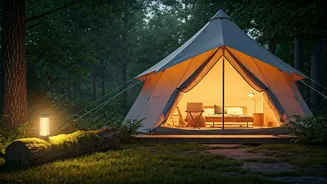
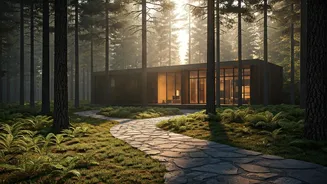
Forget wrestling with tent poles or struggling to start a fire in the rain. The modern 'forest stay' is less about survival and more about seamless, stylish immersion. Companies like Getaway, AutoCamp, and a host of independent operators offer meticulously
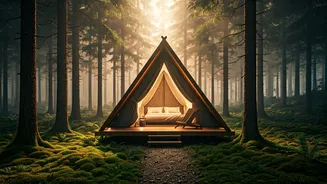
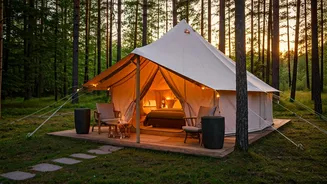
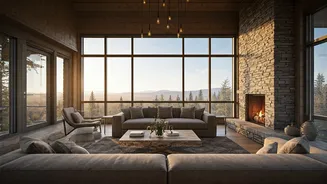
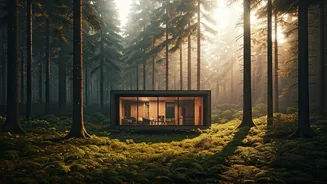
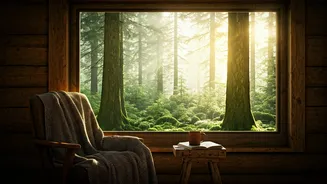
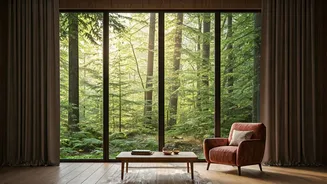
designed tiny cabins and luxury Airstreams nestled in scenic woodlands. These aren't rustic shacks; they are minimalist masterpieces featuring queen-sized beds with plush linens, kitchenettes stocked with pour-over coffee makers, and private bathrooms with hot showers. The centerpiece is often a giant picture window, perfectly framing a serene forest view—less a window, more a living piece of art designed for contemplation and, inevitably, for Instagram. The promise isn't just a place to sleep, but a fully formed aesthetic experience. The work is done for you, transforming the unpredictable wild into a predictable, comfortable, and beautifully designed backdrop.
Selling Solitude as a Service
This trend isn't just about adding comfort; it's about productizing nature itself. The target audience is often city-dwelling millennials and Gen Z, burnt out from the digital grind and craving an escape. Yet, this demographic also values convenience, design, and shareable experiences. These forest stay companies have brilliantly packaged solitude as a service. They provide the escape without the friction. The firewood is pre-chopped and bundled, a s'mores kit sits on the counter, and curated guides suggest easy, picturesque hiking trails nearby. This approach removes the barriers to entry that once made the outdoors intimidating for novices. You don't need to own gear or possess specialized knowledge. You just need to book online and show up. In doing so, these brands are not just selling a cabin for the night; they are selling a guaranteed, hassle-free feeling of being 'outdoorsy.'
The Meaning of Soft Luxury
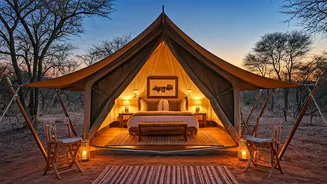
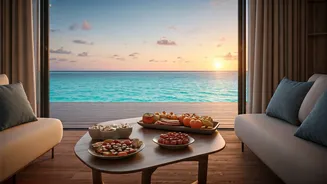
The 'soft luxury' of these stays isn't about opulence in the traditional sense. There are no butlers or gold-plated faucets. Instead, the luxury lies in the thoughtful elimination of inconvenience. It’s the luxury of arriving to a perfectly clean space, of knowing the Wi-Fi will work if you need it, and of having a comfortable bed to fall into after a 'long' day of reading in a hammock. This is a quiet, understated form of luxury defined by ease, quality, and aesthetics. It caters to a wellness-oriented mindset where self-care includes disconnecting from urban chaos, but not from essential comforts. It suggests that true relaxation requires not just a change of scenery, but a meticulously controlled environment where nothing can go wrong. Nature is the main attraction, but it's presented on a five-star platter.
What's Lost in the Filter?
As nature becomes more accessible through these luxurious filters, it's worth asking what, if anything, is lost. Part of the profound impact of the wilderness has always been its indifference to human comfort. It demands resilience, problem-solving, and a surrender of control. When we remove every challenge—when the fire is easy, the path is clear, and a hot shower is guaranteed—do we also remove the potential for genuine self-discovery? The experience risks becoming another form of consumption, where nature is a backdrop for a lifestyle rather than a force to be reckoned with. There's a subtle difference between experiencing the woods and experiencing a woods-themed hotel. While these stays undoubtedly allow more people to enjoy the beauty of the natural world, they also reinforce the idea that every experience can, and should, be optimized for our comfort.