


Ancient Wisdom, Modern Science
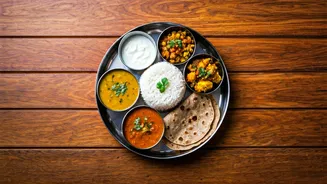
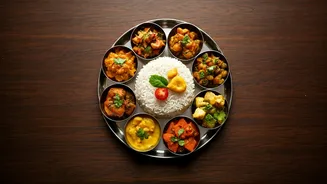
The soul of a traditional Indian meal, or thali, isn’t just about variety; it’s about balance. Classic pairings like dal and rice (dal-chawal) or flatbread and vegetables (roti-sabzi) aren’t happy accidents. They are nutritionally brilliant combinations
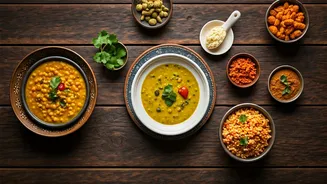
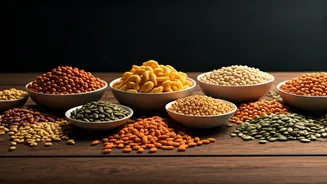
perfected over centuries. For instance, lentils (dal) are rich in the amino acid lysine, which rice lacks, while rice provides other amino acids that lentils are low in. Together, they form a complete protein, offering sustenance that rivals meat. Similarly, the fiber from vegetables eaten with whole wheat roti slows down digestion, preventing blood sugar spikes. This inherent wisdom is the foundation of the modern glow-up. It’s not about replacing these pairings, but optimizing them with our current understanding of nutrition.
Rebooting the Carb Comfort
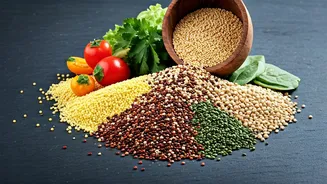
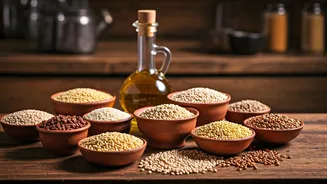
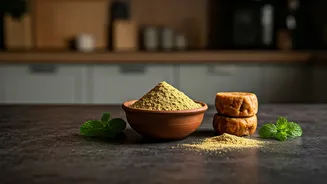
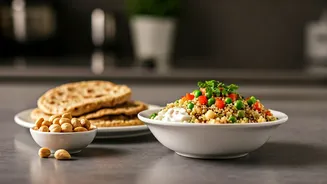
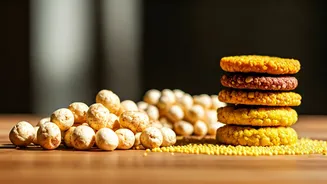
The most significant and accessible glow-up is happening in the grain department. While fluffy white basmati rice has its place, the modern approach champions a return to India’s diverse and ancient grains. Millets are the undisputed stars of this movement. Grains like sorghum (jowar), pearl millet (bajra), and finger millet (ragi) are making a huge comeback. Why? They are naturally gluten-free, packed with fiber, and have a lower glycemic index than polished rice, which means more stable energy levels. The swap is simple but powerful: - **Instead of white rice with your dal:** Try a fluffy quinoa or a hearty sorghum millet. They soak up gravies just as beautifully but add a wealth of minerals and fiber. - **Instead of standard wheat roti:** Look for rotis made from a blend of whole wheat and other flours like ragi or chickpea flour (besan), which boosts the protein content. This isn't about demonizing rice or wheat but reintroducing the variety that was once common in the Indian diet.
Good Fats, Great Flavor
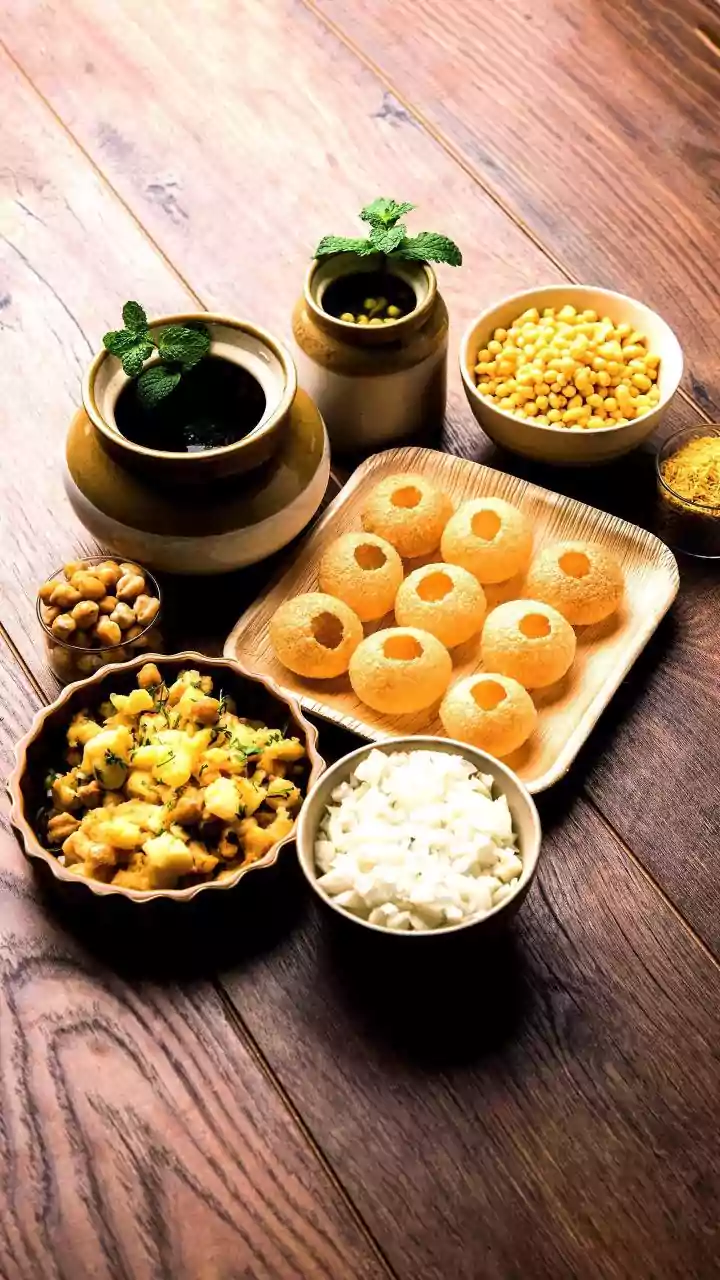
Fat is flavor, and Indian cooking masterfully uses it to unlock the potential of spices. Ghee (clarified butter) and vegetable oils have been staples for tempering spices (tadka) and cooking. The health glow-up here is twofold: choosing better fats and using them more strategically. While a dollop of high-quality, grass-fed ghee has its benefits, the focus is shifting. Cold-pressed oils like mustard, sesame, and coconut oil, which were traditionally regional, are now being celebrated for their unique flavor profiles and health properties. Furthermore, the technique is changing. Instead of cooking everything in a lot of oil, many are adopting methods like using a finishing oil or a spoonful of ghee at the end for flavor, rather than using it as the primary cooking medium. Even crunchy snacks are getting an update, with pan-roasted or air-fried options replacing their deep-fried counterparts, delivering the same satisfying crunch with a fraction of the oil.
Gut Health’s Ancient Secret
Long before “probiotics” became a wellness buzzword, Indian households were perfecting the art of fermentation for both flavor and preservation. The new health focus celebrates this tradition. The tangy, fermented batter of dosa and idli, made from rice and lentils, isn't just delicious; it’s pre-digested by beneficial microbes, making its nutrients easier for our bodies to absorb. The classic side dish of dahi (homemade yogurt) or the savory yogurt drink chaas (spiced buttermilk) are probiotic powerhouses that aid digestion and cool the body. The modern glow-up involves leaning into these practices even more. It means pairing a rich, spicy curry not with a sugary soda, but with a cooling glass of chaas to balance your gut. It’s an appreciation for the fact that a healthy microbiome has been a quiet, unsung hero of the Indian plate all along.
A Sweeter, Smarter Ending
Indian desserts (mithai) are famously decadent and often very sweet. The glow-up in this area focuses on smarter sweeteners and portion control. Instead of refined white sugar, there’s a growing preference for unrefined jaggery (a traditional cane sugar) or date paste, which contain more minerals and have a richer, more complex flavor. This allows for less sweetener to be used overall. Fruit-based desserts are also gaining popularity. A beautiful bowl of fresh mango with a sprinkle of cardamom or a baked pear with cinnamon offers a sweet finish without the sugar overload. The classic mango lassi is being reimagined with less sugar and more yogurt, or swapped entirely for a simple, refreshing nimbu pani (Indian lemonade with salt and spices) to cleanse the palate.