




A Kingdom on a Seasonal Clock
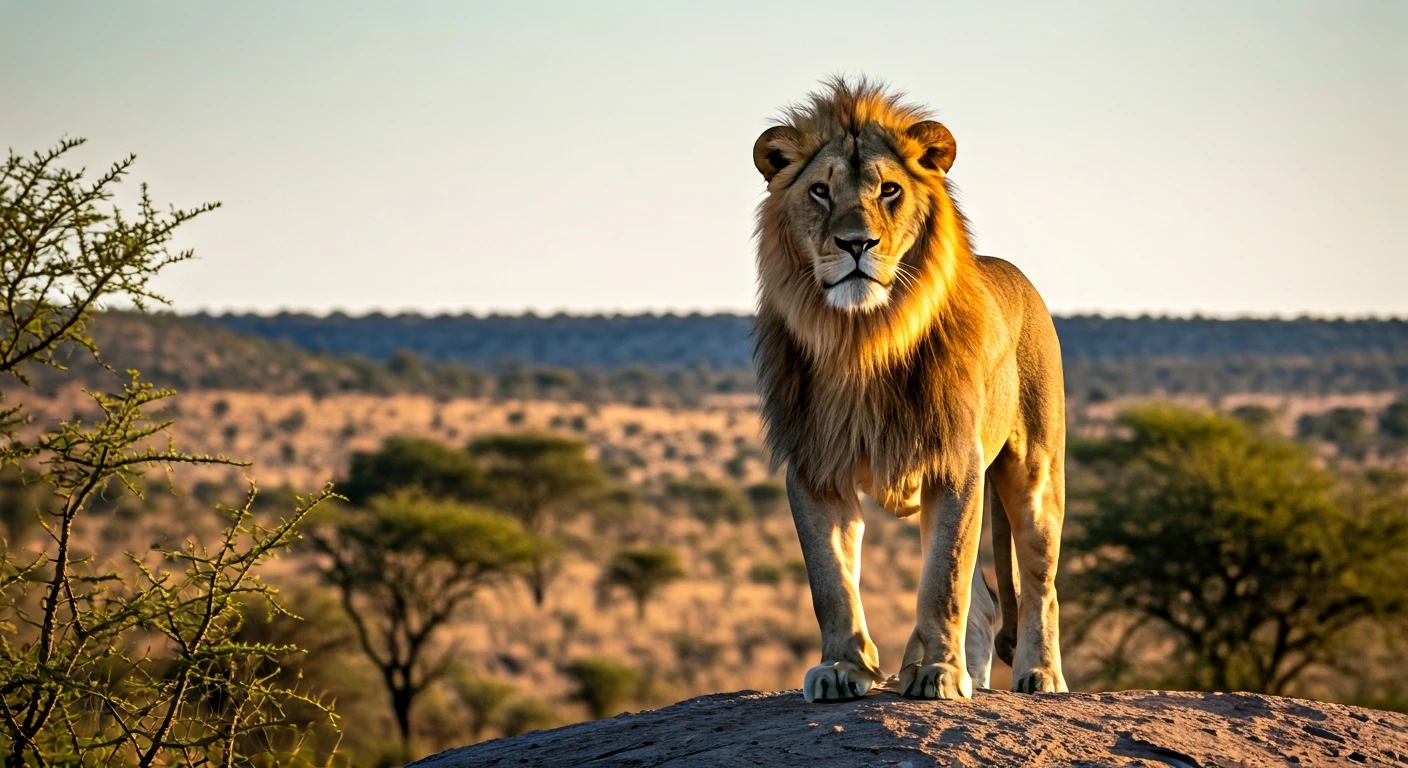
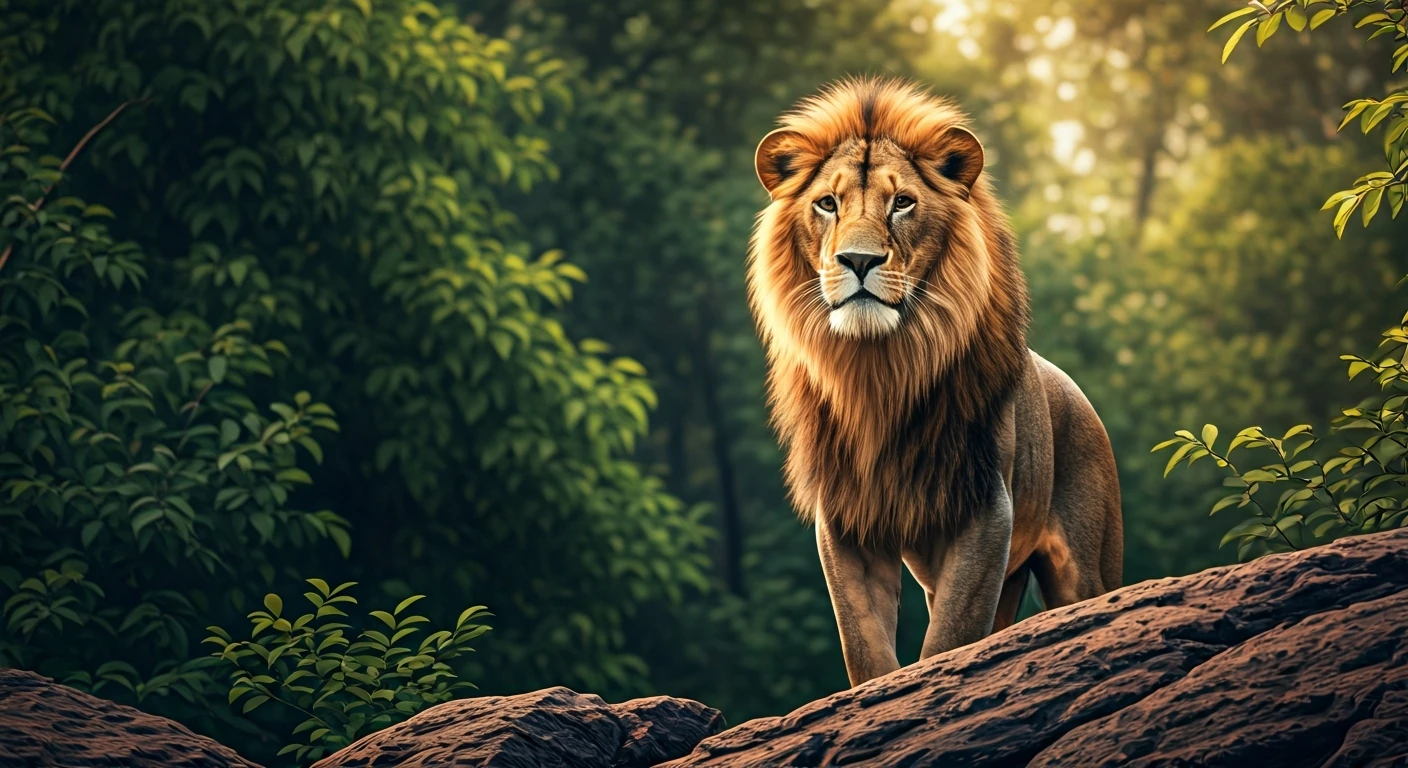
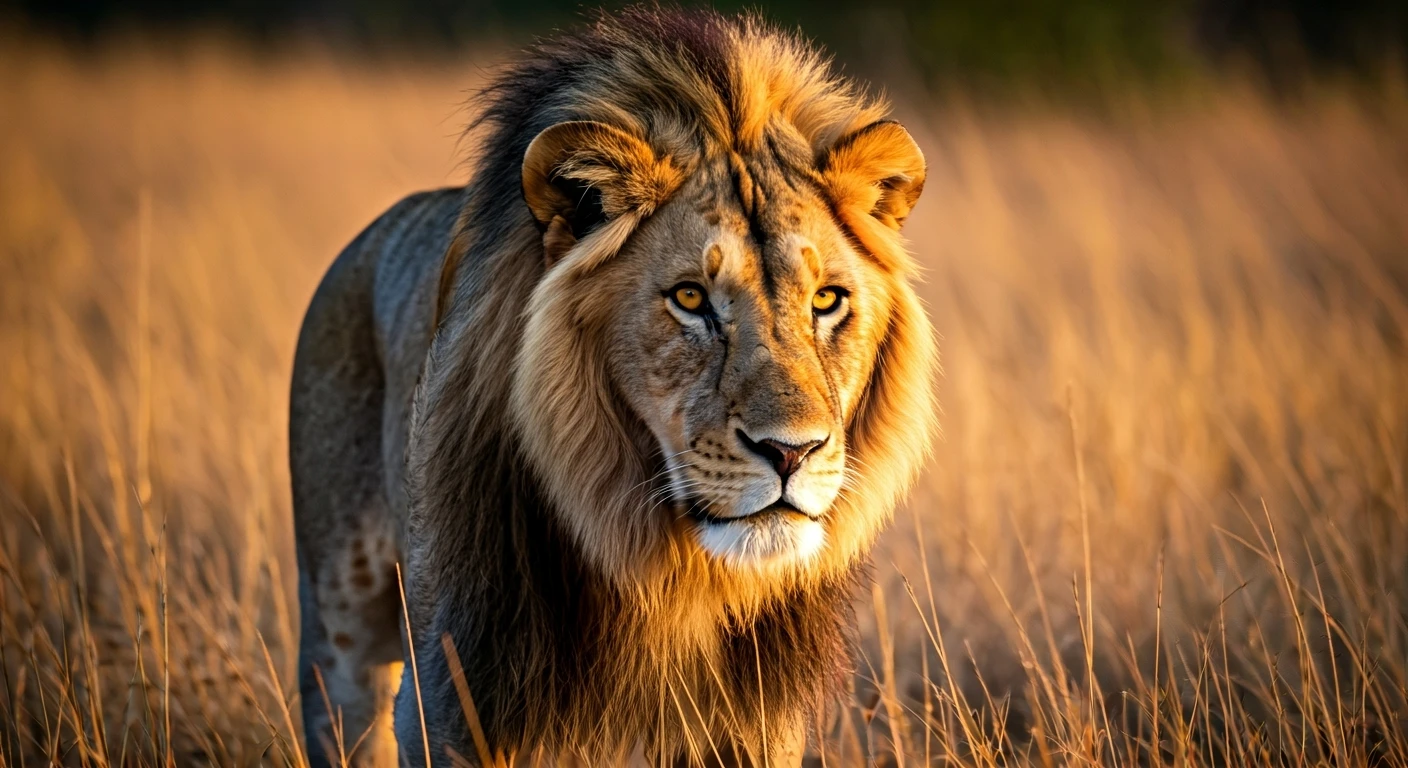
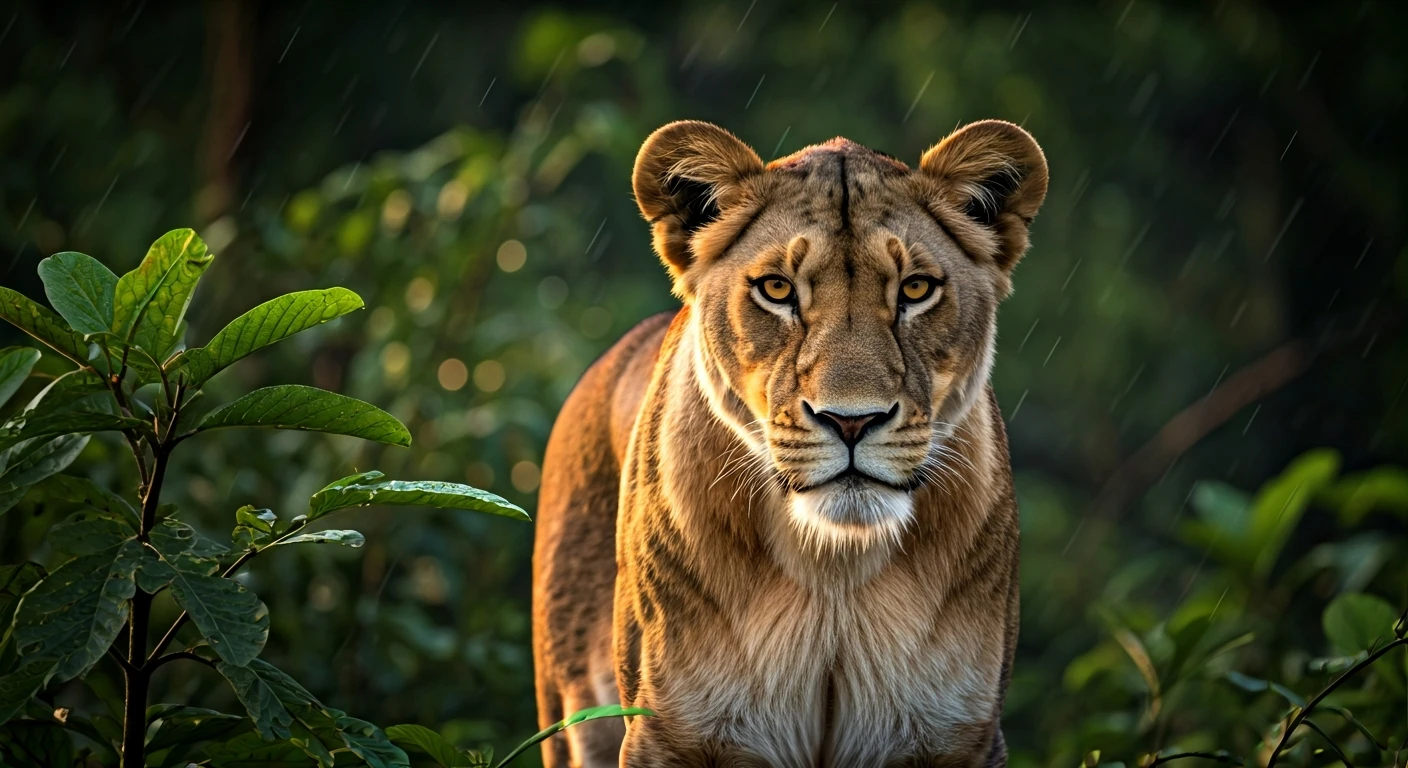
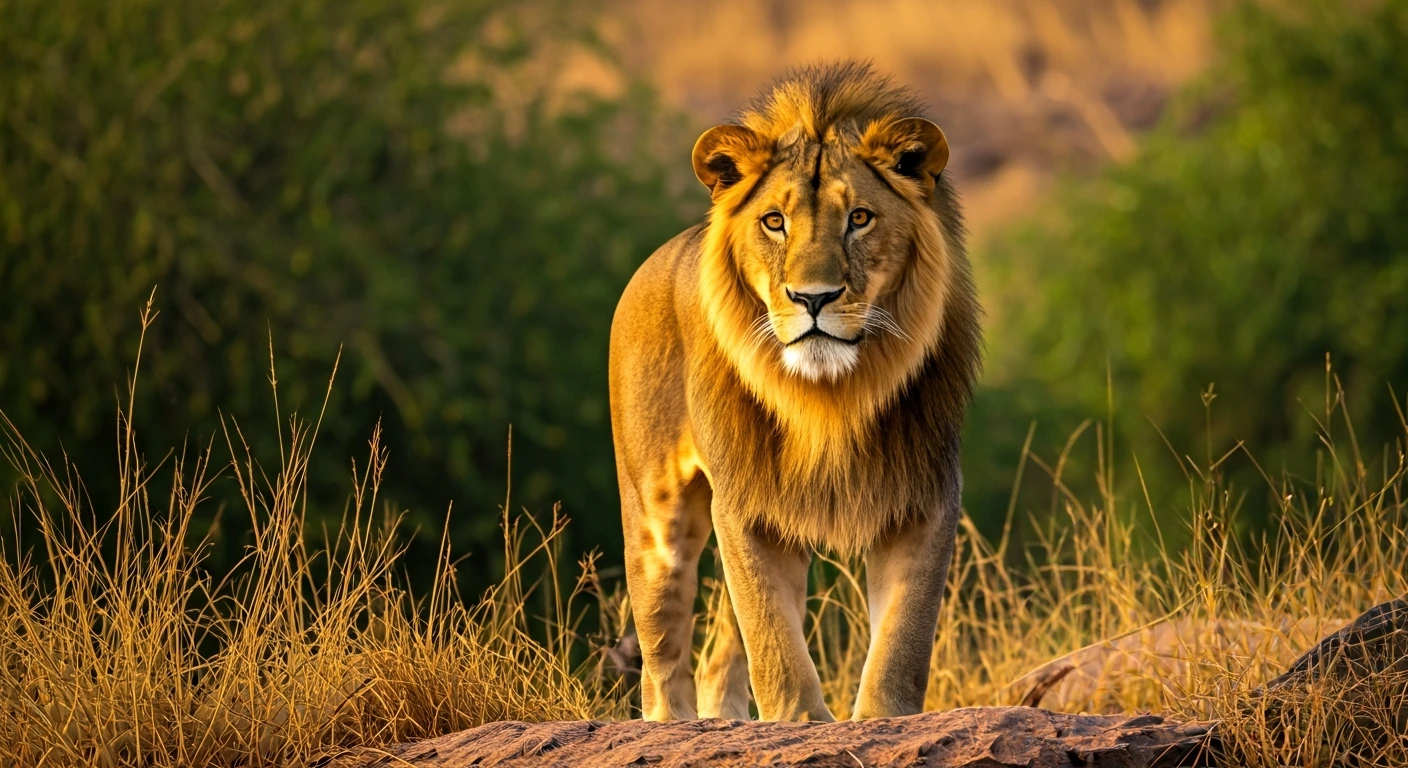
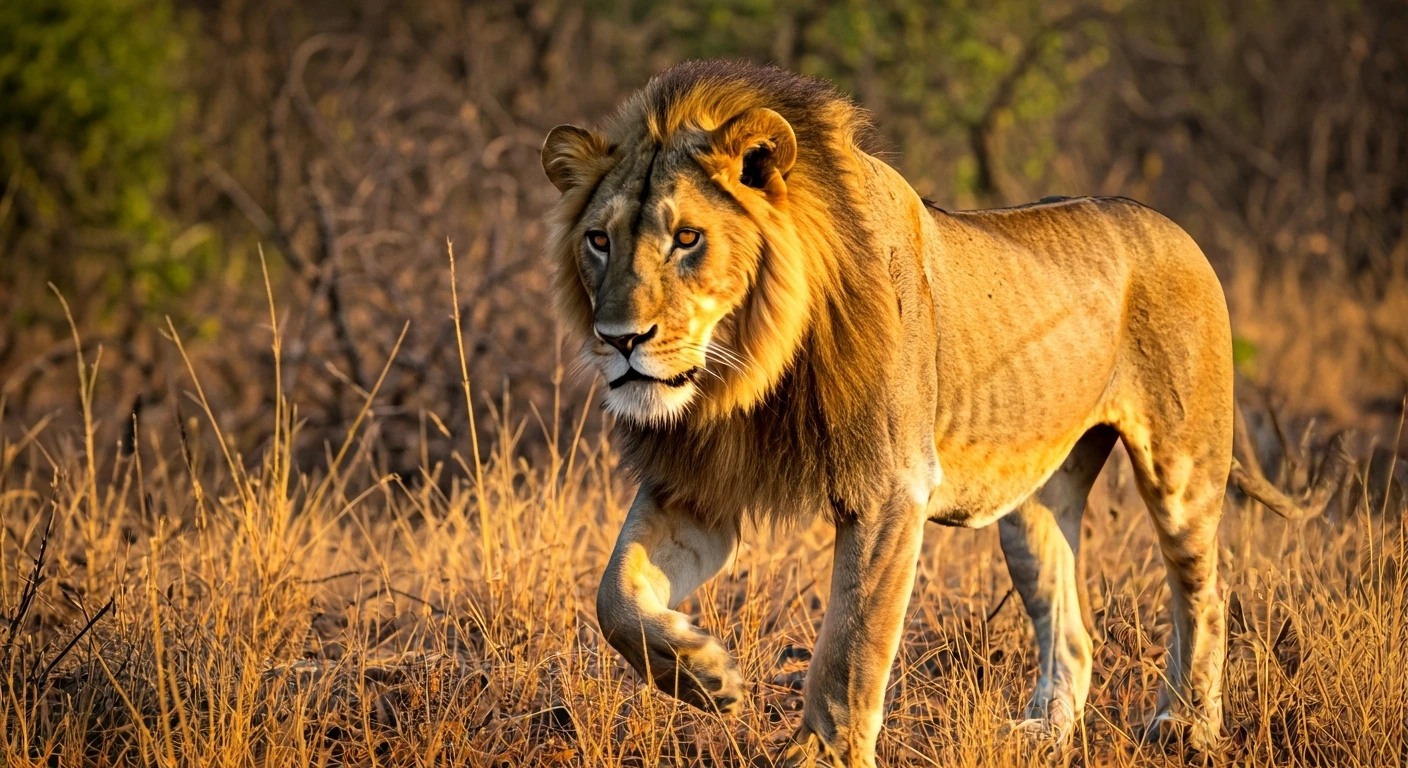
Gir National Park is more than just a wildlife sanctuary; it's a conservation miracle. It’s the only place on Earth where you can see the Asiatic lion, a species once on the brink of extinction, roaming freely. This distinction makes a safari here a bucket-list
item for wildlife lovers worldwide. However, this unique ecosystem operates on a strict natural calendar. The headline’s “last window” isn’t a permanent closure, but a critical annual deadline. Every year, as the heat of the Indian summer intensifies and gives way to the promise of rain, the park prepares for a temporary, and necessary, shutdown. For anyone dreaming of a safari this spring, that means the time to act is now.
Why the Gates Close: The Monsoon Shutdown
The park's safari routes will officially close to the public from June 16th and remain shut until October 15th. This isn't an arbitrary decision but one dictated by nature. The arrival of the Southwest Monsoon transforms the dry, dusty landscape into a lush, green wilderness. While beautiful, the heavy rains make the dirt tracks and trails used for safaris impassable and unsafe for vehicles. More importantly, the monsoon season is a crucial breeding period for much of Gir’s fauna, including its famous lions. Closing the park gives the animals a much-needed respite from human activity, allowing them to mate, give birth, and raise their young in peace. It’s a vital conservation measure that ensures the long-term health and stability of this fragile ecosystem.
Planning Your Last-Minute Safari
If you're aiming to squeeze in a visit before the mid-June closure, planning is everything. Spontaneity is not your friend here. Safari permits for Gir are exclusively booked online through the official government portal, and they sell out weeks, sometimes months, in advance. You'll need to provide ID details (like a passport for international visitors) for all members of your party when booking. There are two main safari experiences: the Gir Jungle Trail and the Devalia Safari Park (also known as the Gir Interpretation Zone). The Jungle Trail is the main event—a three-hour journey in an open-air jeep through the core park area. Devalia is a smaller, fenced-off enclosure that offers a more guaranteed, albeit less wild, sighting of lions and other animals. For the authentic experience, the main Jungle Trail is what you want. Be prepared for early morning starts; the 6 a.m. safari is often considered the best for spotting activity before the day's heat sets in.
Beyond the Majestic Lion
While the Asiatic lion is undoubtedly the star of the show, it's crucial to manage expectations and appreciate the park's wider biodiversity. A lion sighting is a matter of luck, and no guide can guarantee it. However, Gir is a thriving habitat for a host of other fascinating creatures. The park is home to a large population of leopards, which are notoriously elusive but occasionally spotted. You are almost certain to see sambar deer, spotted deer (chital), nilgai (blue bull), and wild boar. Gir is also a paradise for birdwatchers, with over 300 species recorded, including the crested serpent eagle and the endangered white-backed vulture. By appreciating the entire ecosystem, every moment of your safari becomes a rewarding experience, whether a lion makes an appearance or not.
When the Gates Reopen
If you miss this pre-monsoon window, don't despair. The park is scheduled to reopen to visitors on October 16th. The post-monsoon period offers a completely different, and equally magical, experience. The landscape is vibrant and green, the waterholes are full, and the air is fresh and clear. This is another prime time for wildlife viewing, and planning for an autumn or winter trip can be just as rewarding. You can use the summer downtime to research lodges, map out your travel, and be first in line when the online permit system reopens for the next season. The lions will still be there, waiting in their revitalized kingdom.