


Beyond the Morning Brew
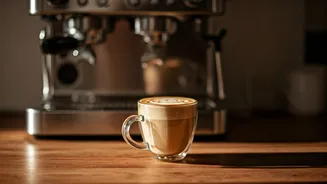
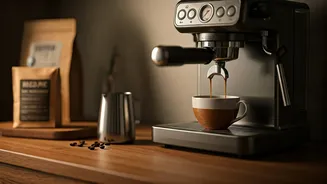
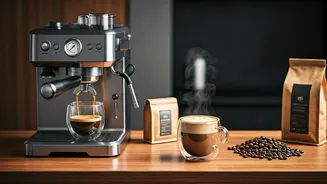
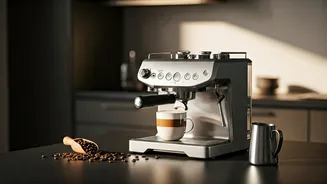
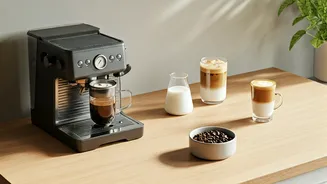
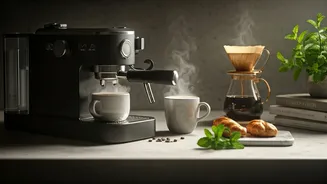
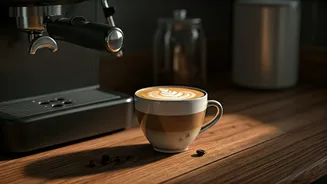
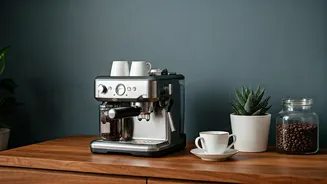
First, let’s be clear: the “home cafe” isn’t your parents’ drip coffee maker humming in the corner. This is a full-blown aesthetic and ritualistic experience. It’s a dedicated corner of a kitchen or apartment kitted out with an entry-level espresso machine,
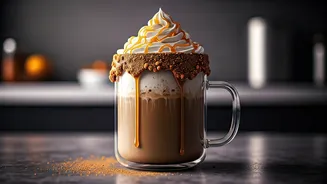
a handheld milk frother, a collection of flavored syrups (Monin and Torani are canon), and, most importantly, an arsenal of visually appealing glassware. Think ribbed glasses, beaker-like cups, and colorful glass straws. The trend, which exploded in the wake of the Dalgona coffee craze during pandemic lockdowns, has evolved from a quarantine novelty into a legitimate hobby and form of self-expression. The goal isn’t just to caffeinate; it’s to curate a perfect beverage moment, from start to finish, that feels like a small, attainable luxury.
The Aesthetics of Control
So why is this resonating so deeply with Gen Z? It’s about control and creativity in a world that often feels chaotic and uncertain. Crafting a beautiful drink is a small, manageable project with a satisfying, tangible result. In ten minutes, you can create something delightful and shareable. And the “sharing” part is key. On platforms like TikTok and Instagram, the #homecafe hashtag has amassed billions of views. The performance of making the drink—the slow-motion pour of espresso over ice, the hypnotic swirl of syrup into milk—is as much the point as the final product. It’s a form of content creation that turns a daily routine into a personal statement. It says, “I have my life together, at least for the three minutes it takes to make this coffee.” This curated corner of life offers a sense of order and beauty that the outside world doesn't always provide.
Bougie on a Budget
The economic angle is impossible to ignore. With specialty coffee drinks regularly soaring past the $7 or $8 mark, a daily cafe habit is a significant expense. The home cafe movement presents itself as a financially savvy alternative that doesn’t sacrifice the “treat yourself” feeling. While a decent espresso machine can cost over $100, and a collection of syrups and sauces adds up, proponents frame it as an investment. A $20 bottle of caramel sauce might seem like a splurge, but it yields dozens of lattes, bringing the per-drink cost down to a fraction of a Starbucks run. It’s the perfect Gen Z financial hack: achieving a high-end aesthetic and experience for a low-end price. This isn't about deprivation; it's about resourcefulness. It’s about getting the bougie lifestyle without the bougie bank account.
The New Third Place Is Home
For decades, sociologists have talked about the “third place”—a location outside of home (the first place) and work (the second) where people build community. Traditionally, this was the coffee shop, the bar, or the public square. The home cafe trend suggests a fascinating evolution of this concept. For many younger people, the third place is no longer a physical location but a digital one. The community isn't found by sitting in a bustling Starbucks; it’s found by sharing your drink creation online and engaging with a global community of fellow home baristas. They swap recipes for the latest viral drink, recommend new syrup flavors, and review affordable gadgets. The home itself becomes the backdrop for this social connection, transforming a private space into a hub for a shared digital culture.