


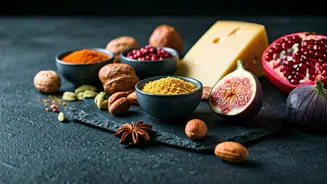


The Spark: Spices, Sugar, and Scrutiny
The tipping point arrived not with a single bang, but a series of alarming reports. In April 2024, Hong Kong and Singapore suspended sales of several spice blends from iconic Indian brands MDH and Everest, citing the presence of ethylene oxide, a pesticide
classified as a carcinogen. For millions in India and in the diaspora, these brands aren’t just products; they’re a fixture of home cooking, as common as salt and pepper. The news sent shockwaves through the market. This followed another high-profile incident where a social media influencer’s viral video exposed the high sugar content in Cadbury’s Bournvita, a popular malted drink mix marketed to children as a health supplement. The public outcry forced the company to reformulate its product and highlighted the power of a single, digitally-amplified voice. These events weren’t isolated recalls; they became symbols of a widening gap between what consumers expect and what some major companies were delivering.
More Than Just a Few Bad Batches
This isn't simply a story about corporate missteps. It's about the rise of a new Indian consumer. With growing incomes, widespread internet access, and a vocal, digitally-savvy younger generation, patience for the old way of doing business has worn thin. For decades, the vast, fragmented nature of India's food production made consistent quality control a monumental challenge. Consumers often relied on brand loyalty and familiarity. But today, information travels instantly on WhatsApp and Instagram. A food blogger’s lab test or a government alert from another country can trigger a nationwide conversation overnight. This newfound power has transformed passive buyers into active watchdogs. They are demanding to know what’s in their food, questioning marketing claims, and holding both companies and regulators accountable in a public forum. The “food safety wave” is, at its core, a consumer rights movement fueled by technology.
The Watchdog Shows Its Teeth
In response to the mounting public pressure, India’s primary food regulator, the Food Safety and Standards Authority of India (FSSAI), has been pushed into action. The agency launched nationwide quality-check drives on all spice manufacturers and promised more stringent enforcement across the board. While the FSSAI has existed since 2006, it has often been criticized as under-resourced and slow to act. This new wave of public scrutiny is serving as a catalyst, forcing the regulator to become more proactive. The government understands that the “Made in India” brand is at stake on the global stage. If its food exports are seen as unsafe, the economic consequences could be severe. The result is a tightening of the entire ecosystem, from raw material sourcing and processing to packaging and labeling, as companies scramble to meet both domestic demands and increasingly strict international standards.
What This Means for Your Pantry
For American consumers, this distant movement has direct implications. Indian grocery stores across the U.S. stock their shelves with MDH spices, Maggi noodles, and countless other snacks and ingredients central to South Asian cuisine. While the U.S. Food and Drug Administration (FDA) has its own import screening process, the heightened scrutiny from other countries and within India itself provides an additional layer of quality control. The pressure is forcing global food giants and Indian exporters alike to clean up their supply chains. The ultimate outcome for consumers everywhere is likely to be positive: greater transparency, more accurate labeling, and safer products. The next time you reach for a packet of masala or a quick-fix noodle cup, its contents are more likely to have been vetted not just by a lab, but by millions of watchful consumers demanding better.