

Beyond the Butter Chicken
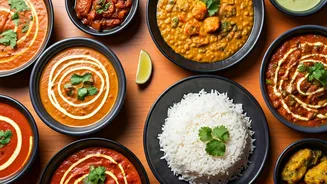
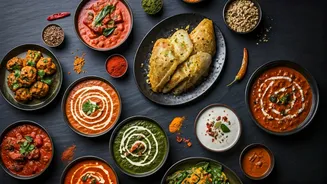
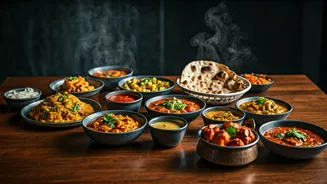
For many Americans, “Indian food” conjures a specific, delicious, but narrow image: rich, creamy curries like butter chicken or tikka masala, a mountain of basmati rice, and a fluffy pillow of naan. While this North Indian, restaurant-style fare is undeniably
comforting, equating it with the entirety of Indian cuisine is like saying American food is just hamburgers and fries. India is a subcontinent, a vast tapestry of cultures, languages, and climates, each with its own distinct culinary philosophy. From the coconut-laced seafood dishes of coastal Kerala to the millet-based breads of arid Rajasthan, the real story of Indian food is one of staggering diversity. And it’s within this regionality—this hyper-local, time-tested way of eating—that India makes its most compelling argument for wellness.
The Logic of the 'Thali'
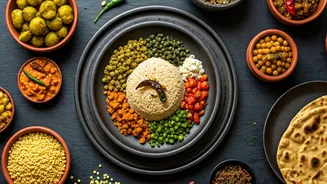
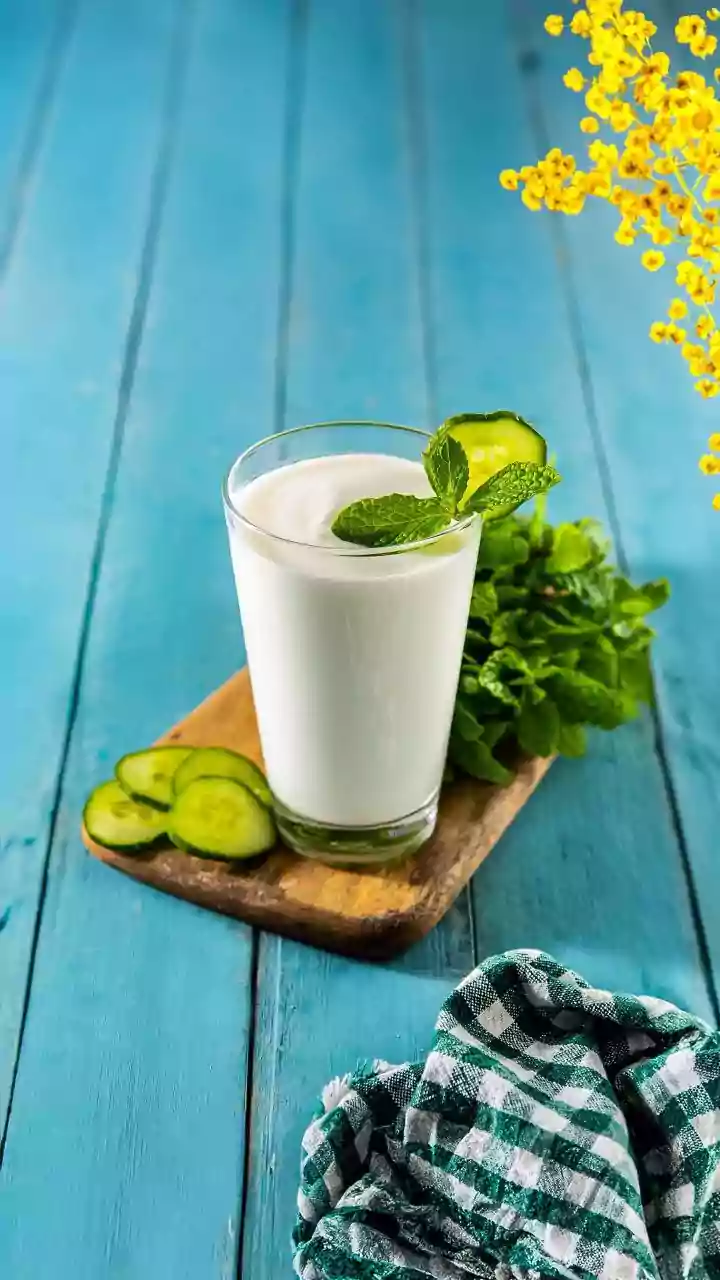
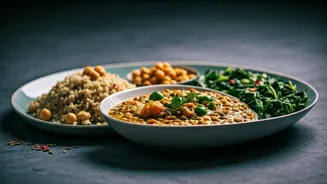
The secret isn’t a single “superfood” but a system of balance. This is best visualized by the thali, the round platter featuring a small assortment of different dishes. A typical thali isn’t just a random buffet; it’s a masterclass in nutritional architecture. You’ll find a source of protein (lentils or legumes), seasonal vegetables, a grain (rice or flatbread), a bit of pickle for fermentation, and perhaps some yogurt for probiotics. This approach is rooted in Ayurveda, the ancient Indian system of medicine, which emphasizes the inclusion of six tastes—sweet, sour, salty, bitter, pungent, and astringent—in every meal. The goal is satiety and satisfaction, not just caloric intake. A balanced meal calms cravings and aids digestion, preventing the post-meal slump that often follows a heavy, one-note dish.
A Focus on Digestion, Not Restriction
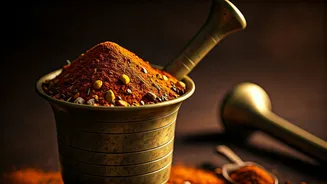
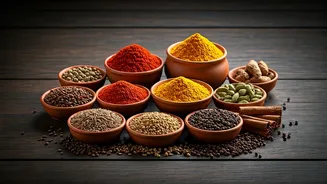
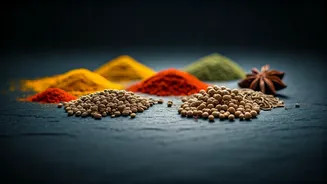
Modern wellness is often obsessed with what to cut out. Indian home cooking, by contrast, is obsessed with what makes food more digestible. Spices are not just for flavor; they are functional. Turmeric is a powerful anti-inflammatory. Ginger and black pepper are digestive aids. Asafoetida (hing) is added to lentil dishes to reduce gas and bloating. Cumin and coriander help the body absorb nutrients. This is kitchen-as-pharmacy, a gentle and consistent approach to gut health. Fermentation also plays a starring role. The light, airy idlis (steamed rice cakes) and crisp dosas (savory crepes) of South India are made from a fermented batter of rice and lentils, making them easy to digest and rich in probiotics. It’s a gut-friendly philosophy that predates the kombucha craze by centuries.
Eating with the Seasons and the Land
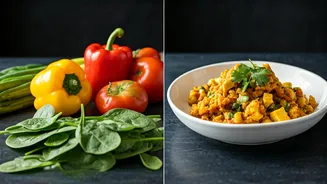
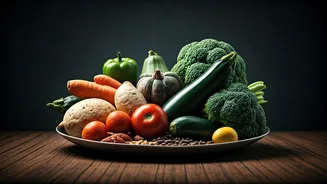
The concept of eating local and seasonal isn’t a trendy hashtag in regional India; it’s the default setting. A winter meal in Punjab is rich with mustard greens (sarson ka saag) and hearty corn flatbreads (makki di roti) because that’s what the land provides. A summer meal in Bengal is light, featuring gourds and leafy greens to combat the heat. This intuitive way of eating ensures peak nutritional value from ingredients and keeps the body in sync with its environment. It’s the antithesis of the globalized wellness market, which encourages us to eat Chilean blueberries in December. Regional Indian food reminds us that the most potent wellness ingredients are often the ones growing right in our own climate, not the exotic powders shipped from halfway around the world.