


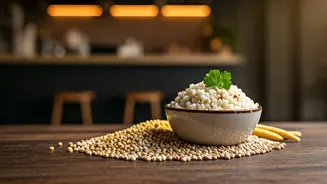

The Protein Picture Gets Bigger
For decades, the pursuit of protein was a straightforward, if somewhat bland, affair. Bodybuilders and fitness enthusiasts built their diets around a narrow rotation of animal sources, prizing lean meats and dairy for their high protein content. The message
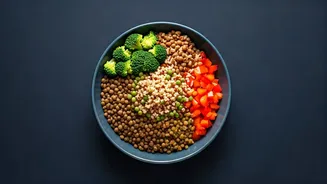
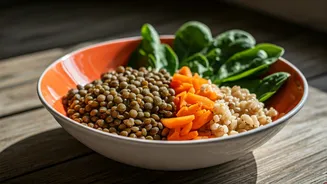
was clear: protein builds muscle, and animal products were the most efficient way to get it. But a quiet revolution has been simmering, and it's starting to boil over. The modern, health-conscious consumer—a group that very much includes 'protein-obsessed foodies'—is no longer satisfied with just hitting a macro target. They want flavor, texture, sustainability, and gut health, too. This expanded view of wellness has opened the door for a previously overlooked category to take center stage. Suddenly, the humble legume family—beans, lentils, chickpeas, and peas—is getting the gourmet treatment it has long deserved.
Not Your Grandma's Canned Beans
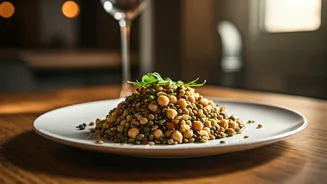
Let’s be honest: for many Americans, the word 'bean' used to conjure images of a sad, watery can of kidney beans or a gloopy serving of refried beans from a combo platter. That perception is changing, fast. A major driver of the legume's glow-up is the rise of heirloom and artisanal varieties. Companies like Rancho Gordo have cultivated a cult following by offering beans with unique names, colors, and flavor profiles—from the creamy, thin-skinned 'Cassoulet' bean to the rich, chocolaty 'Black Turtle' bean. These aren't just commodities; they're celebrated ingredients. Chefs at top restaurants are now proudly featuring slow-cooked gigante beans as a main course and using rich lentil ragu instead of its meat-based cousin. This culinary elevation has a powerful trickle-down effect. When foodies see a simple ingredient treated with respect by a chef they admire, they’re inspired to bring that same curiosity into their own kitchens.
The Undisputed Nutritional Powerhouse
While flavor and foodie credibility are pulling legumes into the spotlight, their unimpeachable nutritional profile is what keeps them there. For the protein-obsessed, they deliver. A single cup of cooked lentils packs about 18 grams of protein, while chickpeas and black beans are close behind. But the story doesn't end there. Unlike animal protein, legumes come with a massive bonus: fiber. The average American gets less than half the recommended daily fiber, which is crucial for digestive health, blood sugar regulation, and feeling full. Legumes are one of the most fiber-dense foods on the planet. This combination of protein and fiber makes them incredibly satiating, preventing the energy crashes and cravings that can follow a less balanced meal. They are also loaded with essential micronutrients like iron, magnesium, and folate, making them a true nutritional workhorse.
Good for Your Wallet and the Planet
The appeal of legumes extends far beyond the plate. In an era of rising food costs, they remain one of the most budget-friendly sources of high-quality nutrition available. A pound of dry lentils can provide the foundation for multiple meals for the same price as a small serving of meat. This economic advantage makes incorporating more plant-based protein a practical choice, not just an idealistic one. Furthermore, the environmental argument is undeniable. Growing legumes is far more sustainable than raising livestock. They require significantly less water and land, and many varieties even enrich the soil they grow in by 'fixing' nitrogen, reducing the need for chemical fertilizers. For a generation of consumers who increasingly make purchasing decisions based on their values, this combination of affordability and eco-friendliness is a powerful motivator. It turns a simple meal of beans and rice from a budget option into a conscious, responsible, and delicious choice.