





Beyond the Gadget
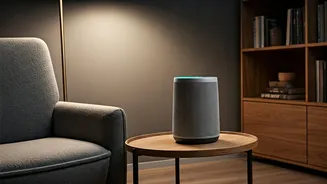
First, let's be clear: “smart comfort” isn't just about having a speaker that can tell you the weather or a fridge that knows you’re out of milk. It’s about the thoughtful integration of technology to create an environment that is responsive, intuitive,
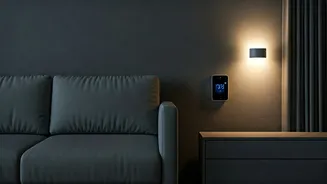
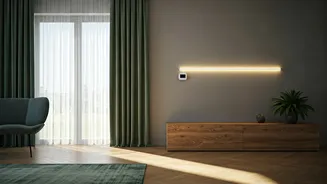
and, above all, restorative. It’s the difference between a house full of gadgets and a home that functions like a seamless ecosystem. Think of it as the invisible hand that pre-cools the bedroom before you head to sleep, adjusts the living room lights for movie night without you touching a switch, and starts a relaxing playlist the moment you walk in the door after a stressful day. The goal isn't the technology itself, but the feeling it creates: a sense of frictionless living, where your personal space actively works to reduce your stress and cognitive load.
The Rise of the High-Tech Sanctuary
So, why is this happening now? The seeds were planted long ago, but the pandemic acted as a powerful accelerant. As millions of Americans turned their homes into offices, schools, and gyms overnight, the demand for a more functional and pleasant living space skyrocketed. Our homes were no longer just a place to crash after a long day; they became the entire world. This intense focus on our domestic environment led to a reevaluation. We started craving a sanctuary—a buffer against the uncertainties of the outside world. Smart comfort provides a modern answer to this ancient need. It offers a sense of control and predictability when everything else feels chaotic. By automating the mundane, it frees up mental and emotional bandwidth, allowing us to focus on work, family, or simply recharging.
The New Ecosystem of Ease
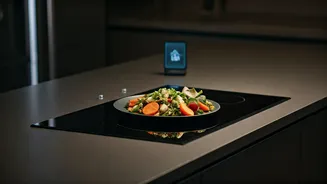
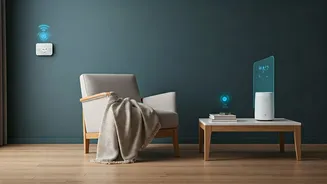
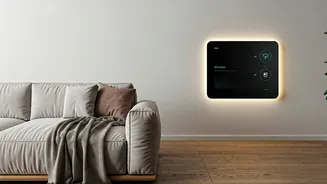
The components of this new normal are becoming increasingly common. It starts with foundational elements like smart thermostats (Google Nest, Ecobee) and intelligent lighting (Philips Hue), which learn your patterns to save energy and set moods. But the ecosystem is expanding rapidly. We now have smart beds (Eight Sleep) that track sleep quality and adjust temperature for optimal rest. There are robot vacuums that not only clean but also empty themselves, and smart blinds that open with the sunrise to help you wake up naturally. The magic happens when these devices start talking to each other. Your “good morning” routine can trigger the blinds to open, the thermostat to warm up, the coffee maker to start brewing, and your favorite news podcast to begin playing. It’s a symphony of convenience, conducted by you.
The Price of Frictionless Living
Of course, this perfectly curated comfort doesn't come without a catch. The most obvious trade-offs are cost and privacy. Outfitting a home with a fully integrated smart system can be a significant investment, creating a new kind of digital divide. More importantly, every smart device is a sensor, collecting data on our habits, routines, and even our conversations. Handing over the keys to our domestic lives to corporations requires a high degree of trust—and a close reading of the terms and conditions. Furthermore, the promise of a “seamless” experience can quickly turn into a headache of incompatible platforms, dropped Wi-Fi connections, and software updates that break a previously perfect routine. The nirvana of a home that runs itself is still a work in progress, and sometimes the smartest thing is still a simple, reliable off switch.